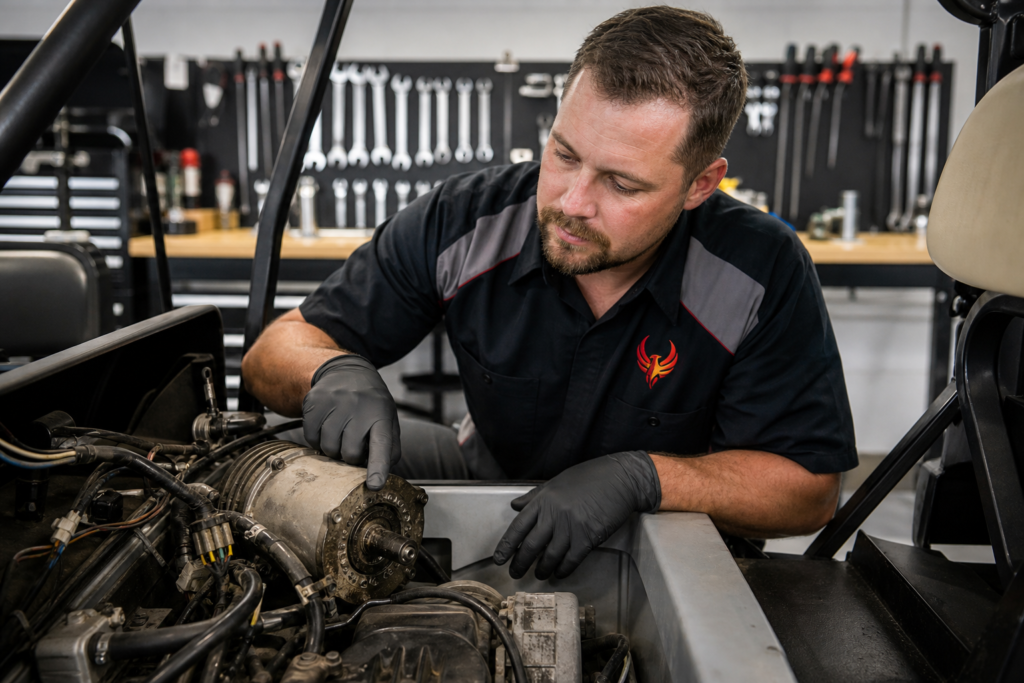
Your golf cart is more than just a vehicle; it is your reliable companion for traveling the greens, cruising the neighborhood, or managing tasks around your property. But what happens when its performance starts to falter? A failing engine can quickly turn your enjoyable ride into a frustrating experience. Recognizing the signs your golf cart engine needs a Golf Cart Engine Rebuild can save you significant time and expense, ensuring your investment continues to perform reliably. This guide will reveal 7 essential indicators that signal it is time for professional attention, offering expert solutions right here in South Florida.
Key Takeaways
- Identify 7 critical signs, such as excessive smoke or power loss, that indicate your golf cart engine requires a rebuild.
- Understand the comprehensive process of a Golf Cart Engine Rebuild, including inspection, component replacement, and performance restoration.
- Learn why addressing engine issues promptly can prevent further damage and extend your golf cart’s lifespan.
- Discover how Phoenix Golf Car in Pompano Beach, FL, provides specialized expertise for both gasoline and electric golf cart services.
- Recognize the importance of professional diagnostics to accurately determine if a rebuild or another repair is the best solution.
- Explore the benefits of choosing a local, authorized dealer like Phoenix Golf Car for reliable and warrantied engine services.
- Gain insight into how a rebuilt engine can restore your golf cart’s original power, efficiency, and smooth operation.
What a Golf Cart Engine Rebuild Involves (and Why it Matters)
An engine overhaul is a comprehensive process designed to restore your engine to its original factory specifications, or even better. It is far more than a simple repair; it involves disassembling the engine, inspecting every critical component, and replacing worn or damaged parts. This meticulous approach ensures that issues like poor compression, excessive oil consumption, or power loss are thoroughly addressed at their root.
For gasoline golf carts, a rebuild often includes new piston rings, connecting rod bearings, main bearings, crankshaft seals, and a complete gasket set. Sometimes, new pistons, cylinder sleeves, or valve components are also necessary. This process revitalizes the engine, extending its lifespan and restoring optimal performance and fuel efficiency. Choosing a rebuild can often be a more cost-effective solution than purchasing a brand-new engine, especially for well-maintained golf cart chassis.
At Phoenix Golf Car in Pompano Beach, FL, our certified technicians specialize in complete vehicle rebuilds for all major golf cart brands. We understand the unique demands placed on golf cart engines in the South Florida climate, from humidity to frequent use. Our expert team ensures every rebuild meets stringent quality standards, providing you with a reliable and powerful engine that is ready for the road or the course.
Restore Your Golf Cart’s Power with Expert Engine Service
Don’t let a failing engine keep you off the course. Phoenix Golf Car provides comprehensive golf cart engine rebuilds, performed by certified technicians right here in Pompano Beach.
Sign #1: Excessive Smoke – Understanding the Color and Cause
One of the most visible and concerning signs that your golf cart engine needs an engine overhaul is excessive smoke emanating from the exhaust. The color of the smoke can provide crucial clues about the underlying problem. Ignoring persistent smoke can lead to further engine damage and potentially higher repair costs down the line.
* Blue Smoke: This typically indicates that your engine is burning oil. Worn piston rings, valve guides, or valve seals are common culprits, allowing oil to leak into the combustion chamber. This reduces lubrication, increases emissions, and can lead to carbon buildup.
* White Smoke: While a small amount of white vapor on a cold start is normal, persistent, thick white smoke often points to coolant entering the combustion chamber. This could be due to a cracked cylinder head or a blown head gasket, which are serious issues requiring immediate attention.
* Black Smoke: Black smoke usually signifies an overly rich fuel mixture, meaning too much fuel is being burned or not enough air is getting into the engine. This can be caused by a dirty air filter, a faulty carburetor, or issues with the fuel system. While not always indicative of a rebuild, it can contribute to premature wear.
At Phoenix Golf Car, our technicians perform thorough diagnostic tests to pinpoint the exact cause of smoke. We use specialized tools to check compression and inspect internal components, ensuring we accurately diagnose whether a simple adjustment is needed or if a full engine overhaul is required. We have seen countless golf carts in Pompano Beach with these issues and know how to resolve them efficiently.
Sign #2: Significant Power Loss and Poor Acceleration
If your golf cart struggles to climb hills, accelerates sluggishly, or simply feels less responsive than it once did, it is a strong indicator of internal engine wear. This noticeable reduction in power and acceleration often signals that your engine is no longer producing adequate compression. Without proper compression, the engine cannot efficiently convert fuel into power, leading to a frustratingly weak performance.
Common causes of power loss include worn piston rings, cylinder walls, or valves that are not sealing correctly. These components are vital for maintaining the high-pressure environment needed for efficient combustion. When they degrade, the engine effectively “leaks” power, making even flat terrain feel like an uphill battle. You might also notice that your golf cart struggles to maintain speed, especially when carrying passengers or cargo.
Our team at Phoenix Golf Car regularly services golf carts experiencing these symptoms across South Florida. We utilize advanced diagnostic equipment to measure engine compression and identify any discrepancies. For example, a healthy golf cart engine should typically show compression readings above 120-130 PSI per cylinder. If your readings are significantly lower, an engine overhaul is likely the recommended solution to restore lost horsepower and torque.
Sign #3: Unexplained Oil Leaks or High Oil Consumption
Keeping an eye on your golf cart’s oil levels is crucial for engine health. If you frequently find yourself adding oil between changes, or if you notice puddles of oil beneath your parked cart, these are clear warnings. Unexplained oil leaks and unusually high oil consumption are classic signs that internal engine seals, gaskets, or components are failing, making an engine overhaul a strong possibility.
Oil leaks can stem from various points, including the crankshaft seals, valve cover gaskets, or the oil pan gasket. While some minor leaks can be addressed with targeted repairs, widespread leakage often suggests that multiple seals are hardened or cracked due to age and heat. High oil consumption without visible leaks usually points to internal issues like worn piston rings or valve guides, where oil is being burned in the combustion chamber (as indicated by blue smoke).
Ignoring these issues can lead to severe engine damage due to insufficient lubrication. A golf cart engine running low on oil will experience increased friction and heat, accelerating wear on critical moving parts like the crankshaft and connecting rods. At Phoenix Golf Car, we meticulously inspect for all sources of oil loss. We recommend a comprehensive inspection if you are adding more than half a quart of oil every 100-200 hours of operation, as this often indicates a deeper internal problem requiring an engine overhaul.
Sign #4: Unusual Engine Noises: Knocks, Taps, and Grinds
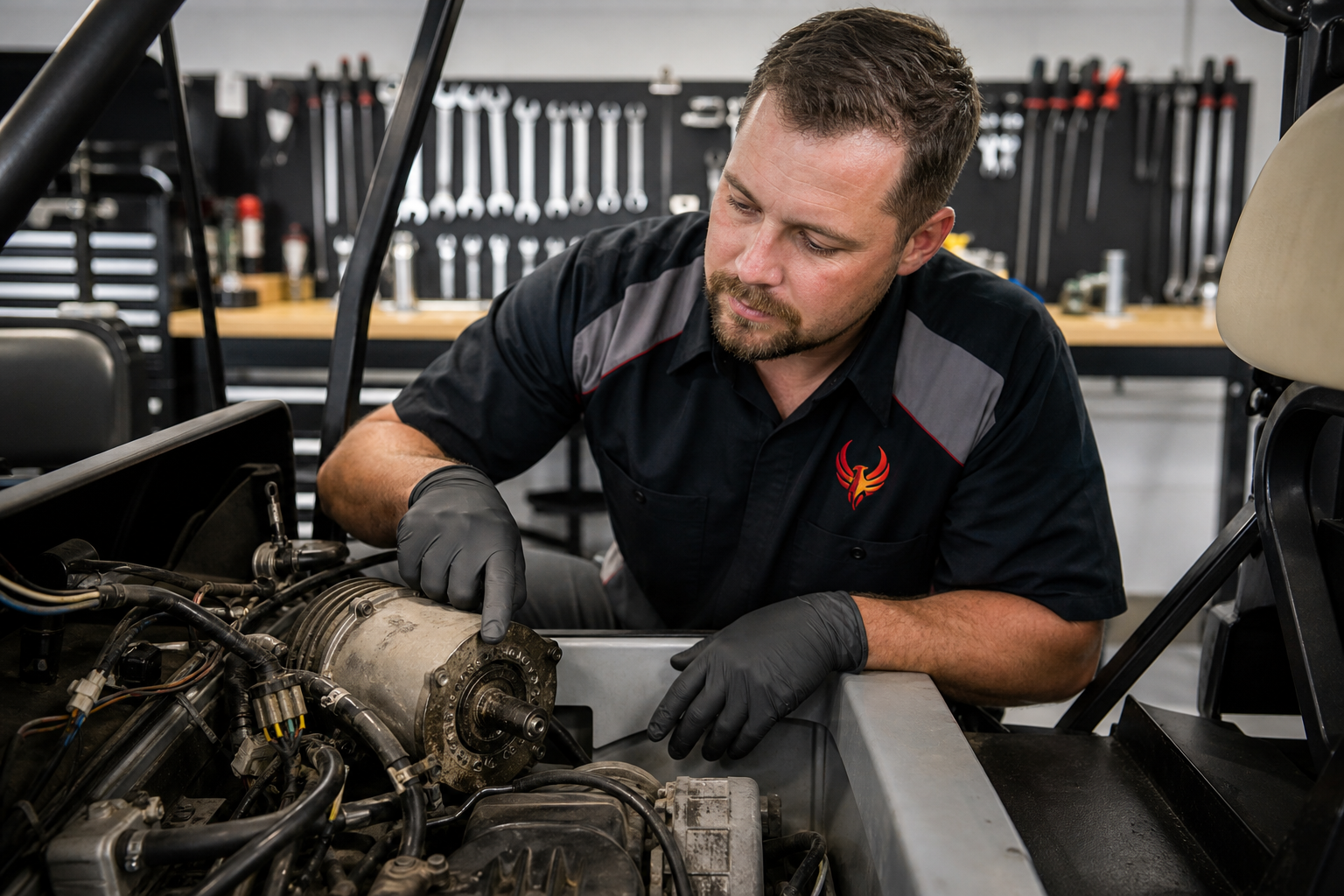
Your golf cart engine should operate with a relatively smooth and consistent hum. Any new or unusual sounds—such as persistent knocking, tapping, grinding, or clunking—are serious red flags that demand immediate investigation. These noises often indicate excessive wear or damage to critical internal components, suggesting that an engine overhaul may be necessary to prevent catastrophic failure.
* Knocking or Pinging: A deep knocking sound, especially under acceleration, can signify issues with connecting rod bearings or main bearings. These bearings cushion the movement of the crankshaft and connecting rods; when worn, they create metal-on-metal contact.
* Tapping or Clicking: A lighter, rhythmic tapping sound might point to worn valve lifters, rocker arms, or camshaft lobes. These components control valve operation, and excessive clearance due to wear can create noticeable noise.
* Grinding or Whining: While less common for internal engine issues, a grinding noise could indicate problems with the starter, alternator, or other accessory components that are putting strain on the engine. However, if it’s coming from deep within the engine, it could signal severe internal damage.
Our experienced technicians at Phoenix Golf Car have years of experience diagnosing engine noises. We use specialized stethoscopes and our keen ears to pinpoint the source of these sounds, differentiating between minor issues and those requiring a full engine overhaul. Addressing these noises early can prevent a small problem from turning into a complete engine replacement, saving you money and downtime.
Sign #5: Difficulty Starting and Frequent Stalling Issues
A golf cart that consistently struggles to start or frequently stalls during operation is not just inconvenient; it is a clear sign of underlying engine problems. These issues can range from minor fuel system clogs to more severe internal engine wear, often pointing towards the need for an engine overhaul if other solutions fail. A reliable start and consistent idle are fundamental to a healthy engine.
Difficulty starting can be attributed to several factors, including a weak spark, insufficient fuel delivery, or, crucially, low compression. If the engine cannot build enough compression, it will struggle to ignite the fuel-air mixture effectively. Similarly, frequent stalling can occur if the engine’s internal components are so worn that it cannot maintain a stable idle speed or deliver consistent power. This is particularly common in older engines where wear has accumulated over many hours of use.
At Phoenix Golf Car, we approach starting and stalling issues systematically. We first check the basics: spark plugs, fuel filter, carburetor, and battery. If these components are in good order, we then conduct compression testing and a thorough internal engine inspection. For example, a golf cart engine that consistently requires multiple attempts to start, even after routine maintenance, often indicates significant internal wear that a rebuild can effectively resolve. We ensure your golf cart is ready for reliable use across Pompano Beach and beyond.
Phoenix Golf Car: Your Trusted Partner for Golf Cart Engine Rebuilds in South Florida
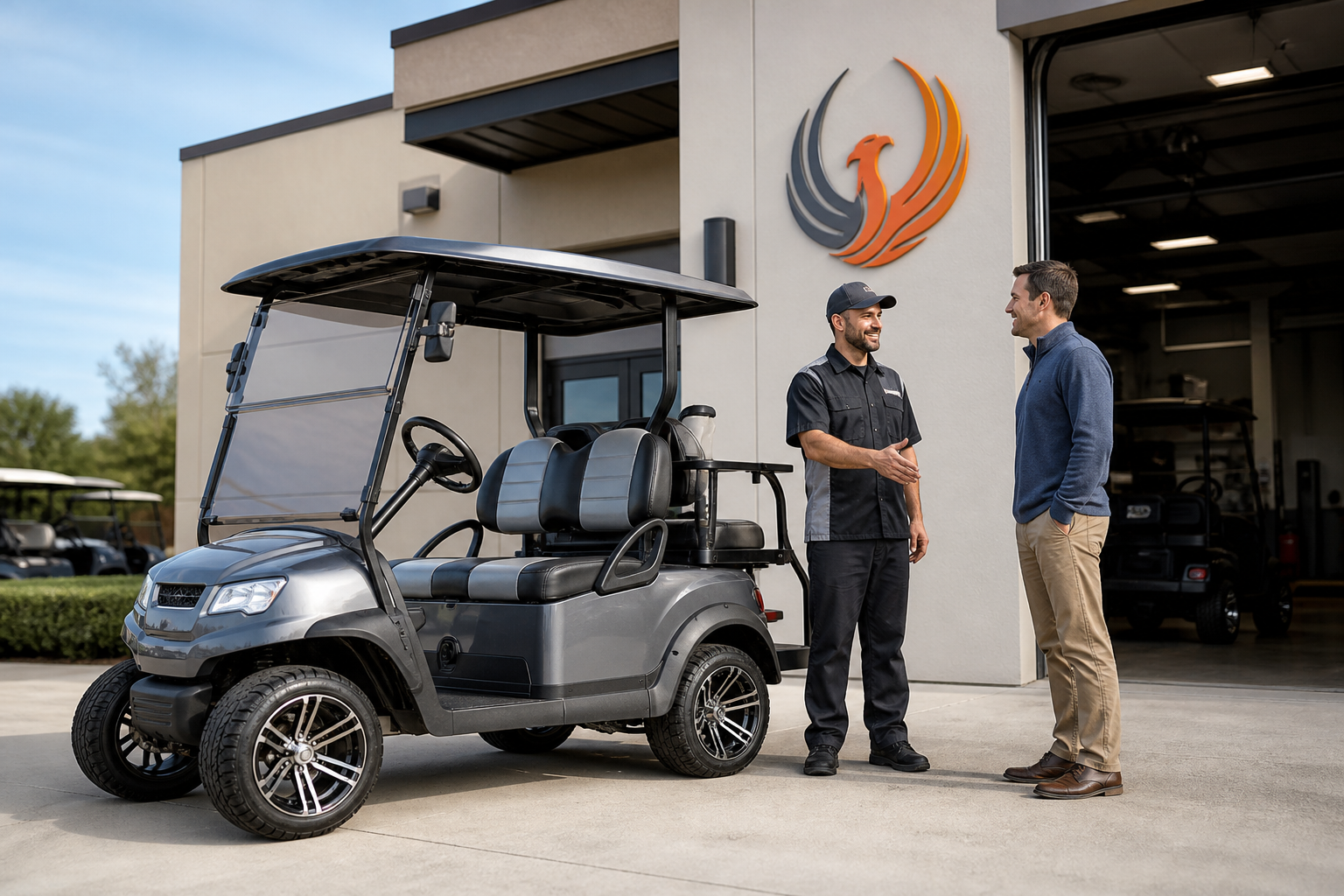
When your golf cart exhibits any of these 7 essential signs, choosing the right service provider for an engine overhaul is paramount. At Phoenix Golf Car, we pride ourselves on being South Florida’s premier destination for comprehensive golf cart solutions. Located conveniently in Pompano Beach, we offer expert engine rebuilds for all major gasoline golf cart brands, ensuring your vehicle receives the highest quality care and attention.
Our commitment to excellence extends beyond just engine work. We are an authorized Madjax dealer, offering a wide range of new and customized golf carts, including X-Series, E-Series, 2-seaters, 4-seaters, 6-passenger limos, and utility carts. Whether you need routine maintenance, professional lithium conversions, or luxury upgrades, our certified technicians have the expertise to meet your needs. We believe in helping our customers transition to green energy through electric mobility, but we also ensure our gasoline cart owners receive top-tier service.
We understand that a significant repair like an engine rebuild is an investment. That is why we offer flexible financing options to make essential services accessible. Our team provides transparent diagnostics and clear recommendations, helping you make an informed decision about rebuilding versus replacing your engine. We use only high-quality, OEM-compatible parts to ensure the longevity and performance of your rebuilt engine, backed by our commitment to customer satisfaction. Trust Phoenix Golf Car to get your golf cart running like new again.
Conclusion
Recognizing the signs that your golf cart engine needs an engine overhaul is the first step toward restoring its performance and extending its life. From excessive smoke and power loss to unusual noises and starting difficulties, these indicators should prompt immediate action. Do not wait for a minor issue to become a major breakdown. Contact Phoenix Golf Car today for a professional engine inspection and expert advice. Our Pompano Beach team is ready to provide the reliable solutions you need to get back on the course or road with confidence.