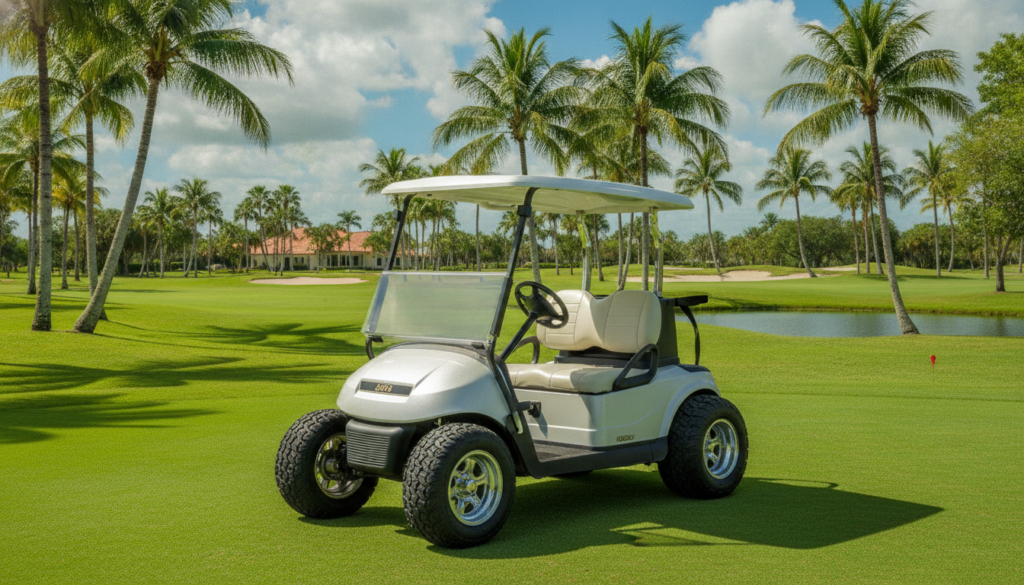
The diverse landscapes of South Florida, from manicured golf courses to sandy beaches and bustling communities, demand specific performance from your golf cart. This golf cart tire guide is your ultimate resource for navigating these terrains, ensuring your ride is always smooth, safe, and efficient. Choosing the right tires is not just about aesthetics; it’s about optimizing performance, enhancing safety, and extending the life of your golf cart, especially under the unique conditions of our sunny climate. Whether you’re cruising through a residential area, tackling a challenging trail, or simply enjoying a round of golf, the tires you choose make all the difference.
In this comprehensive golf cart tire guide, we will explore the 5 brilliant types of tires perfectly suited for every South Florida terrain. We’ll delve into the nuances of tread patterns, construction, and sizing, providing you with the knowledge to make an informed decision. Discover how the right set of tires can transform your golf cart’s handling, comfort, and durability, making every journey a pleasure. Let’s ensure your golf cart is equipped to conquer any path with confidence and style.
Key Takeaways
- Understand the 5 primary types of golf cart tires and their ideal applications across South Florida’s varied terrains.
- Learn how to correctly size and select tires to ensure optimal performance, safety, and compatibility with your specific golf cart model.
- Discover essential maintenance tips, including correct tire pressure and rotation, to maximize the lifespan and efficiency of your golf cart tires.
- Identify the best brands and types of tires for specialized uses, such as lifted carts or heavy-duty off-road adventures.
Understanding Your Options: A Comprehensive Golf Cart Tire Guide to Types
When it comes to enhancing your golf cart’s performance and adapting it to South Florida’s diverse environments, the first step in this golf cart tire guide is understanding the various types of tires available. Each type is engineered with specific tread patterns and construction to excel in different conditions, from pristine golf courses to rugged trails. Knowing these distinctions is crucial for making the best choice.
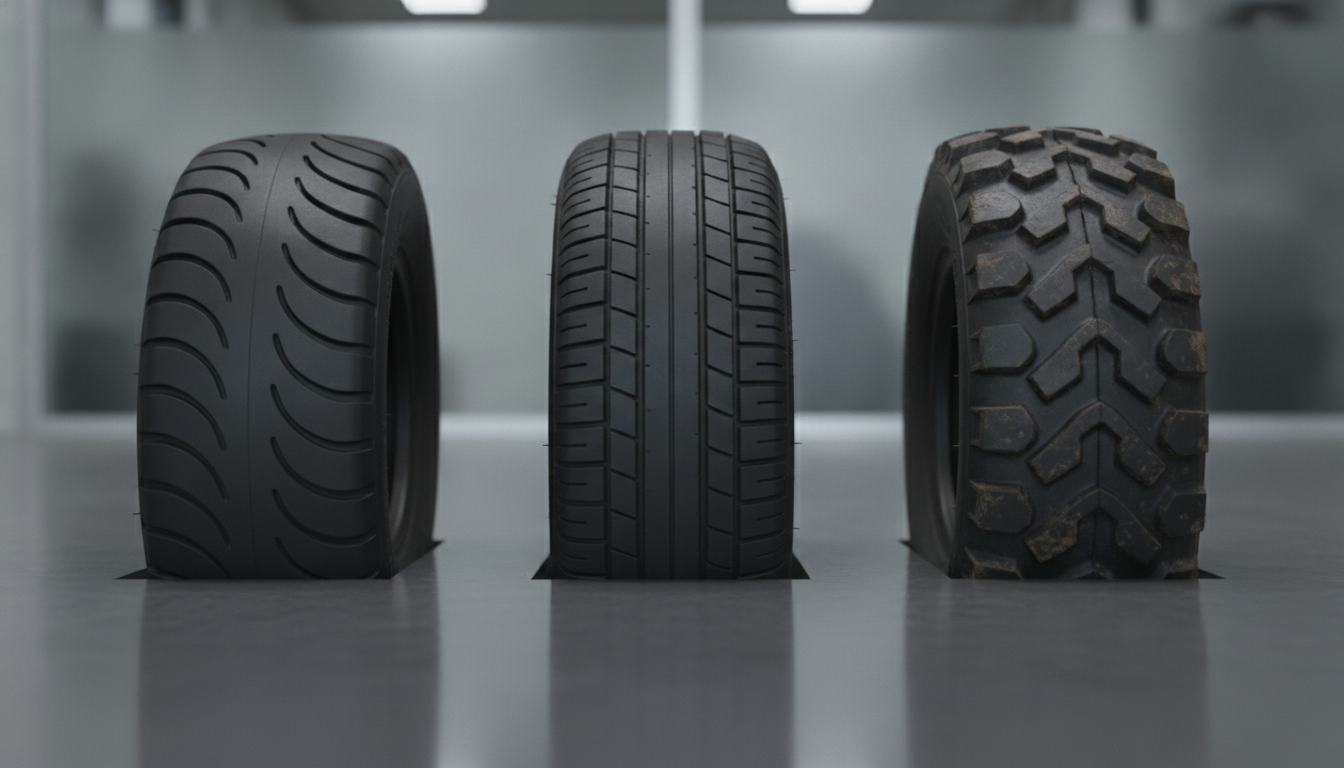
There are three primary types of golf cart tires: Turf, Street (or Low-Profile), and Off-Road/All-Terrain. Beyond these, specialized options exist for lifted carts and heavy-duty use. Let’s explore each in detail, providing a thorough golf cart tire guide for every need.
1. Turf Tires: The Gentle Giants for Golf Courses
Turf tires are specifically designed to protect delicate surfaces, making them ideal for golf courses and meticulously maintained lawns. They feature a rounded profile and shallow, non-aggressive tread patterns that distribute the cart’s weight evenly, minimizing damage to grass. This design ensures that your golf cart leaves minimal impact, preserving the beauty of the greens.
These tires offer excellent traction on grass without tearing it up. They are typically bias-ply construction, providing a comfortable ride on softer surfaces. For golf enthusiasts in South Florida, choosing the right turf tires is paramount to maintaining course integrity while enjoying a smooth ride. This aspect of the golf cart tire guide is vital for preserving local golf courses.
2. Street (Low-Profile) Tires: Smooth Rides for Paved Paths
Street or low-profile tires are engineered for optimal performance on paved roads, asphalt, and other hard surfaces. They boast a flatter profile and deeper, more defined tread patterns compared to turf tires, which significantly improves traction and handling on streets. These tires often have a higher speed rating and a more robust construction, making them perfect for community cruising.
Many street tires are radial, offering a smoother, quieter ride and enhanced durability. They are a popular choice for golf cart owners who primarily use their carts for transportation within neighborhoods, gated communities, or for errands. This section of the golf cart tire guide highlights their benefits for urban and suburban use. They also typically offer a longer lifespan on hard surfaces than turf tires.
3. Off-Road/All-Terrain Tires: Conquering the Wild Side
For those who venture beyond the pavement, off-road or all-terrain tires are indispensable. These tires feature aggressive, knobby tread patterns that provide superior grip and traction on dirt, sand, gravel, and muddy trails. Their robust construction is designed to withstand the rigors of challenging terrains, making them a favorite for adventurers.
South Florida’s unique environment, with its sandy trails and occasional muddy patches, makes off-road tires a practical choice for many. They are often larger in diameter, requiring a lift kit for proper fitment on many golf carts. This part of the golf cart tire guide is essential for exploring the natural beauty of the region. Brands like Madjax and other specialty manufacturers offer excellent options for durability and performance in tough conditions.
4. Radial vs. Bias-Ply Tires: A Construction Golf Cart Tire Guide
Understanding tire construction is another critical aspect of this golf cart tire guide. Golf cart tires are primarily available in two constructions: bias-ply and radial. Bias-ply tires have plies that crisscross from bead to bead, offering a strong sidewall and good load-carrying capacity. They are generally more affordable and common on turf and some off-road tires.
Radial tires, on the other hand, have plies that run perpendicular to the direction of travel, with a separate belt package under the tread. This construction allows the sidewall and tread to function more independently, leading to a smoother ride, better traction, and longer tread life, especially on paved surfaces. While often pricier, radial tires offer superior performance and comfort, making them a worthwhile investment for frequent users. This golf cart tire guide emphasizes the importance of construction for ride quality.
5. Specialty Tires: Lifted Carts and Heavy-Duty Applications
Beyond the main categories, specialty tires cater to specific needs. For lifted golf carts, larger diameter off-road or all-terrain tires are a must. These tires not only fill the wheel wells aesthetically but also provide increased ground clearance and enhanced off-road capability. Choosing the correct overall diameter and width is crucial to prevent rubbing and ensure proper function.
Heavy-duty tires are designed for golf carts that carry heavy loads or are used in demanding commercial applications. They feature reinforced sidewalls and higher ply ratings to handle increased weight without compromising stability or safety. This specialized segment of the golf cart tire guide ensures that every unique requirement is met, from recreational use to utility tasks. For those seeking the most durable golf cart tires, looking into higher ply ratings is a smart move.
Elevate Your Ride with Our Golf Cart Tire Guide Expertise
Phoenix Golf Car offers a comprehensive golf cart tire guide and unmatched service, ensuring you find the perfect tires for any South Florida adventure. Our experts are ready to enhance your cart’s performance and safety.
Choosing the Right Fit: Your Golf Cart Tire Guide to Sizing and Selection
Selecting the correct golf cart tire size is paramount for safety, performance, and avoiding costly modifications. This section of our golf cart tire guide will walk you through the essential considerations for choosing the perfect fit for your cart, whether it’s stock or lifted. Incorrect sizing can lead to rubbing, poor handling, and even damage to your cart’s components.
Understanding tire measurements is the first step. Golf cart tire sizes are typically expressed in a three-number format, such as 20×10-10. The first number (20) represents the overall height or diameter of the tire in inches. The second number (10) indicates the width of the tire in inches. The third number (-10) specifies the diameter of the wheel (rim) that the tire is designed to fit. This golf cart tire guide aims to simplify this process for you.
How Do I Choose the Right Golf Cart Tire Size?
To choose the right size, always start by checking your golf cart’s owner’s manual for the manufacturer’s recommended specifications. Consider your cart’s make, model, and whether it has a lift kit installed. If your cart is stock, sticking close to the original equipment (OE) size is usually best. For lifted carts, you’ll have more flexibility to go larger, but careful measurement is essential to ensure adequate clearance.
When upgrading, measure the available space in your wheel wells, especially when turning, to prevent rubbing against fenders or suspension components. A good rule of thumb is to allow at least 1-2 inches of clearance around the tire. Consulting with a professional at a reputable golf cart dealer, such as Phoenix Golf Car, can provide invaluable advice tailored to your specific cart and usage. This hands-on part of the golf cart tire guide is crucial.
Can I Put Car Tires on a Golf Cart?
This is a common question, and the answer is generally no. While car tires might seem like a robust alternative, they are not designed for the lighter weight and specific handling characteristics of a golf cart. Car tires are built for heavier vehicles and higher speeds, often leading to a much stiffer ride, reduced acceleration, and potential damage to your golf cart’s suspension and drivetrain. Furthermore, the bead design on car tires may not properly seat on golf cart rims, posing a significant safety risk. Always use tires specifically manufactured for golf carts to ensure safety and optimal performance. This golf cart tire guide strongly advises against using car tires.
What Golf Cart Tires Are Best for Lifted Carts?
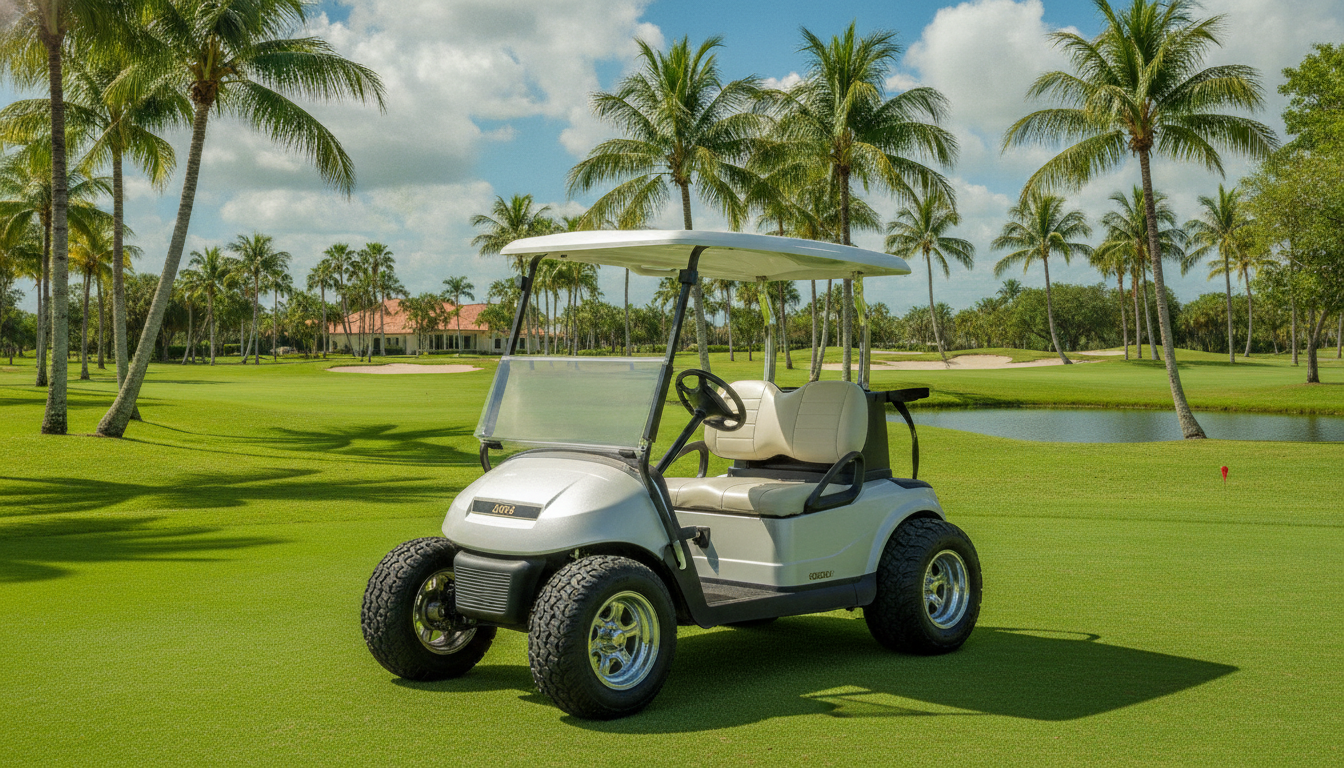
Lifted golf carts open up a world of possibilities for larger, more aggressive tires. For these carts, off-road or all-terrain tires with diameters typically ranging from 22 to 23 inches are popular. These larger tires not only enhance the cart’s aesthetic appeal but also provide increased ground clearance, which is beneficial for navigating rougher terrain. The aggressive tread patterns offer superior traction on dirt, sand, and mud, making them perfect for South Florida’s varied landscapes.
When selecting tires for a lifted cart, pay close attention to the wheel size (e.g., 10-inch, 12-inch, 14-inch rims) and ensure the tire’s overall diameter and width are compatible with your lift kit and wheel well clearance. Brands like Madjax, Kenda, and Carlisle offer excellent options specifically designed for lifted golf carts, providing both durability and performance. This part of the golf cart tire guide is key for custom cart owners.
Maintenance and Longevity: An Essential Golf Cart Tire Guide
Proper maintenance is key to maximizing the lifespan and performance of your golf cart tires. Neglecting tire care can lead to premature wear, reduced safety, and a less comfortable ride. This section of our golf cart tire guide covers essential maintenance practices, from checking tire pressure to understanding wear patterns and replacement schedules.
Regular inspection and proactive maintenance will not only save you money in the long run but also ensure your golf cart remains reliable and safe for all your South Florida adventures. A well-maintained set of tires is fundamental to the overall health of your golf cart. Following this golf cart tire guide for maintenance will pay dividends.
What is the Correct Tire Pressure for Golf Cart Tires?
Maintaining the correct tire pressure is perhaps the most critical aspect of golf cart tire maintenance. Most standard golf cart tires require between 15-25 PSI (pounds per square inch). However, the definitive answer is always found embossed on your tire’s sidewall. This manufacturer’s recommendation is specific to your tire’s design and load capacity.
Over-inflation can lead to a harsh ride, reduced traction, and uneven wear down the center of the tread. Under-inflation, conversely, causes sluggish handling, increased rolling resistance (reducing battery life for electric carts), and premature wear on the outer edges of the tread. Check your tire pressure regularly with a reliable gauge, ideally before each use or at least once a month. This crucial tip in our golf cart tire guide ensures optimal performance and safety.
How Often Should Golf Cart Tires Be Replaced?
The lifespan of golf cart tires varies significantly based on usage, maintenance, and storage conditions. Generally, golf cart tires last between 2 to 5 years or 5,000 to 10,000 miles. However, it’s essential to regularly inspect your tires for signs of wear, regardless of age or mileage. Look for cracks in the sidewall, bulges, punctures, or insufficient tread depth. The minimum legal tread depth is typically 2/32 of an inch, but for optimal safety and performance, especially in wet conditions, replacement before reaching this minimum is advisable.
South Florida’s intense sun and heat can accelerate rubber degradation, so frequent inspection is even more important here. If you notice any of these signs, replace your tires promptly. Proactive replacement, as advised by this golf cart tire guide, prevents unexpected failures and maintains safety.
Why Are My Golf Cart Tires Wearing Unevenly?
Uneven tire wear is a clear indicator of an underlying issue that needs attention. Common causes include incorrect tire pressure (as discussed above), misaligned steering components, worn suspension parts, or unbalanced wheels. For example, wear on one side of the tread could indicate an alignment problem, while cupping or scalloping patterns might point to worn shocks or unbalanced wheels.
Addressing uneven wear promptly is crucial. Ignoring it can lead to accelerated tire degradation, poor handling, and potential safety hazards. A professional inspection and alignment by a qualified technician can diagnose and correct these problems, extending your tire life and improving your golf cart’s overall performance. This troubleshooting aspect of the golf cart tire guide helps you maintain your investment.
Are All Golf Cart Tires Tubeless?
The vast majority of modern golf cart tires are tubeless, meaning they do not require an inner tube. This design simplifies installation, reduces weight, and provides better heat dissipation. Tubeless tires are also less prone to sudden blowouts, as punctures typically result in a slow leak rather than an immediate loss of air. This allows for safer driving and easier repair.
However, some older golf carts or specialty applications might still use tube-type tires. Always check the tire’s sidewall or consult with a tire professional if you are unsure. For most contemporary golf cart owners, you can expect your tires to be tubeless. This detail in the golf cart tire guide clarifies a common question about tire construction.
Specialized Needs: A Golf Cart Tire Guide for Lifted Carts and Off-Road Adventures
South Florida’s diverse recreational opportunities often mean golf carts are used for more than just golf. From exploring nature trails to navigating sandy beaches, many owners customize their carts for specific adventures. This section of our golf cart tire guide focuses on specialized needs, particularly for lifted carts and those venturing off the beaten path.
Choosing the right tires for these applications is critical for both performance and safety. An ill-suited tire can quickly turn an exciting adventure into a frustrating experience. Let’s dive into what makes a great specialized tire, as part of this comprehensive golf cart tire guide.
Who Makes the Most Durable Golf Cart Tires?
When it comes to durability, several brands consistently stand out in the golf cart tire market. For off-road and all-terrain applications, brands like Kenda, Carlisle, and ITP are highly regarded for their robust construction and aggressive tread patterns designed to withstand harsh conditions. These manufacturers often use heavier-duty compounds and higher ply ratings to resist punctures and wear.
For street and turf applications, brands such as Duro, Maxxis, and Greenball offer excellent durability and longevity, providing a balance of comfort and resistance to wear on paved surfaces or golf courses. Ultimately, the most durable tire for you will depend on your specific usage and terrain. Investing in a reputable brand, as recommended by this golf cart tire guide, ensures quality and peace of mind.
Which Golf Cart Tires Offer the Smoothest Ride?
For those prioritizing ride comfort, especially on paved surfaces, low-profile street tires and radial construction tires are generally the best choices. Low-profile tires, when properly inflated, have shorter sidewalls that flex less, providing a more stable and direct feel. Radial tires, with their independent sidewall and tread, excel at absorbing road imperfections, resulting in a significantly smoother and quieter ride compared to bias-ply alternatives.
While radial tires might come with a higher price tag, the enhanced comfort, improved handling, and often longer tread life make them a worthwhile investment for many golf cart owners. If a plush ride is a top priority for your daily commutes or leisurely drives, this golf cart tire guide points you towards radial low-profile options. Consider brands known for their quality street tires for the best results.
Where to Buy and Cost Considerations: Your Golf Cart Tire Guide
Acquiring new golf cart tires involves understanding where to purchase them and what costs to expect. This final section of our golf cart tire guide provides practical advice on sourcing tires and budgeting for replacement, ensuring you get the best value for your investment in South Florida.
Whether you’re looking for a quick replacement or a complete upgrade, knowing your options for purchasing and installation will make the process seamless. This comprehensive golf cart tire guide aims to equip you with all the necessary information.
Where Can I Buy Golf Cart Tires Online?
Buying golf cart tires online offers convenience and a wide selection. Reputable online retailers specializing in golf cart parts and accessories are excellent sources. Websites like GolfCartTireSupply.com, BuggiesUnlimited.com, and Amazon offer extensive inventories, allowing you to compare brands, types, and prices from the comfort of your home. Many online stores also provide complete wheel and tire assemblies, which can simplify installation.
However, remember to verify tire specifications carefully, including size, ply rating, and tread pattern, before making a purchase. While online shopping is convenient, local dealers like Phoenix Golf Car in Pompano Beach offer expert advice and professional installation services, which can be invaluable. This golf cart tire guide recommends balancing convenience with expert support.
How Much Does It Cost to Replace Golf Cart Tires?
The cost to replace golf cart tires can vary significantly based on the type of tire, brand, size, and whether you purchase just the tires or a complete wheel and tire assembly. Generally, a single golf cart tire can range from $50 to $150 or more. A full set of four tires might cost anywhere from $200 to $600, not including installation.
Off-road and specialty tires, especially those for lifted carts, tend to be on the higher end of this spectrum due to their larger size and robust construction. Installation costs, if you opt for professional service, typically add $15 to $30 per tire. While it’s possible to install them yourself, professional installation ensures proper mounting and balancing, which is crucial for safety and performance. This golf cart tire guide helps you budget effectively for your tire needs.
Frequently Asked Questions About Golf Cart Tires
What types of golf cart tires are available?
Three primary types are available: Turf, Street (or Low-Profile), and Off-Road. Turf tires are designed to protect delicate golf course greens. Street tires offer a smoother, quieter ride on paved surfaces, often with higher speed ratings. Off-road tires feature aggressive treads for enhanced grip on dirt, sand, and rough terrain.
How do I choose the right golf cart tire size?
Choosing the correct golf cart tire size depends on your cart’s make, model, lift kit status, and intended use. Always consult your owner’s manual or a professional. Key measurements include overall diameter, width, and wheel diameter (e.g., 20×10-10 means 20″ tall, 10″ wide, for a 10″ rim). Ensure adequate clearance to prevent rubbing.
What’s the difference between golf cart turf tires and street tires?
Golf cart turf tires have a rounded profile and shallower, non-aggressive treads to minimize impact on grass, making them ideal for golf courses. Street tires feature a flatter profile with deeper, more defined tread patterns for better traction and longevity on asphalt and paved roads. Street tires typically have a higher PSI rating and can handle faster speeds.
How often should golf cart tires be replaced?
Golf cart tires typically last 2-5 years or 5,000-10,000 miles, but this varies based on usage, maintenance, and storage conditions. Regularly inspect for signs of wear such as cracks, bulges, punctures, or insufficient tread depth. Replace them promptly to maintain safety and performance.
What is the correct tire pressure for golf cart tires?
The correct golf cart tire pressure is crucial for safety, ride comfort, and tire longevity. Most standard golf cart tires require between 15-25 PSI, but always refer to the specific PSI recommendation embossed on your tire’s sidewall. Over-inflation can cause a harsh ride and uneven wear, while under-inflation leads to poor handling and premature tire damage.
Why are my golf cart tires wearing unevenly?
Uneven golf cart tire wear often indicates underlying issues. Common causes include incorrect tire pressure (over or under-inflation), misaligned steering components, worn suspension parts, or unbalanced wheels. Regular inspection and professional alignment can help diagnose and correct these problems, extending tire life and improving handling.
What golf cart tires are best for lifted carts?
Lifted golf carts typically require larger, more aggressive off-road or all-terrain golf cart tires to match the increased ground clearance and provide better traction. It is crucial to choose tires with the correct overall diameter and width that fit your lift kit and wheel size without rubbing. Many owners opt for 22-inch to 23-inch tires with aggressive tread patterns.
Which golf cart tires offer the smoothest ride?
For the smoothest ride, low-profile street tires or radial golf cart tires are often recommended. Low-profile tires, when properly inflated, provide less flex and more direct road contact. Radial tires, though often pricier, offer superior shock absorption and a more comfortable ride compared to bias-ply tires, especially on paved surfaces.
Your golf cart is more than just a vehicle; it’s a gateway to enjoying the unique lifestyle of South Florida. This comprehensive golf cart tire guide has walked you through the 5 brilliant types of tires, from delicate turf protectors to rugged off-road conquerors, ensuring you’re equipped for every terrain. We’ve covered crucial aspects like sizing, maintenance, and specialized needs, emphasizing that the right tires are fundamental to your cart’s performance, safety, and longevity.
Making an informed decision about your golf cart tires will significantly enhance your driving experience, providing comfort, control, and peace of mind. Remember, regular maintenance and choosing quality products from reputable brands are investments that pay off. For personalized advice and a wide selection of top-tier golf cart tires in South Florida, trust the experts at Phoenix Golf Car. They are dedicated to helping you find the perfect set to elevate your ride. This golf cart tire guide is your first step towards a better ride.
Learn more from authoritative resources: Consumer Reports and HGTV.