Golf cart battery care: 9 Powerful Myths Debunked for Longer Life
Optimal golf cart battery care is the cornerstone of a reliable and long-lasting golf cart. Many owners, however, unknowingly fall prey to common misconceptions that can drastically shorten battery life and diminish performance. Understanding the truth behind these myths is crucial for anyone seeking to maximize their investment and ensure smooth rides.
In this comprehensive guide, we will systematically debunk nine powerful myths surrounding golf cart battery maintenance. We’ll provide authoritative, actionable insights to help you navigate the complexities of deep-cycle battery management, ensuring your golf cart batteries last longer, hold a charge more effectively, and perform optimally for years to come. Prepare to transform your approach to battery upkeep.
Key Takeaways
- Discover the truth about proper charging cycles and how to avoid common mistakes that reduce battery lifespan.
- Learn the essential steps for maintaining electrolyte levels and cleaning terminals to prevent premature battery failure.
- Understand the critical differences between lead-acid and lithium batteries, and how to care for each type effectively.
- Gain insights into winter storage best practices and signs of failing batteries to ensure proactive maintenance.
Myth 1: Only Charge Your Golf Cart Batteries When They’re Almost Dead
One of the most damaging myths about golf cart battery care is the belief that you should wait until your batteries are nearly depleted before recharging them. This practice, known as deep discharging, severely stresses lead-acid batteries and significantly shortens their lifespan. Deep cycle batteries, common in golf carts, are designed for many shallow discharges and recharges.
The best way to maintain golf cart batteries is to charge them after every use, even if you’ve only driven a short distance. This prevents sulfation, a common cause of battery failure where lead sulfate crystals build up on the battery plates, hindering their ability to hold a charge. Regular, consistent charging is key to longevity.
Why Frequent Charging Improves Golf Cart Battery Care
Frequent charging ensures that your batteries remain above a critical discharge threshold, typically around 50% state of charge. This minimizes the formation of hard sulfate crystals, which are difficult for chargers to convert back into active material. Consistent charging cycles are a cornerstone of effective golf cart battery care.
Avoiding deep discharges also reduces the strain on the battery plates, preserving their structural integrity and chemical capacity. This proactive approach helps to maximize the lifespan of your golf cart batteries, keeping them performing at their peak for longer periods.
Myth 2: Any Water Is Fine for Your Lead-Acid Golf Cart Batteries
This myth can quickly lead to battery damage. For lead-acid batteries, the electrolyte consists of sulfuric acid and water. Over time, water evaporates, and the electrolyte level drops. Adding tap water, however, introduces impurities like minerals and chemicals that can contaminate the electrolyte and accelerate internal corrosion.
The correct practice for golf cart battery care is to exclusively use distilled water. Distilled water is free of minerals and impurities, ensuring that your battery’s chemical balance remains stable. This simple step is vital for preventing premature battery degradation and maintaining optimal performance.
How Often Should Golf Cart Batteries Be Watered for Proper Care?
How often should golf cart batteries be watered? For lead-acid batteries, checking electrolyte levels every 2-4 weeks is a good rule of thumb, especially during heavy usage or in warmer climates. Always check and add distilled water after the batteries have been fully charged, not before. Filling them before charging can cause overflow as the electrolyte expands during the charge cycle.
Ensure the water level covers the plates by about 1/4 to 1/2 inch. Never overfill, as this can lead to acid leakage and corrosion on the battery tops and tray. Proper watering is a fundamental aspect of diligent golf cart battery care.
Myth 3: Overcharging Isn’t a Problem with Modern Chargers
While modern smart chargers are significantly better at preventing overcharging than older models, the myth that it’s impossible to overcharge is still dangerous. Continuous overcharging, even at a low level, can lead to excessive gassing, which depletes water levels in lead-acid batteries and can cause plate corrosion. This reduces battery capacity and lifespan.
A smart, multi-stage charger specifically designed for deep cycle batteries is recommended. These chargers monitor the battery’s state of charge and switch to a float or maintenance mode once fully charged, preventing damage. However, even with smart chargers, it’s wise to disconnect them if the cart will be stored for extended periods after reaching full charge.
Avoiding Common Mistakes in Golf Cart Battery Care When Charging
What are the common mistakes to avoid when charging golf cart batteries? Beyond overcharging, undercharging is equally detrimental. It leaves batteries in a partially discharged state, promoting sulfation. Interrupting the charge cycle frequently also prevents the battery from reaching a full charge, which is crucial for its health.
Always ensure your charger is compatible with your battery type (lead-acid or lithium). Charging at extreme temperatures can also be harmful; ideally, charge in a well-ventilated area at moderate temperatures. Consistent and correct charging practices are paramount for effective golf cart battery care.
Myth 4: Golf Cart Batteries Don’t Need Regular Cleaning
Neglecting battery terminals and tops is a common oversight that can lead to significant problems. Corrosion, often appearing as a white or bluish powdery substance, can build up on terminals. This corrosion acts as an insulator, impeding the flow of electricity and reducing charging efficiency. It can also lead to voltage drops and reduced power output.
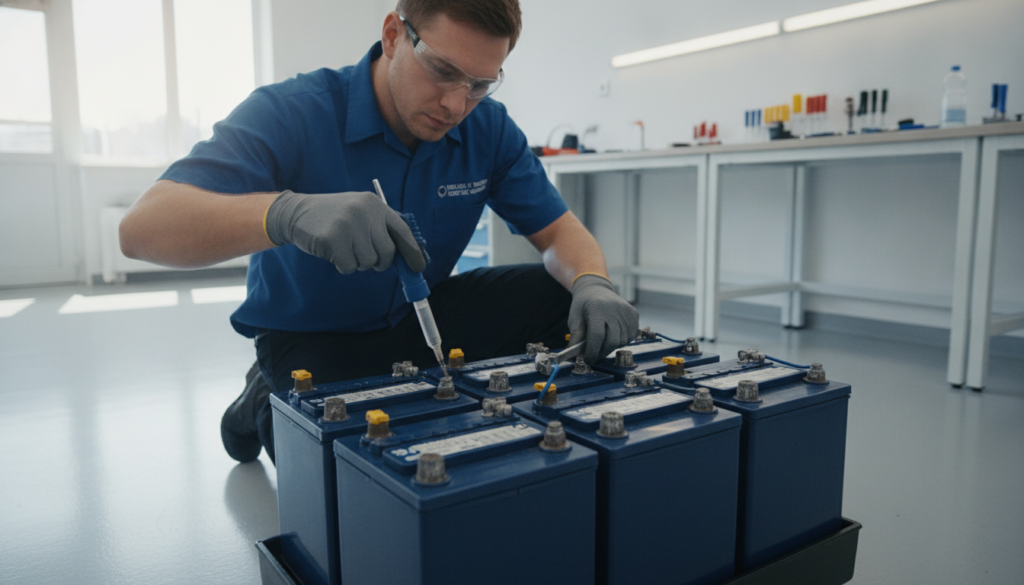
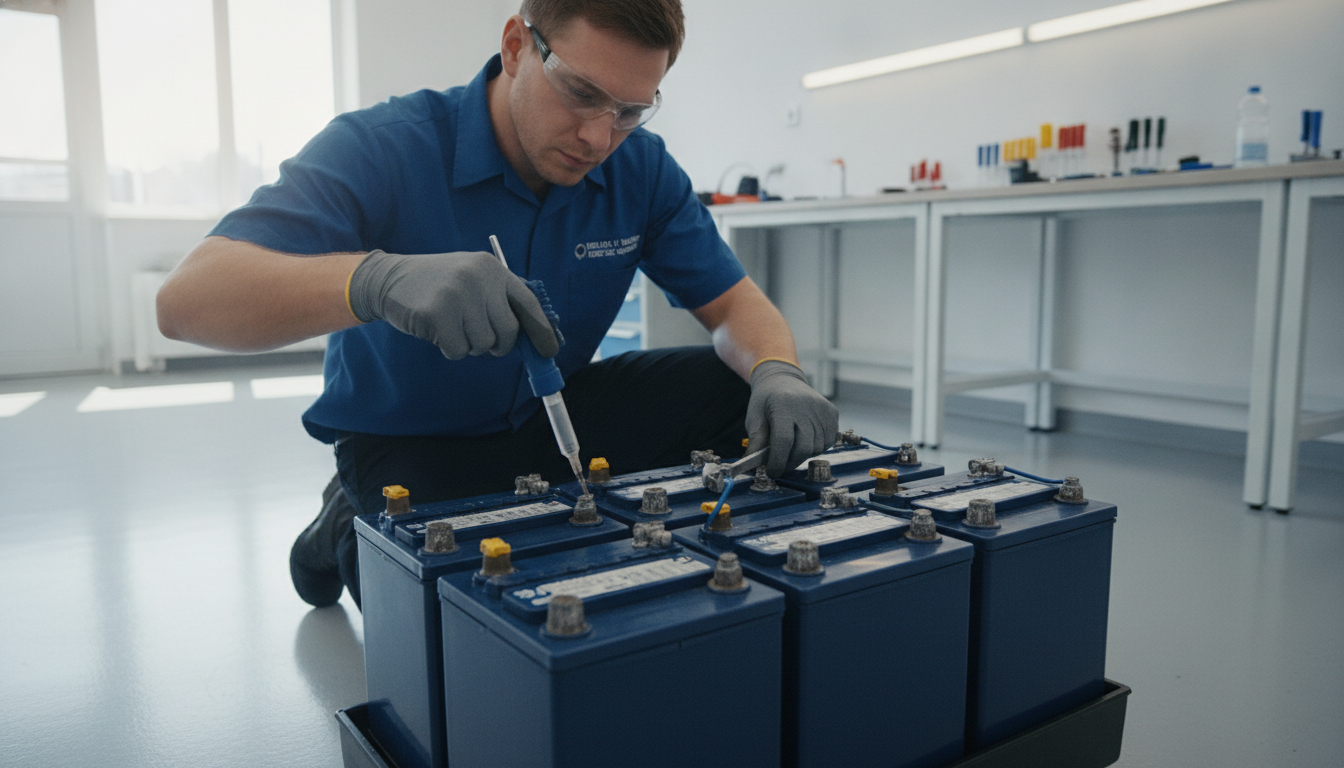
Regular cleaning is a simple yet vital component of effective golf cart battery care. A mixture of baking soda and water can neutralize acid corrosion. Use a wire brush to scrub the terminals clean, then rinse with clean water and dry thoroughly. Applying a thin layer of anti-corrosion spray or petroleum jelly to the terminals after cleaning can help prevent future buildup.
Are Specific Tools Needed for Golf Cart Battery Care?
For basic golf cart battery care, a few specific tools are highly recommended. These include a battery terminal cleaner (wire brush), a battery hydrometer (for lead-acid batteries to check specific gravity), a voltmeter or multimeter to check individual battery voltage, and a battery filler bottle for safely adding distilled water. Safety glasses and gloves are also essential to protect against acid exposure.
Regular inspections should also be part of your routine. Check for loose connections, damaged cables, or any signs of bulging or cracking on the battery cases. Addressing these issues promptly can prevent more serious problems down the line and extend the life of your golf cart batteries.
Myth 5: Just Park Your Golf Cart for Winter Storage
Improper winter storage is a leading cause of premature battery failure, especially in colder climates. Simply parking your golf cart for months without preparation can lead to batteries self-discharging to a point where they cannot be recovered. Cold temperatures exacerbate this issue, as battery capacity decreases with temperature.
How do I store golf cart batteries for the winter? The correct procedure involves fully charging the batteries, disconnecting them from the golf cart (to prevent parasitic drains), cleaning the terminals, and storing them in a cool, dry place above freezing temperatures. For lead-acid batteries, ensure electrolyte levels are correct before storage.
Maximizing Lifespan Through Proper Winter Golf Cart Battery Care
To maximize the lifespan of your golf cart batteries during storage, periodically check their voltage every 4-6 weeks and recharge them if they fall below 70-80% of their full charge. This prevents irreversible sulfation. A battery maintainer or trickle charger can also be used, but ensure it’s specifically designed for long-term maintenance charging.
Following these steps for winter golf cart battery care ensures your batteries remain healthy and ready for action when the warmer seasons return. Neglecting these precautions can result in costly replacements and unexpected downtime when you’re ready to hit the links.
Myth 6: All Golf Cart Batteries Are Essentially the Same
This myth overlooks critical differences that impact performance, maintenance, and cost. While lead-acid batteries have been the traditional choice, lithium-ion batteries are increasingly popular. Each type requires distinct golf cart battery care practices and offers different advantages.
Lead-acid batteries (flooded, AGM, Gel) are generally more affordable upfront but require regular watering (flooded) and have a shorter lifespan. Lithium-ion batteries, while more expensive initially, are maintenance-free, lighter, charge faster, and offer a significantly longer lifespan, often exceeding 8-10 years with proper use.
Understanding Different Battery Types for Optimal Golf Cart Battery Care
For lead-acid batteries, consistent watering, proper ventilation during charging, and avoiding deep discharges are paramount. For lithium batteries, the built-in Battery Management System (BMS) handles most of the protective functions, simplifying user golf cart battery care. However, it’s crucial to use a charger specifically designed for lithium-ion batteries.
Choosing the right battery type depends on your budget, usage patterns, and willingness to perform maintenance. Understanding these differences is the first step in providing the correct care and maximizing the performance of your golf cart.
Myth 7: One Failing Battery Means the Entire Pack Is Bad
While a failing battery can certainly impact the performance of the entire pack, it doesn’t automatically mean all batteries need replacement. Golf carts typically use a series of 6V or 8V batteries wired together to achieve the desired voltage (e.g., 36V or 48V). When one battery weakens, it drags down the performance of the entire system.
Why are my golf cart batteries not holding a charge? Often, it’s a single weak cell or battery within the pack that’s causing the issue. Professional testing can identify the culprit. Replacing only the failing battery can sometimes restore the pack’s performance, though it’s often recommended to replace them in pairs or the entire set for balanced performance and longevity.
Signs of a Failing Golf Cart Battery and When to Seek Professional Golf Cart Battery Care
What are the signs of a failing golf cart battery? Look for reduced run time, slow acceleration, difficulty climbing hills, or one battery in the pack showing significantly lower voltage than the others. Other indicators include bulging cases, excessive corrosion on specific terminals, or a strong sulfur smell coming from one battery.
Where can I get my golf cart batteries tested or serviced? If you suspect a failing battery, it’s best to consult with a professional golf cart service center like Phoenix Golf Car. They have the specialized equipment to accurately test individual batteries and diagnose issues, ensuring your golf cart battery care is handled expertly.
Myth 8: Fast Charging Is Always the Best Approach
While the convenience of fast charging is appealing, it’s not always the best option for the long-term health of your golf cart batteries, especially lead-acid types. Fast charging generates more heat, which can accelerate water loss and internal corrosion in lead-acid batteries. It can also put undue stress on the battery plates.
A slower, more controlled charge rate is generally preferred for maximizing battery lifespan. This allows the chemical reactions within the battery to occur more gently and completely, reducing stress and heat buildup. For lithium batteries, while they can handle faster charge rates, using the manufacturer-recommended charger is still crucial.
What Type of Charger Is Recommended for Deep Cycle Golf Cart Batteries?
What type of charger is recommended for deep cycle golf cart batteries? A smart, multi-stage charger is ideal. These chargers typically have three stages: bulk, absorption, and float. The bulk stage delivers maximum current, the absorption stage tapers the current as voltage rises, and the float stage maintains a full charge with a low, constant voltage.
This intelligent charging process ensures optimal golf cart battery care by preventing overcharging and promoting a full, healthy charge without damaging the battery. Always match the charger’s voltage and amperage to your golf cart’s battery pack specifications for the best results.
Master Your Golf Cart Battery Care with Phoenix Golf Car
Ensure your golf cart runs flawlessly with our expert battery maintenance, testing, and replacement services. We provide authoritative solutions to extend battery life and performance.
Myth 9: Equalization Charging Is Always Necessary for Optimal Golf Cart Battery Care
Equalization charging is a controlled overcharge performed on lead-acid batteries to rebalance the voltage and specific gravity across all cells within a battery, or across all batteries in a pack. While beneficial under specific circumstances, it is not a routine requirement and can be detrimental if performed too often or incorrectly.
When should I equalize charge my golf cart batteries? Equalization is typically recommended only when there’s a noticeable imbalance in cell voltages, when specific gravity readings vary significantly between cells, or when batteries consistently fail to reach a full charge. It helps to break down sulfate crystals that may have accumulated over time.
The Role of Equalization in Advanced Golf Cart Battery Care
Equalization should be performed sparingly, perhaps once every few months or as needed, and always according to the battery manufacturer’s guidelines. It’s a more aggressive charge cycle, so proper ventilation is crucial, and electrolyte levels must be checked afterward. Over-equalizing can lead to excessive gassing, water loss, and accelerated grid corrosion, counteracting good golf cart battery care.
If you’re unsure whether your batteries need an equalization charge, consult your golf cart manual or a battery professional. They can assess your battery’s condition and advise on the appropriate maintenance schedule, ensuring you only perform this advanced care technique when truly necessary.
Proper golf cart battery care is not just about avoiding myths; it’s about adopting a proactive, informed approach to maintenance. By debunking these common misconceptions, you can significantly extend the life and enhance the performance of your golf cart batteries. Regular charging, using distilled water, cleaning terminals, and understanding your battery type are all crucial steps.
Remember, your golf cart’s batteries are its heart. Treating them with the diligent care they deserve will ensure countless hours of reliable operation and enjoyment on the course or around your community. Don’t let myths dictate your maintenance routine; empower yourself with knowledge and best practices for superior golf cart battery care.
Frequently Asked Questions About Golf Cart Battery Care
What is the best way to maintain golf cart batteries?
The best way to maintain golf cart batteries involves regular charging, checking electrolyte levels (for lead-acid), keeping terminals clean, and ensuring proper ventilation. Consistent care prevents premature failure and maximizes lifespan.
How often should golf cart batteries be watered?
Lead-acid golf cart batteries typically need watering every 2-4 weeks, depending on usage and climate. Always use distilled water, fill to the correct level after charging, and never overfill.
Why are my golf cart batteries not holding a charge?
Batteries not holding a charge often indicate sulfation, low electrolyte levels, old age, a faulty charger, or a single failing battery within the pack. Professional testing can pinpoint the exact issue.
How long do golf cart batteries last with proper care?
With diligent golf cart battery care, lead-acid batteries can last 4-6 years, while lithium-ion batteries can exceed 8-10 years. Proper maintenance is the most significant factor in extending their life.
What are the common mistakes to avoid when charging golf cart batteries?
Avoid overcharging or undercharging, interrupting the charge cycle, charging at extreme temperatures, and neglecting to check water levels before charging (for lead-acid). These errors can severely reduce battery life.
How do I store golf cart batteries for the winter?
For winter storage, fully charge batteries, disconnect them, clean terminals, and store them in a cool, dry place above freezing. For lead-acid, ensure electrolyte levels are correct. Periodically check and recharge if needed to prevent self-discharge.
What are the signs of a failing golf cart battery?
Signs of a failing golf cart battery include reduced run time, slow acceleration, difficulty climbing hills, corrosion on terminals, bulging cases, a strong sulfur smell, or one battery in a pack showing significantly lower voltage.
What type of charger is recommended for deep cycle golf cart batteries?
A smart, multi-stage charger specifically designed for deep cycle batteries (lead-acid or lithium, depending on your battery type) is recommended. It ensures optimal charging without over or undercharging, extending battery life.
Where can I get my golf cart batteries tested or serviced?
Phoenix Golf Car offers professional golf cart battery testing and servicing in Pompano Beach and throughout South Florida. Our experts can diagnose issues, perform maintenance, and recommend replacements or upgrades.
Learn more from authoritative resources: Consumer Reports and HGTV.