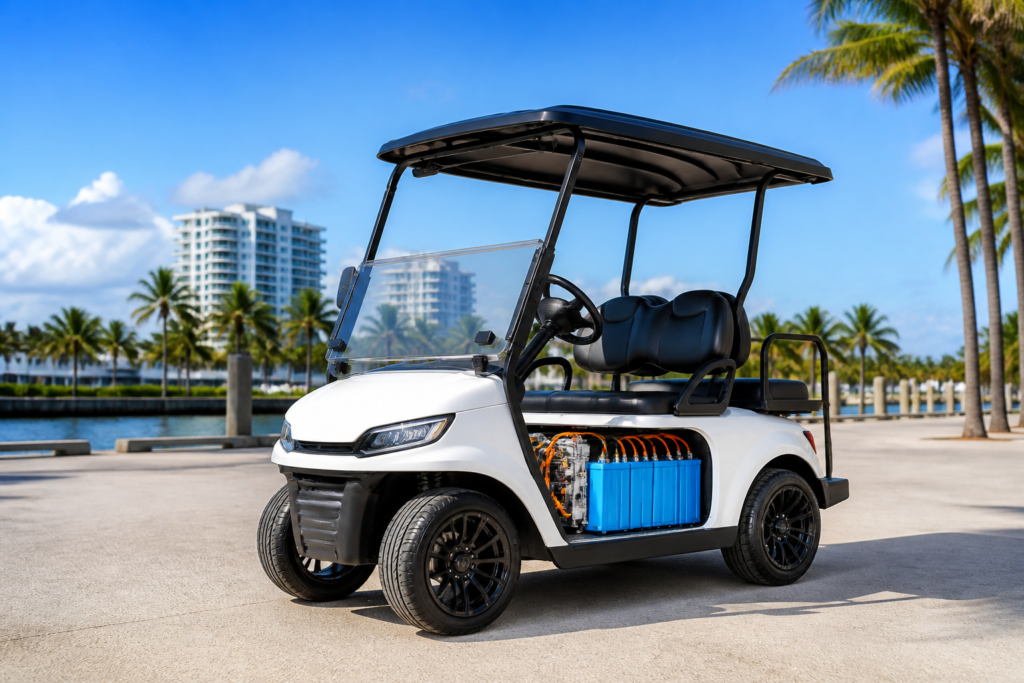
Lithium Conversion Myths: 5 Powerful Golf Cart Secrets Revealed
Lithium Conversion Myths often cloud the decision-making process for golf cart owners looking to upgrade their vehicles. Many enthusiasts hear conflicting information about performance, safety, and cost, making it difficult to discern fact from fiction. This comprehensive guide aims to cut through the noise, debunking the most persistent misconceptions and revealing the powerful truths about lithium battery conversions for golf carts.
Upgrading your golf cart to lithium-ion batteries can unlock unparalleled benefits, from extended range and faster charging to significant weight reduction and a longer lifespan. However, misinformation can deter owners from making this transformative switch. We will explore the common fears and misunderstandings, providing clear, authoritative insights to help you make an informed decision for your golf cart.
Key Takeaways
- Understand that modern lithium batteries for golf carts are safe and reliable, dispelling common Lithium Conversion Myths about danger.
- Discover the true long-term cost savings and performance advantages that lithium offers over traditional lead-acid batteries for golf carts.
- Learn why a proper Battery Management System (BMS) is crucial for the safety and longevity of your lithium golf cart conversion.
- Identify the essential components needed for a successful lithium upgrade, moving beyond the simple battery swap to ensure optimal function.
- Gain confidence in choosing professional installation and reliable products to avoid common pitfalls associated with Lithium Conversion Myths.
Debunking the Most Persistent Lithium Conversion Myths
Among the many advancements in golf cart technology, lithium battery conversions stand out as a game-changer. Yet, a cloud of persistent Lithium Conversion Myths often prevents owners from experiencing these benefits. Let’s tackle the most common misconceptions head-on, providing clarity and factual information for golf cart enthusiasts.
One of the primary myths suggests that lithium batteries are inherently dangerous, prone to explosions or fires. This fear often stems from early-generation lithium-ion technologies or misapplications in other industries. However, modern Lithium Iron Phosphate (LiFePO4) batteries, specifically designed for golf carts and similar applications, are remarkably stable and safe.
Another widespread belief is that lithium conversions are always excessively complicated or prohibitively expensive. While there is an initial investment, the long-term savings and enhanced performance often outweigh the upfront cost. Understanding the true value and simplicity of modern kits helps to dismantle these Lithium Conversion Myths.
Many golf cart owners also worry that their existing charging infrastructure won’t work with lithium batteries, necessitating a full system overhaul. While some adjustments or specific chargers are often required, it’s not always a complete replacement. We will delve into these specifics, ensuring you have a clear picture of what a golf cart lithium conversion truly entails.
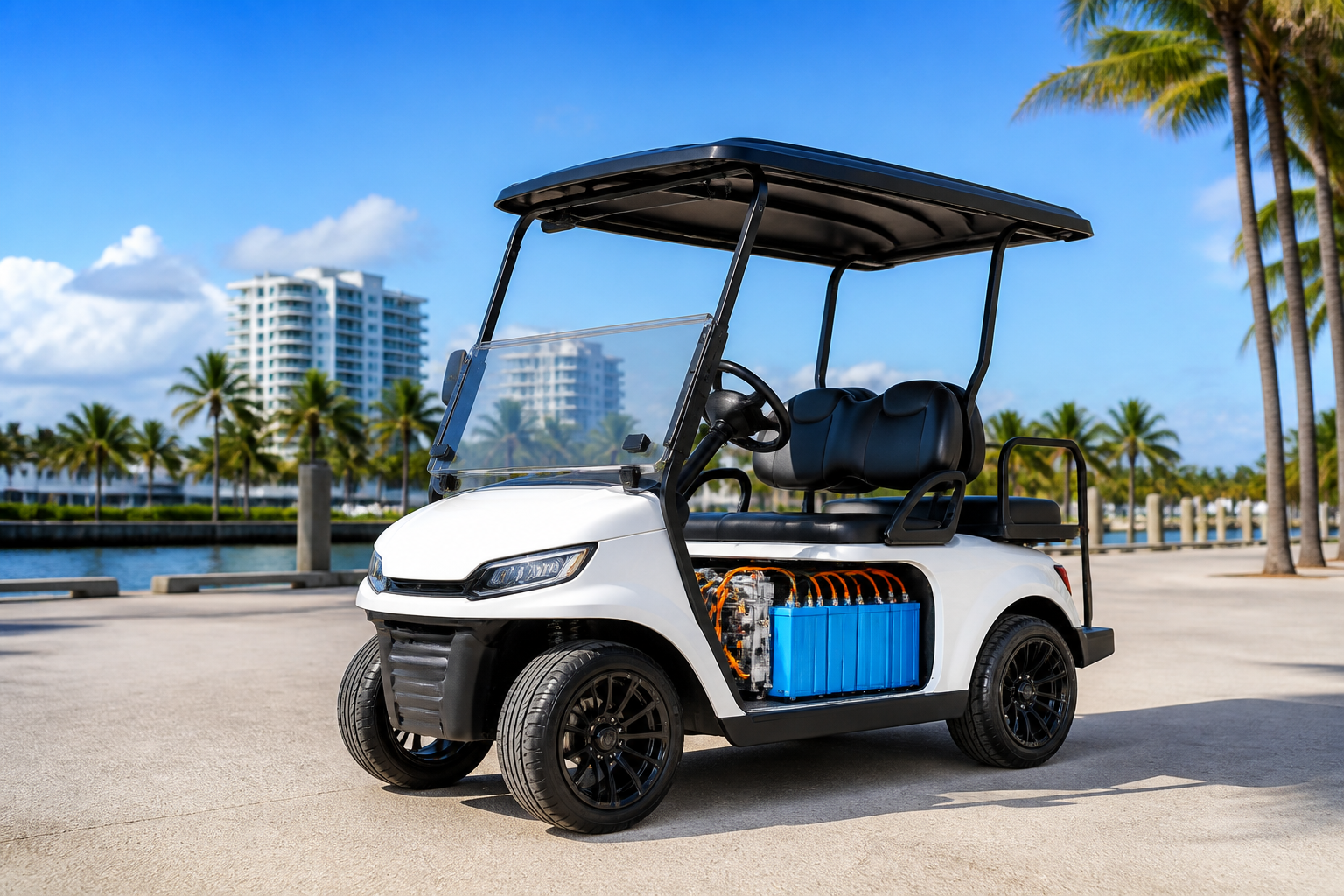
Safety and Complexity: Addressing Lithium Conversion Myths
The perception of danger and overwhelming complexity are two of the most significant Lithium Conversion Myths. It’s crucial to understand why these ideas persist and what the reality is for golf cart owners considering an upgrade.
Are Lithium Conversion Myths About Danger True for Golf Carts?
Some sources claim lithium batteries are dangerous, particularly for RV conversions. This concern often arises from historical incidents involving different types of lithium-ion batteries or poorly manufactured products without adequate safety features. For golf carts, modern LiFePO4 batteries are engineered with robust safety measures, including advanced Battery Management Systems (BMS).
A properly manufactured LiFePO4 battery with an integrated BMS is designed to prevent overcharging, over-discharging, overheating, and short circuits. This makes them significantly safer than many older lead-acid setups, which can off-gas hydrogen and acid. The key is choosing reputable brands and professional installation to ensure these safety features are fully operational, thereby dispelling these particular Lithium Conversion Myths.
Is DIY Installation Too Complicated? Debunking Lithium Conversion Myths
Another common question is whether lithium conversions are always too complicated for DIY enthusiasts. While a basic understanding of electrical systems is certainly beneficial, many reputable lithium conversion kits for golf carts are designed for relative ease of installation. They often come with clear instructions and plug-and-play components.
However, for optimal performance, safety, and proper integration, professional installation is highly recommended, especially for those less experienced with complex wiring or specialized battery management systems. Experts like Phoenix Golf Car ensure that all components are correctly installed and configured, maximizing the benefits and longevity of your investment. This approach helps to avoid the pitfalls that fuel Lithium Conversion Myths about DIY difficulty.
The Battery Management System (BMS) is the brain of your lithium battery system. It protects the battery from overcharging, over-discharging, over-current, and extreme temperatures, ensuring safety and maximizing lifespan. Without a robust BMS, the Lithium Conversion Myths about battery dangers become a real risk, and the battery’s longevity is severely compromised. It’s essential for any reliable lithium setup in a golf cart.
Ready to Debunk Lithium Conversion Myths for Your Golf Cart?
Phoenix Golf Car offers expert lithium conversions, transforming your golf cart with unparalleled power and longevity. Trust our authorized technicians for a seamless upgrade and superior performance.
Cost and Components: Unraveling Lithium Conversion Myths
The upfront cost of a lithium conversion is often a major point of contention, leading to many Lithium Conversion Myths about affordability. While the initial investment is higher than replacing lead-acid batteries, it’s crucial to look at the long-term value and the specific components involved.
What Specific Components Are Overlooked in Lithium Conversion Myths About Cost?
When considering the cost of a lithium conversion for a golf cart, many owners only think about the battery pack itself. However, several specific components are often overlooked, contributing to the perceived complexity and expense. These include a compatible charger, a robust Battery Management System (BMS) – often integrated into the battery but sometimes external – and potentially a new battery tray or mounting hardware.
For some golf carts, especially older models, an upgraded solenoid or even wiring might be recommended to handle the increased power delivery efficiently. While these additions contribute to the overall cost, they are vital for safety, performance, and the longevity of your new lithium system. Ignoring these components can lead to performance issues or safety hazards, reinforcing negative Lithium Conversion Myths.
How Much Does a Lithium Conversion Realistically Cost for Golf Carts?
While some sources might discuss the cost for a mid-size RV, which can range from $5,000 to $20,000 depending on capacity and complexity, golf cart lithium conversions are significantly more accessible. For a typical golf cart, a complete lithium conversion kit, including batteries, BMS, and a compatible charger, can range from approximately $1,500 to $3,500. This price varies based on battery capacity (e.g., 36V, 48V, 72V), brand reputation, and whether professional installation is included.
This initial investment, while higher than a lead-acid replacement, is offset by numerous factors. Lithium batteries last significantly longer, require virtually no maintenance, and offer superior performance. These genuine long-term savings of lithium over lead-acid batteries are a powerful truth that debunks many Lithium Conversion Myths about cost.
Can My Existing Charger Work? Addressing Lithium Conversion Myths About Compatibility
This is a critical point often misunderstood in Lithium Conversion Myths. While some existing chargers might appear to work, it’s highly recommended to use lithium-compatible components. Lithium batteries require specific charging profiles to optimize their lifespan and performance. Incompatible chargers can significantly shorten battery life, damage the battery, or even pose a safety risk.
Most quality lithium conversion kits include a dedicated lithium charger designed to provide the correct voltage and amperage, ensuring efficient and safe charging cycles. This dedicated charger is a small but vital investment for the health of your new battery system. For golf carts, alternators are generally not a concern as they are in RVs; golf carts typically rely on onboard chargers. Therefore, focus on the charger compatibility rather than an alternator upgrade.
Performance and Longevity: The Truth About Lithium Conversion Myths
Beyond cost and safety, the performance and lifespan of lithium batteries are often subject to various Lithium Conversion Myths. Understanding the real-world benefits can help golf cart owners appreciate the value of this upgrade.
Are There Weight Reduction Myths Associated with Lithium Conversions?
It’s not a myth that lithium batteries offer significant weight reduction. This is one of the most tangible and immediate benefits of converting your golf cart. Lithium battery packs are considerably lighter than traditional lead-acid batteries, often by hundreds of pounds for a full golf cart conversion. This weight saving is a powerful advantage, not a myth.
This reduction in weight improves vehicle handling, reduces wear and tear on suspension components, and can even slightly increase the golf cart’s range and speed due to less energy required to move the vehicle. It’s a genuine performance boost that directly contradicts any Lithium Conversion Myths suggesting otherwise.
Is it a Myth That Lithium Batteries Perform Poorly in Cold Weather?
This is partially a myth and partially a misunderstanding. Standard lithium batteries can indeed have reduced performance and should not be charged below freezing (0°C or 32°F) to prevent damage. However, many modern lithium batteries now come with built-in heating elements that allow for safe charging and better performance in colder climates.
For golf carts primarily used in warmer regions, this is less of a concern. For those in colder areas, selecting a battery with a low-temperature charging cutoff or an integrated heating system is essential. This nuance helps clarify the Lithium Conversion Myths surrounding cold weather performance, showing that solutions exist for diverse climates.
What Are the Common Warranty Misconceptions for Lithium Conversion Products?
Warranty misconceptions are another area where Lithium Conversion Myths can cause confusion. Many owners assume that lithium batteries have short or complicated warranties. In reality, reputable lithium battery manufacturers for golf carts typically offer much longer warranties than lead-acid batteries, often ranging from 8 to 10 years, sometimes even longer.
It’s crucial to read the warranty terms carefully, as some may require professional installation or specific charging practices to remain valid. Always choose products from established brands with clear warranty policies to ensure peace of mind. This extended warranty period is a testament to the durability and reliability of modern lithium technology, further debunking short-lifespan Lithium Conversion Myths.
Choosing the Right Path for Your Lithium Conversion Myths
Navigating the world of golf cart upgrades can be complex, especially with so many Lithium Conversion Myths circulating. Making an informed decision requires careful consideration of products, installers, and your specific needs.
Where Can I Find Unbiased Reviews on Different Lithium Conversion Kits?
Finding unbiased reviews on different lithium conversion kits for golf carts is essential. Start by looking at reputable golf cart forums, independent review websites, and consumer reports. YouTube channels dedicated to golf cart modifications often provide hands-on reviews and comparisons. Always cross-reference information from multiple sources to get a balanced perspective.
Pay attention to reviews that discuss long-term performance, customer service, and the ease of installation. While some Lithium Conversion Myths might be perpetuated in less credible sources, focusing on established communities and expert opinions will guide you towards reliable products and away from misinformation.
What Questions Should I Ask a Contractor Before Hiring for a Lithium Conversion?
When considering professional installation to avoid common Lithium Conversion Myths and ensure a successful upgrade, asking the right questions is paramount. Here are key questions to ask a contractor:
- What specific lithium battery brands and models do you install for golf carts?
- Do your kits include a compatible charger and a robust Battery Management System (BMS)?
- What is the total cost, including parts, labor, and any necessary accessories?
- What is the estimated timeline for the conversion?
- Do you offer a warranty on both the parts and the installation labor?
- Can you provide references from previous golf cart lithium conversion clients?
- Are your technicians certified or specifically trained in lithium battery installations?
These questions will help you assess their expertise, transparency, and commitment to quality, ensuring your investment is sound. For example, Phoenix Golf Car offers expert lithium conversions, transforming your golf cart with unparalleled power and longevity. Trust their authorized technicians for a seamless upgrade and superior performance.
Ultimately, the decision to upgrade your golf cart to lithium batteries is a significant one. By understanding and debunking the prevalent Lithium Conversion Myths, you can confidently move forward, enjoying the superior performance, longevity, and reduced maintenance that modern lithium technology offers. The future of golf cart power is here, and it’s clearer than ever.
Conclusion: Empowering Your Golf Cart with Truth Over Lithium Conversion Myths
The journey to upgrade your golf cart with lithium batteries doesn’t have to be fraught with uncertainty. By systematically addressing the most common Lithium Conversion Myths, we’ve unveiled the powerful truths about this transformative technology. From debunking fears about safety and complexity to clarifying the real costs and long-term benefits, the facts overwhelmingly support the advantages of a lithium conversion.
Modern LiFePO4 batteries, coupled with advanced Battery Management Systems, offer a safe, efficient, and long-lasting power solution for your golf cart. The initial investment is justified by superior performance, significant weight reduction, extended range, and a remarkably longer lifespan compared to traditional lead-acid batteries. Don’t let outdated or misinformed Lithium Conversion Myths hold you back from experiencing the ultimate golf cart upgrade.
Embrace the future of golf cart power with confidence. With the right information, reputable products, and expert installation, you can unlock a new level of performance and enjoyment from your vehicle. The truth about lithium conversions is far more powerful and positive than any myth could suggest.
What are the most persistent myths surrounding lithium battery conversions?
One common myth is that lithium batteries are inherently dangerous, prone to explosions or fires. Another persistent myth suggests that lithium conversions are always excessively complicated or expensive, making them inaccessible for the average golf cart owner. Many also believe existing charging infrastructure won’t work, necessitating a full system overhaul.
Is it really true that lithium conversions are always too complicated for DIY?
While a basic understanding of electrical systems is beneficial, reputable lithium conversion kits are designed for relative ease of installation. However, professional installation, like that offered by Phoenix Golf Car, ensures optimal performance, safety, and proper integration, especially for those less experienced with complex wiring or specialized battery management systems.
Why do some sources claim lithium batteries are dangerous for RV conversions?
Misinformation and early-generation battery issues often fuel these claims. Modern Lithium Iron Phosphate (LiFePO4) batteries, when properly manufactured with an integrated Battery Management System (BMS) and installed correctly, are very safe. Dangers typically arise from using cheap, unregulated batteries or improper installation without a suitable BMS.
Can my existing inverter/charger work with a new lithium battery setup?
This is a critical point often misunderstood in Lithium Conversion Myths. While some existing inverters and chargers might work, it’s highly recommended to use lithium-compatible components. Lithium batteries require specific charging profiles to optimize their lifespan and performance, and incompatible chargers can significantly shorten battery life or even damage them.
Are there weight reduction myths associated with converting to lithium?
It’s not a myth that lithium batteries offer significant weight reduction. They are considerably lighter than traditional lead-acid batteries, often by hundreds of pounds for a full golf cart conversion. This weight saving improves vehicle handling, reduces wear on suspension components, and can even slightly increase range, making it a tangible benefit, not a myth.
Do I need to upgrade my alternator for a lithium battery conversion?
For many golf cart applications, the alternator isn’t the primary charging source as it is in RVs. Golf carts typically use an onboard charger. However, if your golf cart has an integrated charging system from the engine (common in gas carts), or if you are doing an RV conversion, upgrading to a lithium-compatible alternator or DC-to-DC charger might be necessary to ensure efficient and safe charging.
Is it a myth that lithium batteries perform poorly in cold weather?
This is partially a myth and partially a misunderstanding. While standard lithium batteries can have reduced performance and should not be charged below freezing (0°C or 32°F), many modern lithium batteries now come with built-in heating elements that allow for safe charging and better performance in colder climates. For golf carts primarily used in warmer regions like Pompano Beach, this is less of a concern.
Why is a proper Battery Management System (BMS) non-negotiable for lithium conversions?
The BMS is the brain of your lithium battery system. It protects the battery from overcharging, over-discharging, over-current, and extreme temperatures, ensuring safety and maximizing lifespan. Without a robust BMS, the Lithium Conversion Myths about battery dangers become a real risk, and the battery’s longevity is severely compromised. It’s essential for any reliable lithium setup.
Learn more from authoritative resources: Consumer Reports and HGTV.