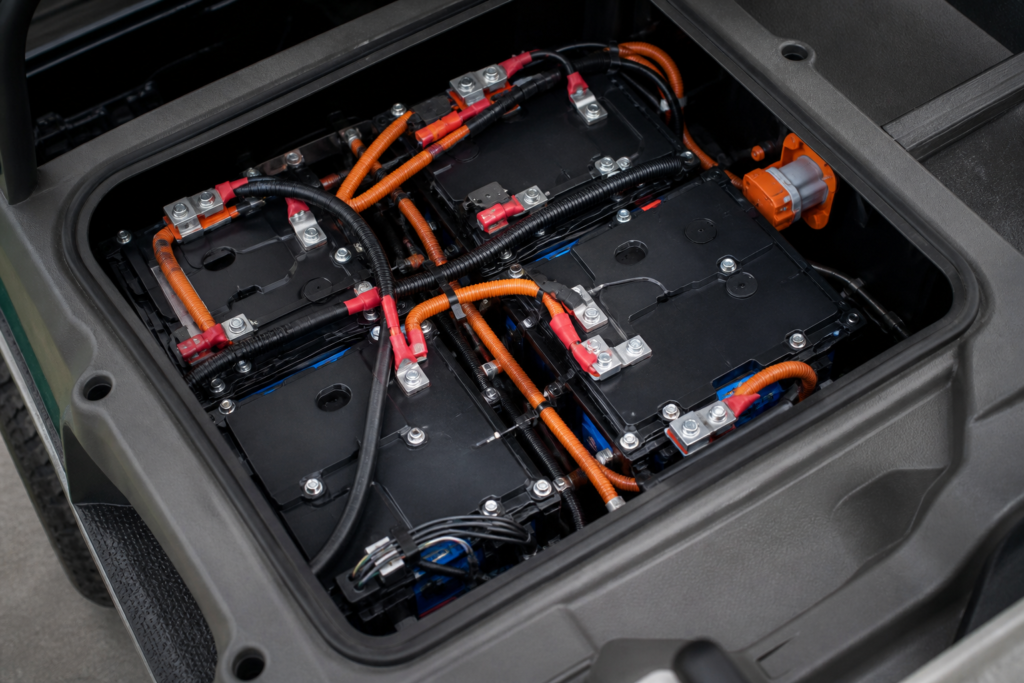
Lithium battery health is the cornerstone of a long-lasting and high-performing golf cart. For every golf cart owner, understanding and actively managing this vital aspect can dramatically extend the life of their investment and ensure reliable rides. This guide will unveil 9 powerful secrets to maintain optimal lithium battery health, transforming your approach to golf cart care.
From understanding the fundamentals of battery degradation to implementing smart charging habits and leveraging professional insights, we’ll cover everything you need to know. Our goal is to empower you with actionable knowledge, ensuring your golf cart’s lithium batteries deliver peak performance for years to come. Let’s dive into the essential practices that will safeguard your battery’s longevity.
Key Takeaways
- Master the art of optimal charging and temperature control to significantly extend your lithium battery health.
- Learn to identify early warning signs of declining battery performance to prevent major issues.
- Discover the critical role of Battery Management Systems (BMS) in safeguarding your golf cart’s power source.
- Understand when professional testing and replacement are necessary to maintain peak lithium battery health and performance.
Lithium Battery Health: 9 Powerful Secrets for Golf Cart Life
Understanding Lithium Battery Health: What It Is and How It Is Measured
Understanding lithium battery health is the first step toward maximizing your golf cart’s performance and lifespan. At its core, battery health refers to a battery’s ability to store and deliver electrical energy compared to its original, factory-rated capacity. This capacity naturally diminishes over time due to various factors, a process known as degradation.
The primary metric for measuring lithium battery health is the State of Health (SoH). SoH is expressed as a percentage, indicating the current maximum charge capacity relative to the battery’s design capacity when new. A battery with 80% SoH, for example, can only hold 80% of its original charge. Maintaining a high SoH is crucial for consistent golf cart operation.
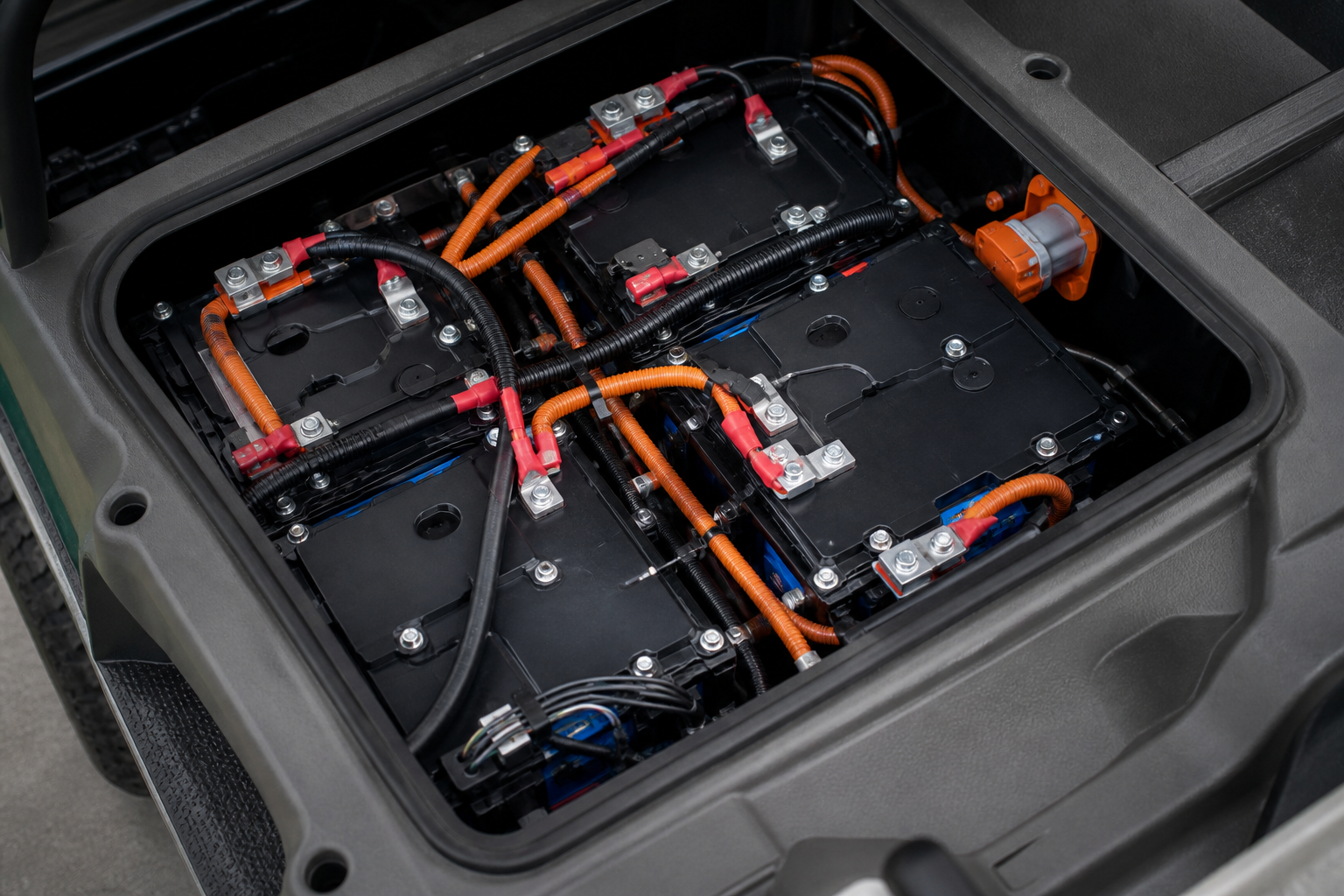
How Can I Check the Health of My Device’s Lithium Battery?
For golf carts equipped with modern lithium batteries, checking their health is often straightforward. Many advanced Battery Management Systems (BMS) provide real-time data on the battery’s status, including SoH, voltage, current, and temperature. This information might be accessible via the golf cart’s display panel, a dedicated mobile app, or specialized diagnostic tools.
Regularly monitoring these indicators can give you an early warning of any potential issues, allowing for proactive maintenance. For older systems or a more precise assessment, professional testing is recommended. This ensures an accurate evaluation of your lithium battery health.
Why Do Lithium Batteries Degrade Over Time, Impacting Health?
Lithium batteries degrade due to a complex interplay of chemical and physical changes within their cells. Each charge and discharge cycle causes microscopic alterations, leading to a gradual loss of active lithium and electrolyte decomposition. This reduces the battery’s ability to hold a charge and deliver power.
Key factors accelerating this degradation include high temperatures, deep discharges (running the battery to near empty), overcharging, and prolonged storage at either very high or very low states of charge. Understanding these mechanisms is vital for implementing strategies to preserve lithium battery health.
Secret 1: Optimal Charging Habits for Superior Lithium Battery Health
Your charging routine plays the most significant role in preserving lithium battery health. Unlike older lead-acid batteries, lithium-ion batteries do not benefit from being fully discharged or charged to 100% every time. In fact, these practices can accelerate degradation.
What Charging Habits Contribute to Maintaining Optimal Lithium Battery Health?
To maintain optimal lithium battery health, aim for partial charge cycles. Ideally, keep your battery’s charge level between 20% and 80%. This range minimizes stress on the battery’s chemistry, extending its lifespan considerably. Avoid leaving the battery fully charged or fully discharged for extended periods.
Always use the charger recommended by the battery manufacturer. These chargers are specifically designed to work with your battery’s chemistry and BMS, preventing overcharging or undercharging. While fast charging is convenient, it can generate more heat and stress the battery, so use it sparingly if possible.
Secret 2: Temperature Management for Peak Lithium Battery Health
Temperature is a silent but powerful enemy of lithium battery health. Both extreme heat and extreme cold can significantly impact performance and longevity. Managing the operating and storage temperature of your golf cart’s battery is crucial for its long-term well-being.
How Do Extreme Temperatures Affect the Health and Lifespan of Lithium Batteries?
High temperatures accelerate the chemical reactions that cause battery degradation, leading to a permanent loss of capacity. Prolonged exposure to heat can also increase the risk of thermal runaway, a dangerous condition where the battery overheats uncontrollably. Storing your golf cart in a cool, shaded area is paramount.
Conversely, very low temperatures reduce the battery’s available capacity and power output. Charging a lithium battery in freezing conditions can cause lithium plating, which permanently damages the cells and severely compromises lithium battery health. Always allow a cold battery to warm up before charging.
Secret 3: Recognizing Declining Lithium Battery Health Signs
Being able to spot the early indicators of declining lithium battery health can save you from unexpected breakdowns and costly repairs. Proactive identification allows you to address issues before they become critical, potentially extending the battery’s useful life or preparing for a timely replacement.
What Are the Common Signs That a Lithium Battery’s Health Is Declining?
One of the most noticeable signs is a reduced range or run-time on a full charge. If your golf cart isn’t going as far as it used to, it’s a strong indicator of diminished capacity. Slower charging times or the inability to reach a full charge are also red flags for compromised lithium battery health.
Other signs include unexpected shutdowns, especially under load, or a noticeable decrease in power, particularly when climbing inclines. In some rare cases, physical swelling of the battery pack can occur, which is a serious safety concern and requires immediate professional attention. Never ignore these warning signs.
Maximize Your Golf Cart’s Lithium Battery Health with Phoenix Golf Car
Ensure your electric golf cart runs at peak efficiency and experiences an extended lifespan with our expert battery services.
Trust Phoenix Golf Car for professional lithium battery health assessments, maintenance, and reliable replacements.
Secret 4: The Role of BMS in Preserving Lithium Battery Health
The Battery Management System (BMS) is the brain of your lithium battery pack, a sophisticated electronic system designed to protect and optimize lithium battery health. It constantly monitors various parameters and takes action to prevent damage, ensuring safe and efficient operation.
A well-designed BMS performs several critical functions, including cell balancing, overcharge and over-discharge protection, overcurrent protection, and temperature monitoring. It ensures that all cells within the battery pack are charged and discharged evenly, preventing individual cells from becoming stressed and extending the overall lifespan of the battery. Without a robust BMS, maintaining optimal lithium battery health would be nearly impossible.
Secret 5: Professional Testing for Accurate Lithium Battery Health Assessment
While onboard diagnostics offer valuable insights, nothing beats a professional assessment for a truly accurate picture of your lithium battery health. Experts have specialized equipment and knowledge to conduct thorough tests that can uncover hidden issues and provide precise data.
Where Can I Get My Lithium Battery Professionally Tested for Health?
You can get your lithium battery professionally tested for health at specialized battery service centers, golf cart dealerships, or authorized service providers like Phoenix Golf Car. These facilities possess advanced diagnostic tools that can perform comprehensive analyses, including capacity tests, internal resistance measurements, and detailed cell-by-cell evaluations. A professional test provides an objective assessment of your battery’s current SoH and can help predict its remaining lifespan, guiding your maintenance or replacement decisions. For reliable service, visit Phoenix Golf Car.
Secret 6: Lifespan Expectations and Enhancing Lithium Battery Health
Understanding the typical lifespan of lithium batteries helps set realistic expectations and informs your maintenance strategies. While lithium batteries are known for their longevity, their exact lifespan depends heavily on usage patterns and care.
What Are the Typical Expected Lifespans for Different Types of Lithium Batteries in Terms of Health?
For golf carts, lithium iron phosphate (LiFePO4) batteries are common and typically offer an impressive lifespan of 2,000 to 5,000 charge cycles, or 8-10 years, before significant degradation in lithium battery health occurs. This is significantly longer than traditional lead-acid batteries. Factors like consistent partial charging, avoiding extreme temperatures, and a robust BMS contribute to achieving the upper end of this range. For more detailed information on battery longevity, you can refer to resources like Battery University’s guide on prolonging lithium battery life.
Can a Degraded Lithium Battery’s Health Be Restored or Improved?
Generally, a significantly degraded lithium battery health cannot be fully restored to its original capacity. Once chemical degradation occurs, it is largely irreversible. While some minor improvements might be observed through proper rebalancing by a BMS or controlled charging, these are usually temporary and do not reverse the fundamental loss of capacity. For batteries with substantial degradation, replacement is typically the most effective solution to restore performance and reliability.
Secret 7: Choosing Brands Known for Robust Lithium Battery Health
The brand and quality of your lithium battery significantly influence its long-term lithium battery health and durability. Investing in a reputable brand often means benefiting from superior engineering, advanced BMS technology, and higher-quality cells.
Which Lithium Battery Brands Are Known for Their Long-Term Health and Durability?
Several brands have established strong reputations for producing high-quality lithium batteries for golf carts. Companies like Battle Born Batteries, Allied Lithium, and RoyPow are frequently cited for their robust construction, integrated BMS, and excellent longevity. These brands often come with comprehensive warranties, reflecting their confidence in product durability and sustained lithium battery health.
Are There Specific Models or Types of Lithium Batteries Recommended for Their Health Performance?
For golf carts, LiFePO4 (Lithium Iron Phosphate) batteries are highly recommended due to their inherent stability, safety, and long cycle life. Within this category, look for models that feature an advanced, integrated BMS, which is crucial for protecting the battery from various stressors. Batteries designed for deep-cycle applications are also ideal, as they are built to withstand the regular discharge and charge cycles typical of golf cart use, ensuring sustained lithium battery health.
Secret 8: Monitoring Tools and Apps for Proactive Lithium Battery Health
In today’s connected world, technology offers powerful tools to help you proactively monitor and manage your lithium battery health. Utilizing dedicated apps and monitoring devices can provide real-time data and alerts, empowering you to make informed decisions about your battery’s care.
What Are the Best Apps or Tools for Monitoring Lithium Battery Health?
Many modern lithium golf cart batteries come with proprietary Bluetooth-enabled apps that connect directly to the battery’s BMS. These apps typically display crucial metrics such as State of Charge (SoC), voltage, current, temperature, and even State of Health (SoH). Examples include apps from Battle Born, Allied Lithium, or RoyPow, which offer intuitive interfaces for monitoring lithium battery health.
Beyond brand-specific apps, universal battery monitors can be installed to provide similar data. These devices often feature clear displays or connect to smartphone apps, offering a comprehensive overview of your battery’s performance and health status. Regular checks through these tools can help you identify anomalies early.
Secret 9: When to Replace: Addressing Poor Lithium Battery Health
Despite the best care, all batteries eventually reach the end of their useful life. Knowing when to replace your lithium battery is crucial for maintaining golf cart performance and avoiding being stranded. Poor lithium battery health can lead to unreliable operation and diminished enjoyment of your golf cart.
How Much Does It Cost to Replace a Lithium Battery if Its Health Is Poor?
The cost to replace a lithium battery for a golf cart can vary significantly based on the battery’s capacity, brand, and the specific golf cart model. Generally, you can expect to pay anywhere from $1,500 to $4,000 or more for a high-quality replacement lithium battery pack. While this is a significant investment, the extended lifespan, lighter weight, and consistent performance often justify the initial cost, especially when considering long-term lithium battery health benefits.
Where Can I Purchase a Reliable Replacement Lithium Battery?
Reliable replacement lithium batteries can be purchased from authorized golf cart dealerships, specialized battery retailers, and reputable online suppliers. It’s essential to buy from sources that offer genuine products with valid warranties. Always ensure the replacement battery is compatible with your golf cart’s electrical system and charger. Consulting with experts can help you choose the right battery for your needs.
What Are the Recommended Professional Services for Lithium Battery Replacement Due to Poor Health?
When your lithium battery health declines to the point of needing replacement, professional installation is highly recommended. Services like Phoenix Golf Car specialize in golf cart battery replacement. They ensure proper installation, correct wiring, and optimal integration with your golf cart’s existing systems. Professional services also typically include disposal of the old battery and can offer valuable advice on maintaining your new battery’s health.
Your Ultimate Guide to Unstoppable Lithium Battery Health
Mastering the secrets to optimal lithium battery health is not just about extending the life of your golf cart’s power source; it’s about ensuring consistent performance, reliability, and peace of mind on the course. By embracing optimal charging habits, managing temperatures, understanding your BMS, and leveraging professional insights, you can significantly prolong your battery’s lifespan.
From recognizing the subtle signs of degradation to making informed decisions about replacement, each secret contributes to a holistic approach to battery care. Remember, a well-maintained lithium battery is the heart of a high-performing golf cart. Invest in its health, and it will serve you faithfully for countless rounds to come. For expert advice and services, don’t hesitate to reach out to trusted professionals.
Frequently Asked Questions About Lithium Battery Health
What is lithium battery health and how is it measured?
Lithium battery health refers to its ability to hold a charge and deliver power compared to its original capacity. It’s primarily measured by State of Health (SoH), indicating the current maximum charge capacity as a percentage of the design capacity. A healthy battery retains a high SoH, ensuring consistent performance.
How can I check the health of my device’s lithium battery?
Many modern devices, including golf carts with advanced Battery Management Systems (BMS), offer built-in diagnostic tools to check lithium battery health. You can often find this information in the vehicle’s display, a companion app, or by using a specialized battery tester. Professional testing provides the most accurate assessment.
Why do lithium batteries degrade over time, impacting health?
Lithium batteries degrade due to chemical changes within the cells, primarily related to the loss of active lithium and electrolyte decomposition. Factors like charge cycles, high temperatures, deep discharges, and prolonged storage at full or empty states accelerate this degradation, reducing overall lithium battery health.
What charging habits contribute to maintaining optimal lithium battery health?
To maintain optimal lithium battery health, avoid consistently charging to 100% or discharging to 0%. Aim for partial charges (e.g., 20% to 80%). Use the manufacturer’s recommended charger and avoid fast charging unless specified. Consistent, moderate charging practices significantly extend a battery’s lifespan.
How do extreme temperatures affect the health and lifespan of lithium batteries?
Extreme temperatures severely impact lithium battery health. High temperatures accelerate degradation and can lead to thermal runaway, while very low temperatures reduce capacity and power delivery, potentially causing irreversible damage. Storing and operating batteries within their recommended temperature range is crucial.
What are the common signs that a lithium battery’s health is declining?
Signs of declining lithium battery health include reduced range or run-time, slower charging, inability to hold a full charge, unexpected shutdowns, and visual swelling of the battery pack. In golf carts, you might notice decreased speed or power on inclines.
Can a degraded lithium battery’s health be restored or improved?
Generally, a degraded lithium battery’s health cannot be fully restored to its original capacity. While some minor improvements might be seen through proper rebalancing or controlled charging, chemical degradation is largely irreversible. Replacement is usually the solution for significantly degraded batteries.
What are the typical expected lifespans for different types of lithium batteries in terms of health?
The lifespan of lithium batteries, especially those for golf carts, typically ranges from 2,000 to 5,000 charge cycles, or 8-10 years, before significant degradation in lithium battery health occurs. This varies based on chemistry (e.g., LiFePO4 often has longer cycles) and usage conditions.
Where can I get my lithium battery professionally tested for health?
You can get your lithium battery professionally tested for health at specialized battery service centers, golf cart dealerships, or authorized service providers like Phoenix Golf Car. These experts have the necessary diagnostic equipment to accurately assess your battery’s condition and recommend appropriate actions.