Maintaining your golf cart’s performance and safety begins with diligent golf cart tire care. These often-overlooked components are crucial for a smooth ride, efficient operation, and preventing costly issues down the road. Just like with any vehicle, proper maintenance of your golf cart tires can significantly extend their lifespan and ensure a reliable experience every time you hit the course or cruise your community.
In this comprehensive guide, we will delve into the essential practices that constitute optimal golf cart tire care. We’ll cover everything from maintaining correct pressure to identifying signs of wear and understanding when it’s time for replacement. By implementing these expert tips, you can enhance your golf cart’s handling, improve its energy efficiency, and safeguard your investment for years to come. Discover how simple, consistent attention to your tires can make an incredible difference.
Key Takeaways
- Understand the critical role of proper inflation in extending the life and performance of your golf cart tires.
- Learn to identify common signs of wear, damage, and when your golf cart tires require professional attention or replacement.
- Discover practical strategies to prevent common issues like dry rot and uneven wear, saving you money and enhancing safety.
- Gain insights into selecting the right tires for your driving environment and how professional services can optimize your golf cart’s performance.
Understanding Essential Golf Cart Tire Care
The foundation of optimal golf cart performance lies in meticulous golf cart tire care. Unlike car tires, golf cart tires operate under different conditions, often carrying varying loads and navigating diverse terrains, from manicured greens to paved paths and even off-road trails. These unique demands necessitate a specific approach to maintenance to ensure longevity, safety, and efficiency.
Ignoring proper tire maintenance can lead to a host of problems. Underinflated tires can reduce battery life in electric carts, increase fuel consumption in gas models, and cause sluggish handling. Overinflation can lead to a harsh ride, reduced traction, and premature wear in the center of the tread. Both scenarios compromise safety and accelerate the need for costly replacements. Investing a small amount of time in regular golf cart tire care can prevent these issues and keep your cart running smoothly.
Proper tire maintenance isn’t just about avoiding problems; it’s about maximizing your golf cart’s potential. Well-maintained tires provide better grip, more responsive steering, and a more comfortable ride. They also contribute to the overall safety of your vehicle, reducing the risk of blowouts or accidents. Consider this guide your comprehensive resource for mastering the art of golf cart tire maintenance, ensuring every journey is a pleasure.
For more in-depth information on general tire maintenance standards, consult authoritative guides such as those from the Tire Rack Tire Tech Information.
(Note: This is an example; replace with a highly authoritative and relevant external link.)
The Importance of Regular Golf Cart Tire Care
Regular golf cart tire care is not merely a recommendation; it is a necessity for anyone who values their golf cart’s performance and their own safety. Tires are the sole point of contact between your cart and the ground, directly influencing everything from acceleration and braking to steering and stability. Neglecting them can lead to unpredictable handling, increased stopping distances, and a higher risk of accidents.
Beyond safety, consistent tire maintenance also impacts your wallet. Premature tire wear, often caused by improper inflation or alignment, means you’ll be buying new tires more frequently. For electric golf carts, underinflated tires force the motor to work harder, draining the battery faster and reducing your range. For gas carts, it means more trips to the pump. Simple, routine checks can save you significant money in the long run.
Moreover, proper golf cart tire care helps preserve the value of your investment. A golf cart with well-maintained tires and a smooth ride is more enjoyable to own and will fetch a better resale price should you decide to upgrade. It reflects a commitment to overall vehicle health, signaling to potential buyers that the cart has been well looked after.
Understanding Golf Cart Tire Specifications
Before diving into specific maintenance tips, it’s crucial to understand the specifications of your golf cart tires. Most golf cart tires are not designed for highway speeds and have a lower maximum PSI compared to automotive tires. Always check the sidewall of your tire for its specific load rating and recommended pressure. This information is your primary guide for effective golf cart tire care.
Tire size is also important. Common sizes include 18×8.5-8, 205/50-10, or 22×10-10, with the numbers indicating height, width, and rim diameter. Using the correct size ensures proper fitment and maintains the cart’s intended ride height and handling characteristics. Different tread patterns are available for various terrains, from turf-friendly designs for golf courses to more aggressive treads for off-road use. Matching your tires to your primary use case is a fundamental aspect of smart golf cart tire care.
Finally, consider the ply rating. This indicates the tire’s strength and load-carrying capacity. Most golf cart tires have a 2-ply or 4-ply rating. If you frequently carry heavy loads or multiple passengers, a higher ply rating can offer greater durability and resistance to punctures. Understanding these specifications empowers you to make informed decisions about your golf cart’s tires. 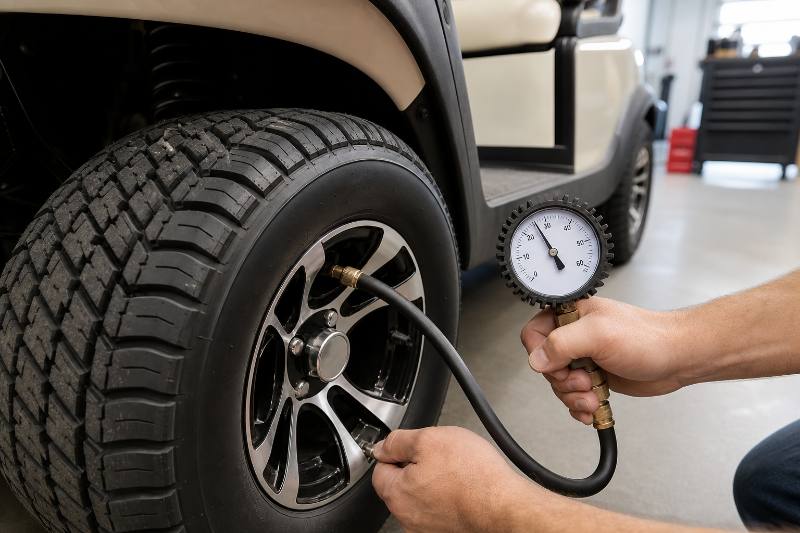
8 Essential Tips for Optimal Golf Cart Tire Care
Achieving optimal performance and longevity for your golf cart hinges on consistent and informed golf cart tire care. These eight essential tips cover the most critical aspects of tire maintenance, providing you with a clear roadmap to keep your golf cart running safely and efficiently. By integrating these practices into your routine, you can significantly reduce wear, prevent common problems, and ensure a smooth, enjoyable ride every time.
Tip 1: Maintain Proper Golf Cart Tire Pressure
Maintaining the correct tire pressure is arguably the most vital aspect of golf cart tire care. The recommended tire pressure for most golf cart tires typically ranges from 18 to 22 PSI (pounds per square inch). However, it is absolutely crucial to consult your golf cart’s owner’s manual or the sidewall of the tire itself for the exact manufacturer’s specification. These numbers are specifically engineered for your tire’s design and your cart’s weight distribution.
How often should golf cart tires be checked for proper inflation? For optimal golf cart tire care, you should check your tire pressure at least once a month, or before every significant use. Temperature changes can significantly affect tire pressure, causing it to fluctuate. A drop in temperature can lead to a decrease in PSI, while warmer weather can cause it to rise. Regular checks ensure they remain within the recommended PSI range, which is critical for safety, efficiency, and preventing premature wear. Use a reliable tire gauge for accuracy.
Tip 2: Inspect Your Golf Cart Tires Regularly
A visual inspection of your golf cart tires should be a routine part of your golf cart tire care regimen. Look for any visible signs of damage, such as cuts, cracks, bulges, or punctures. Pay close attention to the sidewalls, as these areas are prone to dry rot, especially in sunny climates. Also, check for any foreign objects embedded in the tread, like nails or sharp stones, which could lead to slow leaks or sudden flats.
What are the signs that golf cart tires need to be replaced? Key indicators for golf cart tire replacement include visible cracks or dry rot on the sidewalls, insufficient tread depth (less than 1/16 inch), bulging or deformation, or frequent punctures. If you notice any of these issues, it’s time to consider new golf cart tires for safety and performance. Early detection of problems can prevent more serious issues and ensure your cart remains safe to operate.
Tip 3: Prevent Uneven Golf Cart Tire Wear
Why are my golf cart tires wearing out unevenly? Uneven tire wear on golf cart tires often indicates underlying mechanical issues that require attention. Common culprits include improper tire pressure (both over- and under-inflation can cause distinct wear patterns), misaligned wheels, or worn suspension components. For instance, wear on one side of the tread might suggest an alignment problem, while wear in the center or on the shoulders points to incorrect inflation.
To prevent uneven wear, regular inspection and professional alignment are essential parts of comprehensive golf cart tire care. If you notice any unusual wear patterns, have a qualified technician inspect your cart’s suspension and alignment. Addressing these issues promptly will not only extend the life of your tires but also improve your cart’s handling and safety.
Tip 4: Know When to Replace Your Golf Cart Tires
Knowing when to replace your golf cart tires is crucial for safety and performance. Beyond visible damage like deep cracks or bulges, tread depth is a primary indicator. Most golf cart tires should be replaced when the tread depth falls below 1/16 of an inch. You can use a tread depth gauge or the “penny test” (insert a penny head-first into a tread groove; if you can see Lincoln’s entire head, your tread is too shallow).
Even if the tread looks good, age can be a factor. What causes dry rot on golf cart tires? Dry rot is primarily caused by prolonged exposure to UV radiation (sunlight), heat, and ozone, which break down the rubber compounds. Infrequent use and improper storage can also accelerate this process, leading to cracks and reduced tire integrity. Tires over 5-7 years old, even with good tread, may have compromised structural integrity due to dry rot and should be inspected by a professional. This is a critical aspect of diligent golf cart tire care.
Tip 5: Extend Golf Cart Tire Lifespan
How can I extend the lifespan of my golf cart tires? To maximize the life of your golf cart tires, several proactive measures are key. Firstly, consistently maintain correct tire pressure as discussed. Secondly, rotate your tires periodically. When should I consider rotating my golf cart tires? Consider rotating your golf cart tires every 1,000 to 2,000 miles, or annually, to ensure even wear across all four tires.
Thirdly, avoid overloading your golf cart beyond its manufacturer-specified weight capacity. Excessive weight puts undue stress on the tires, leading to faster wear and potential damage. Fourthly, drive responsibly; avoid sudden stops, rapid acceleration, and sharp turns, which can scuff and wear down treads quickly. Finally, store your cart in a cool, dry place away from direct sunlight when not in use. Using tire covers can also protect them from harmful UV rays, which contribute to dry rot. Proper golf cart tire care is a holistic approach.
Tip 6: Clean and Condition Your Tires Properly
How do you properly clean and condition golf cart tires? Regular cleaning and conditioning are often overlooked but vital steps in comprehensive golf cart tire care. Dirt, grime, and environmental contaminants can degrade rubber over time. To clean your tires, use a mild soap and water solution with a soft brush or sponge. Avoid harsh chemical cleaners or petroleum-based products, as these can strip away protective compounds and accelerate dry rot.
After cleaning, consider applying a non-petroleum-based tire conditioner or protectant. These products help to moisturize the rubber, protect against UV damage, and maintain the tire’s elasticity, further preventing the onset of dry rot. Always ensure the product is specifically designed for rubber tires and follow the manufacturer’s instructions. A clean, conditioned tire not only looks better but also performs better and lasts longer.
Tip 7: Prevent Punctures in Your Golf Cart Tires
How can I prevent punctures in my golf cart tires? Preventing punctures is a proactive aspect of golf cart tire care that can save you time and hassle. Regularly inspect your driving paths for debris such as sharp rocks, glass, or nails, especially if you frequently drive off-road or in areas prone to litter. Clearing your immediate driving environment can significantly reduce the risk of encountering puncture hazards.
Maintaining proper tire pressure also plays a role; underinflated tires are more susceptible to punctures and impact damage. For added protection, consider using tire sealants, which can automatically seal small punctures as they occur. Alternatively, some golf cart owners opt for puncture-resistant tires, which feature reinforced construction. While no method guarantees absolute immunity, these strategies can greatly reduce the likelihood of a flat tire.
Tip 8: Consider Professional Golf Cart Tire Services
While many aspects of golf cart tire care can be handled by the owner, certain services are best left to professionals. This includes tire mounting and balancing, wheel alignment, and complex puncture repairs. Professional technicians have the specialized equipment and expertise to perform these tasks accurately, ensuring your tires are properly installed and your cart’s steering and suspension are correctly calibrated.
Who specializes in golf cart tire repair near me? For specialized golf cart tire repair, consider contacting Phoenix Golf Car in Pompano Beach, FL. They offer comprehensive maintenance and repair services for all major golf cart brands, including expert tire care, replacement, and alignment to ensure your cart runs smoothly and safely. Regular professional check-ups can catch potential issues before they become major problems, providing peace of mind and extending the life of your golf cart. 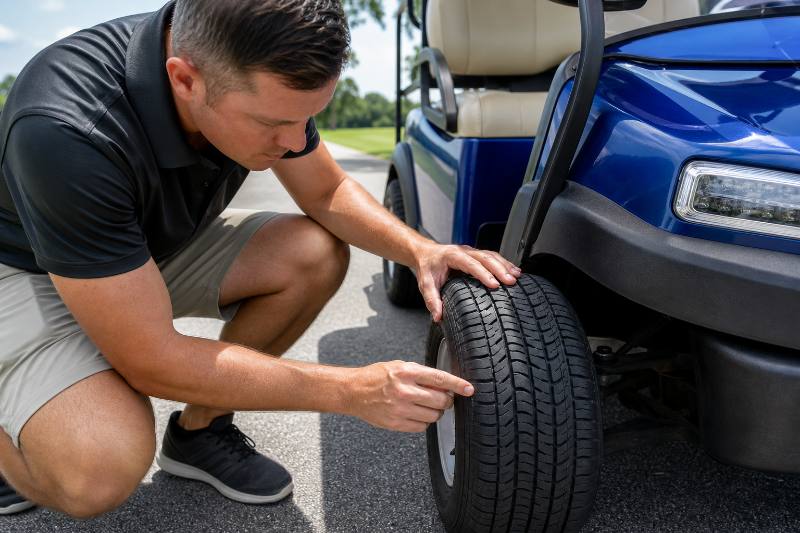
Advanced Golf Cart Tire Care & Maintenance
Beyond the essential daily and weekly checks, advanced golf cart tire care involves understanding more nuanced aspects of tire health and performance. This includes considerations for specific driving conditions, the benefits of professional alignment, and the availability of specialized repair kits. A deeper dive into these areas can further optimize your golf cart’s efficiency and ensure its longevity.
One often-overlooked aspect is the impact of storage. If your golf cart is stored for extended periods, especially during off-seasons, it’s crucial to elevate the cart to take weight off the tires. This prevents flat spots from developing, which can lead to vibrations and uneven wear once the cart is back in use. If lifting isn’t possible, periodically moving the cart a few feet can help redistribute the weight and prevent prolonged pressure on one section of the tire. This proactive measure is a simple yet effective part of advanced golf cart tire care.
Where to Purchase a Repair Kit for a Flat Golf Cart Tire
A flat tire can happen unexpectedly, even with the best golf cart tire care. Having a repair kit on hand can be a lifesaver, allowing for quick temporary fixes to get you back to the garage or a service center. You can purchase a repair kit for a flat golf cart tire at most automotive parts stores, online retailers like Amazon, or specialized golf cart dealerships. These kits typically include tire plugs, a reamer, an insertion tool, and rubber cement.
While a repair kit is excellent for emergencies, it’s important to remember that tire plugs are often considered temporary solutions. For significant punctures or sidewall damage, professional repair or replacement is highly recommended. A professional can properly assess the damage and ensure the tire is safely repaired or replaced, maintaining the integrity of your golf cart’s performance and your safety.
Why is Proper Golf Cart Tire Alignment Important?
Proper golf cart tire alignment is crucial for ensuring even tire wear, improving steering control, and maximizing fuel or battery efficiency. Misalignment can lead to premature tire degradation, poor handling, and increased strain on suspension components. When your wheels are out of alignment, tires drag instead of roll smoothly, causing rapid and uneven wear patterns. This not only shortens tire life but also makes your golf cart harder to steer and less stable, especially at higher speeds.
Regular alignment checks, typically once a year or if you notice any steering issues, are a vital part of comprehensive golf cart tire care. A professional alignment ensures that all four wheels are pointing in the correct direction relative to each other and to the road. This precision adjustment optimizes tire contact with the ground, promoting even wear and enhancing overall driving dynamics. It’s an investment that pays off in extended tire life and improved ride quality.
Elevate Your Golf Cart Tire Care with Phoenix Golf Car
Ensure your golf cart performs at its peak with expert tire services from Phoenix Golf Car. We provide precise tire inspection, repair, and replacement solutions to keep you safely on the course or cruising your community.
Choosing the Right Golf Cart Tires for Your Needs
Selecting the appropriate tires for your golf cart is a fundamental decision that impacts performance, comfort, and longevity. The
What is the recommended tire pressure for golf cart tires?
The recommended tire pressure for most golf cart tires typically ranges from 18 to 22 PSI (pounds per square inch). Always check your golf cart’s owner’s manual or the sidewall of the tire itself for the exact manufacturer’s specification. Maintaining the correct pressure is crucial for optimal performance, handling, and tire longevity.
How often should golf cart tires be checked for proper inflation?
For optimal golf cart tire care, you should check your tire pressure at least once a month, or before every significant use. Temperature changes can affect tire pressure, so regular checks ensure they remain within the recommended PSI range for safety and efficiency.
Why are my golf cart tires wearing out unevenly?
Uneven tire wear on golf cart tires often indicates issues such as improper tire pressure (over or under inflation), misaligned wheels, or worn suspension components. Regular inspection and professional alignment can diagnose and correct these problems, extending tire life.
What are the signs that golf cart tires need to be replaced?
Key signs for golf cart tire replacement include visible cracks or dry rot on the sidewalls, insufficient tread depth (less than 1/16 inch), bulging or deformation, or frequent punctures. If you notice any of these, it’s time to consider new golf cart tires for safety and performance.
How can I extend the lifespan of my golf cart tires?
To extend the lifespan of your golf cart tires, maintain correct tire pressure, rotate them periodically, avoid overloading your golf cart, drive responsibly to prevent sudden stops or turns, and store your cart in a cool, dry place away from direct sunlight. Proper golf cart tire care is key.
What causes dry rot on golf cart tires?
Dry rot on golf cart tires is primarily caused by prolonged exposure to UV radiation (sunlight), heat, and ozone, which break down the rubber compounds. Infrequent use and improper storage can also accelerate this process, leading to cracks and reduced tire integrity.
Who specializes in golf cart tire repair near me?
For specialized golf cart tire repair near you, consider contacting Phoenix Golf Car in Pompano Beach, FL. They offer comprehensive maintenance and repair services for all major golf cart brands, including expert tire care, replacement, and alignment to ensure your cart runs smoothly and safely.
Why is proper golf cart tire alignment important?
Proper golf cart tire alignment is crucial for ensuring even tire wear, improving steering control, and maximizing fuel or battery efficiency. Misalignment can lead to premature tire degradation, poor handling, and increased strain on suspension components, making regular checks part of essential golf cart tire care.