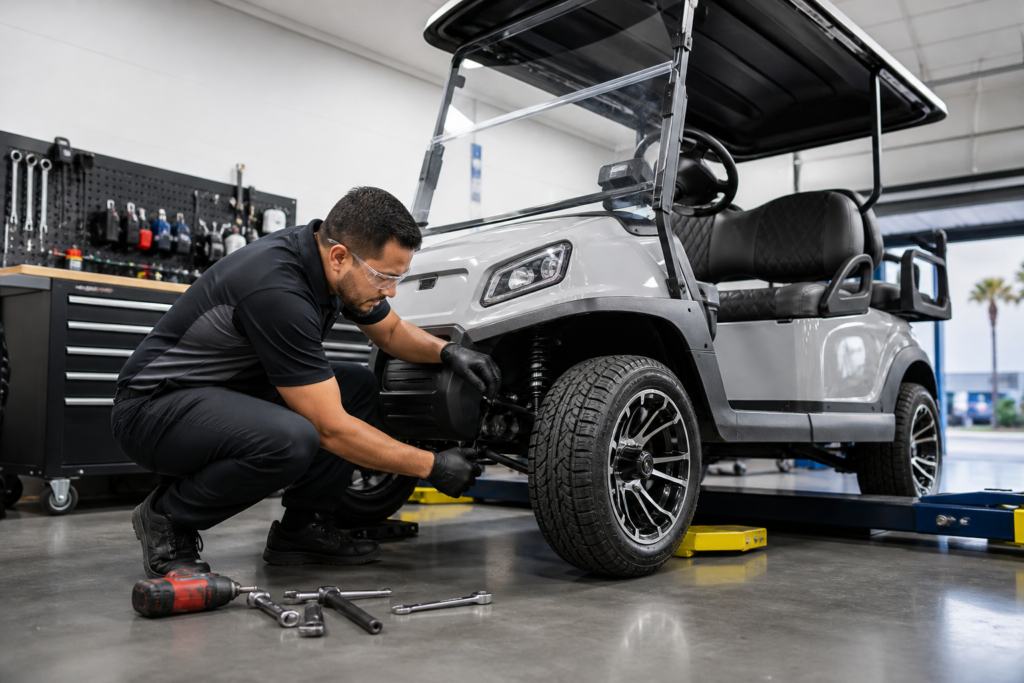
Golf Cart Safety Checks are not just a recommendation; they are a fundamental requirement for anyone operating these versatile vehicles. Ensuring your golf cart is in optimal condition protects you, your passengers, and others around you, whether you’re on the course, in a community, or using it for utility. Neglecting routine maintenance can lead to unexpected breakdowns, costly repairs, and, most importantly, serious safety hazards. This guide outlines 5 critical, essential steps to keep your golf cart running safely and reliably for years to come. We believe that proactive care is the best defense against potential issues, providing you with peace of mind every time you take the wheel. Our goal is to empower you with the knowledge to perform essential inspections and understand when professional attention is needed.
Key Takeaways
- Understand the 5 absolutely essential Golf Cart Safety Checks you should perform regularly.
- Learn detailed steps for inspecting critical components like brakes and steering to prevent accidents.
- Discover how proactive Golf Cart Safety Checks can prevent common issues and unexpected breakdowns.
- Identify the specific road-readiness Golf Cart Safety Checks legally required for public road operation.
- Recognize the crucial role of professional Golf Cart Safety Checks and when to schedule expert service.
Golf Cart Safety Checks: 5 Critical, Essential Steps You Can’t Ignore
What Daily Golf Cart Safety Checks Are Absolutely Essential?
Daily Golf Cart Safety Checks are your first line of defense against potential hazards. Before every ride, a quick but thorough inspection can save you from inconvenient breakdowns and ensure a safe journey. These routine checks are non-negotiable for responsible golf cart ownership and operation. They help you identify minor issues before they escalate into major problems.
Here’s a simple checklist for your daily pre-ride Golf Cart Safety Checks:
- Tire Pressure: Ensure all tires are inflated to the manufacturer’s recommended PSI. Under-inflated tires affect handling and can lead to blowouts.
- Battery Charge/Fuel Level: For electric carts, verify the battery indicator shows sufficient charge. For gas carts, check the fuel gauge.
- Lights and Horn: Test headlights, taillights, brake lights, and turn signals. Confirm the horn is working properly for signaling.
- Steering Responsiveness: Check for excessive play or stiffness in the steering wheel. The steering should feel smooth and responsive.
- Mirrors: Adjust rearview and side mirrors for clear visibility, ensuring you can see your surroundings.
These basic Golf Cart Safety Checks take only a few minutes but provide immense value in preventing accidents. They are fundamental for safe operation, whether you’re navigating a golf course or a residential street. Consistent attention to these details will significantly enhance your driving experience.
Regular visual inspections are also part of effective Golf Cart Safety Checks. Look for any loose wires, unusual leaks, or visible damage to the frame or body. Addressing these small concerns promptly can prevent them from becoming larger, more expensive problems down the line. Your vigilance ensures continued reliability.
How to Perform Critical Golf Cart Safety Checks on Brakes and Steering?
Brakes and steering are paramount for controlling your golf cart, making their inspection a critical part of any comprehensive Golf Cart Safety Checks. Malfunctioning brakes or loose steering can lead to serious accidents. You must regularly assess these systems to guarantee your safety and the safety of others. This goes beyond a quick glance, requiring a more hands-on approach.
Testing your golf cart’s braking system involves several key steps:
- Brake Pedal Function: Slowly drive your golf cart on a flat, open surface. Apply the brake pedal firmly but smoothly. The cart should stop quickly and in a straight line, without pulling to one side.
- Parking Brake Engagement: Test the parking brake on a slight incline. Engage the parking brake and ensure it holds the cart securely without any roll. A failing parking brake is a significant safety risk.
- Brake Pad Inspection: Visually inspect the brake pads (if accessible) for wear. Worn pads will reduce braking efficiency. If you hear grinding noises, it’s a clear sign of worn pads.
- Brake Fluid Level (Hydraulic Systems): For carts with hydraulic brakes, check the brake fluid reservoir. Ensure the fluid level is between the minimum and maximum marks. Low fluid can indicate a leak or worn components.
Beyond the brakes, steering and suspension components require thorough Golf Cart Safety Checks. Check for excessive play in the steering wheel by wiggling it gently while the cart is stationary. Any significant looseness indicates worn tie rods or steering linkages. These components are vital for maintaining control.
Inspect the suspension for any broken springs, worn shock absorbers, or damaged bushings. A healthy suspension ensures a smooth ride and proper handling, especially over uneven terrain. These detailed Golf Cart Safety Checks contribute directly to accident prevention. For more information on vehicle safety standards, you can refer to resources from the National Highway Traffic Safety Administration (NHTSA).
Which Golf Cart Safety Checks Prevent Common Issues and Breakdowns?
Beyond daily routines, periodic Golf Cart Safety Checks are essential for preventing common issues and unexpected breakdowns. These inspections delve deeper into the cart’s mechanical and electrical systems, addressing wear and tear that accumulates over time. Proactive maintenance in these areas extends your golf cart’s lifespan and ensures consistent performance. It’s about catching problems before they leave you stranded.
For electric golf carts, battery health is paramount. Regularly inspect battery terminals for corrosion, which appears as a white or blue powdery substance. Clean any corrosion with a wire brush and a baking soda solution. Ensure all battery cables are securely connected and free from fraying or damage. Proper battery maintenance is a cornerstone of effective Golf Cart Safety Checks.
Gas-powered golf carts have their own specific requirements. Check the oil level, air filter, and fuel lines. A dirty air filter can reduce engine performance, while old or cracked fuel lines pose a fire risk. Always ensure the fuel cap is securely fastened. These specific Golf Cart Safety Checks are crucial for engine longevity and safe operation.
Universal checks apply to both electric and gas models. Inspect all cable connections for tightness and signs of wear. Check seat belts for fraying or damage, ensuring they latch securely. Look for any unusual noises during operation or strange odors, which can signal underlying mechanical or electrical issues. These comprehensive Golf Cart Safety Checks help maintain overall vehicle integrity.
A quick check of the tires for uneven wear patterns can also indicate alignment issues or suspension problems. Addressing these early can prevent more significant repairs. By consistently performing these Golf Cart Safety Checks, you invest in the reliability and safety of your vehicle, avoiding costly surprises. This proactive approach ensures your cart is always ready for your next adventure.
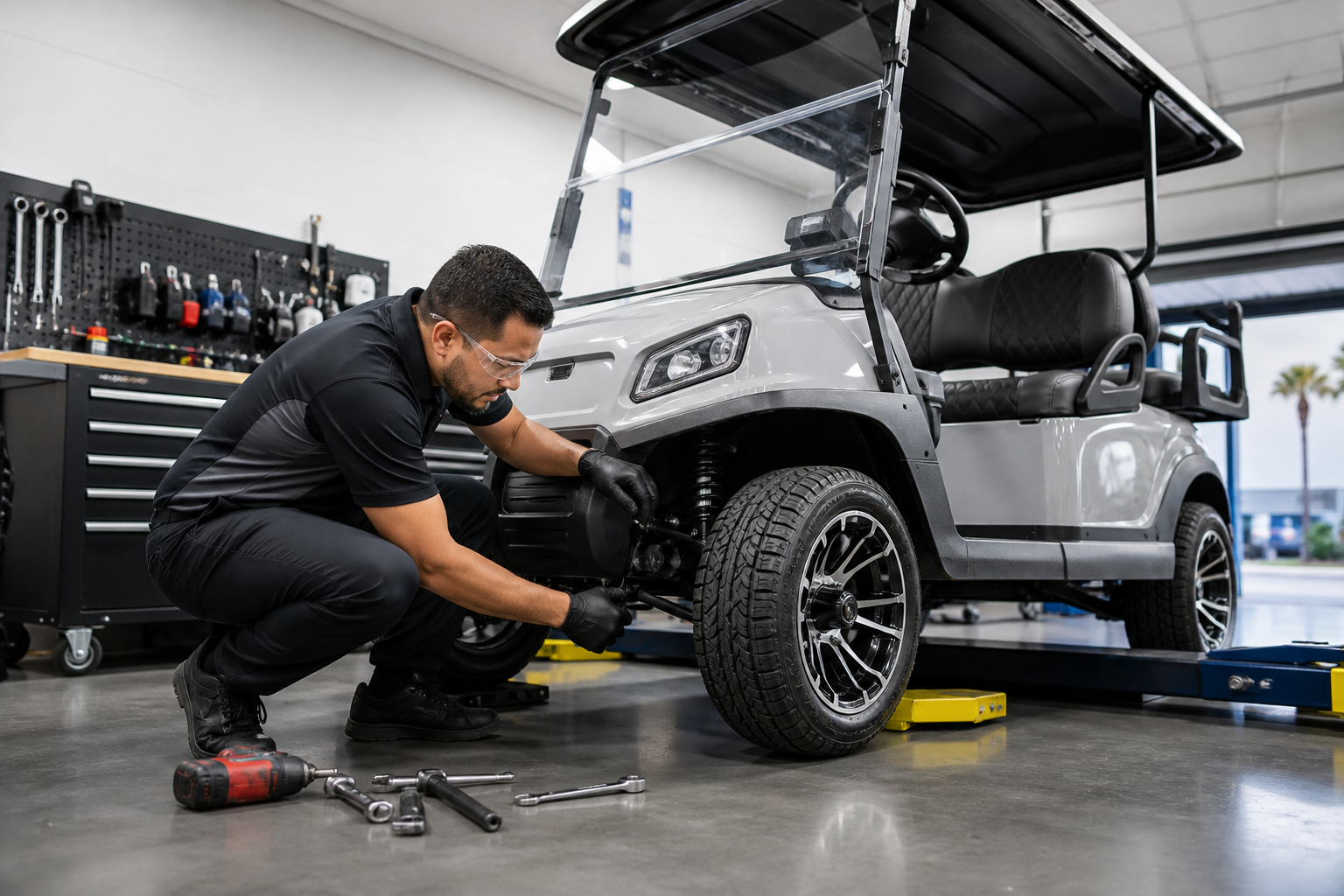
What Road-Readiness Golf Cart Safety Checks Are Legally Required?
Operating your golf cart on public roads in areas like Pompano Beach, FL, requires specific road-readiness Golf Cart Safety Checks to comply with local regulations. These checks ensure your vehicle is visible and can communicate with other traffic, preventing accidents and legal issues. Ignoring these requirements can result in fines or even serious incidents. It’s crucial to understand and adhere to these standards.
Key components for road-readiness include:
- Headlights: Must be fully functional and provide adequate illumination for night driving.
- Taillights and Brake Lights: Essential for visibility from the rear, especially when stopping.
- Turn Signals: Required for clearly indicating your intentions to other drivers.
- Reflective Elements: Additional reflectors can enhance visibility, particularly during dawn or dusk.
- Rearview Mirror: A functional rearview mirror is necessary for monitoring traffic behind you.
- Horn: A working horn is vital for alerting pedestrians and other vehicles.
- Seat Belts: If your golf cart is equipped with seat belts, ensure they are in good condition and used by all occupants.
Local ordinances in Pompano Beach, Florida, may have specific requirements for golf cart operation on public streets, such as speed limits or designated routes. Always consult your local Department of Motor Vehicles or municipal website for the most current information. These specific Golf Cart Safety Checks are not just about compliance; they are about integrating safely into the flow of traffic. Ensuring all these features work correctly is a vital aspect of responsible golf cart ownership.
Beyond the basic lighting, some jurisdictions may require additional safety equipment, such as windshields, wipers, or even specific tire types. Staying informed about these regulations is part of comprehensive Golf Cart Safety Checks. Phoenix Golf Car understands these local nuances and can help ensure your cart meets all necessary road-readiness standards. We are here to assist you in navigating these requirements.
Why Are Professional Golf Cart Safety Checks Crucial, and When Do You Need Them?
While daily and periodic inspections are vital, professional Golf Cart Safety Checks offer a level of thoroughness that DIY efforts cannot match. Expert technicians possess specialized tools and in-depth knowledge to diagnose hidden issues, ensuring every component meets stringent safety standards. These comprehensive inspections are crucial for long-term reliability and peace of mind, especially for complex systems you might not be able to check yourself.
You should consider professional Golf Cart Safety Checks in several key situations:
- Annual Maintenance: Even with regular personal checks, an annual professional inspection can catch wear and tear that might not be immediately obvious. This preventative measure can save you from costly repairs later.
- After an Incident: If your golf cart has been involved in any collision or significant impact, a professional inspection is essential to assess for hidden structural damage or component stress.
- Before Purchasing a Used Golf Cart: A pre-purchase inspection by an expert can uncover underlying mechanical or electrical problems, giving you confidence in your investment. Phoenix Golf Car provides comprehensive pre-owned vehicle assessments.
- Performance Issues: If you notice any unusual noises, reduced power, or inconsistent braking, a professional diagnostic is necessary to identify and rectify the root cause.
At Phoenix Golf Car, we provide expert maintenance and comprehensive Golf Cart Safety Checks for all major golf cart brands. Our certified technicians in the Pompano Beach, FL area use advanced diagnostic equipment to perform thorough inspections. We ensure your vehicle is reliable, safe, and ready for whatever adventures you have planned. Our commitment is to your safety and the longevity of your golf cart.
We go beyond surface-level checks, examining everything from battery health and charging systems to suspension integrity and electrical connections. Our detailed reports give you a clear understanding of your cart’s condition and any recommended services. Trusting us with your Golf Cart Safety Checks means you’re choosing unparalleled expertise and dedication to quality service. We make scheduling easy, allowing you to book your inspection online at your convenience.
Ensure Ultimate Golf Cart Safety Checks with Phoenix Golf Car
At Phoenix Golf Car, we provide expert maintenance and comprehensive safety inspections for all major golf cart brands, ensuring your vehicle is reliable and ready for the road or course.
Your Commitment to Golf Cart Safety Checks
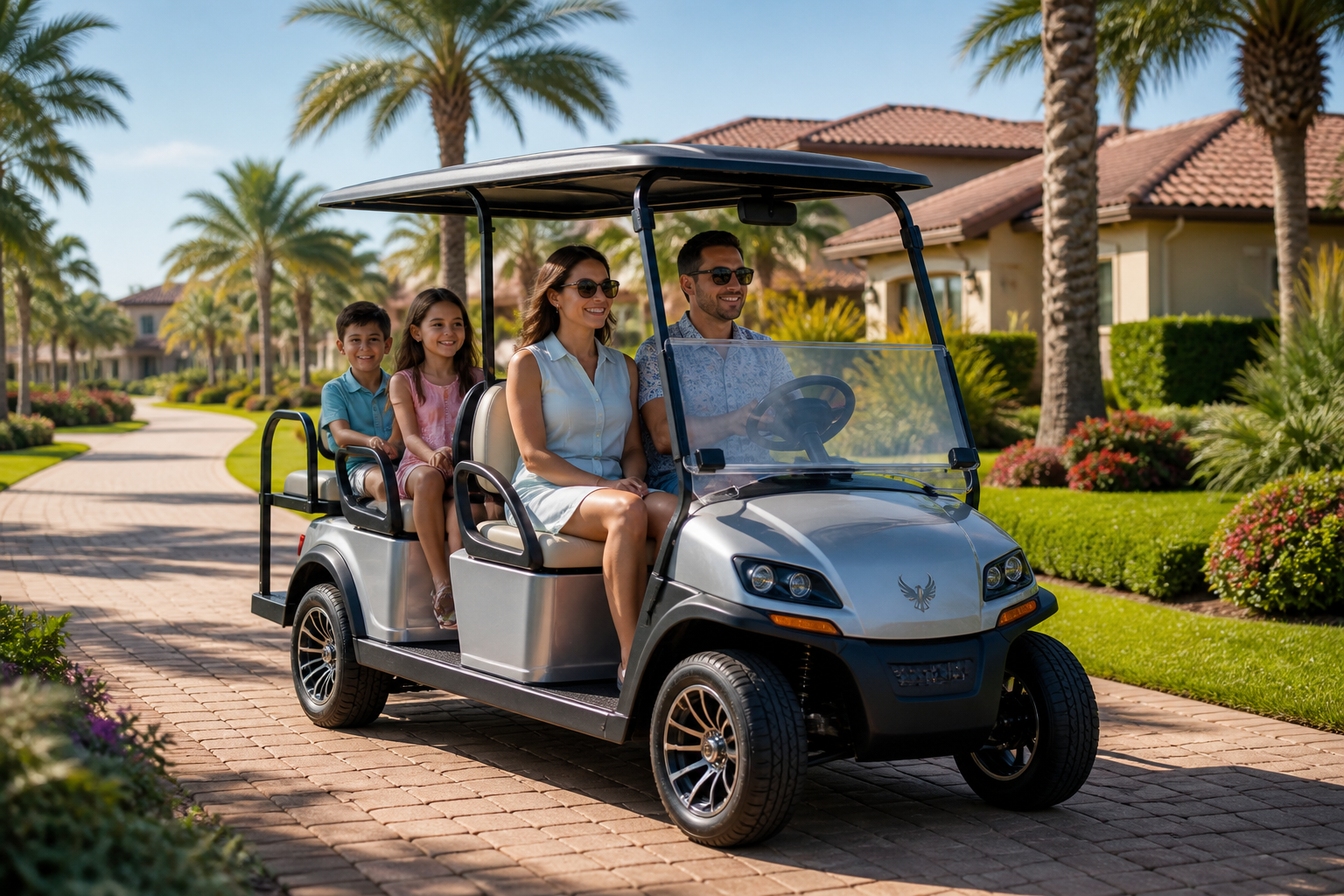
Prioritizing Golf Cart Safety Checks is a commitment to responsible ownership and the well-being of everyone who rides in or around your vehicle. From daily pre-ride inspections to annual professional assessments, each step plays a crucial role in preventing accidents and ensuring optimal performance. Regular maintenance not only extends the life of your golf cart but also guarantees a safer, more enjoyable experience every time you use it. Don’t wait for a problem to arise; be proactive.
For comprehensive diagnostics, expert repairs, and thorough Golf Cart Safety Checks, trust the experienced team at Phoenix Golf Car. We are dedicated to keeping your golf cart in peak condition. Schedule your professional safety inspection with us today and drive with confidence.
What are the essential daily golf cart safety checks?
Daily checks should include verifying tire pressure, inspecting brakes for proper function, ensuring steering responsiveness, checking battery charge (for electric) or fuel levels (for gas), and confirming all lights and horn are operational.
How often should golf cart safety checks be performed?
Essential checks should ideally be done before each use. A more comprehensive inspection by a professional, like those at Phoenix Golf Car, is recommended annually to catch potential issues before they become major problems.
Why is it important to perform regular golf cart safety inspections?
Regular inspections prevent accidents by identifying worn components, ensure optimal performance, extend the lifespan of your golf cart, and maintain compliance with local safety regulations, keeping you and others safe.
Who is qualified to perform a golf cart safety check?
While owners can perform basic visual checks, a certified technician with specialized knowledge and tools, such as the experts at Phoenix Golf Car, is best qualified for thorough, comprehensive golf cart safety checks.
What common safety issues should I look for on a used golf cart?
When buying a used golf cart, inspect for excessive rust on the frame, worn tires, weak brakes, corroded battery terminals, damaged steering components, and any signs of electrical issues or fluid leaks.
Are there different safety protocols for electric versus gas golf carts?
Yes, electric golf carts require attention to battery health, charging systems, and electrical connections, while gas golf carts need checks on fuel lines, oil levels, spark plugs, and exhaust systems, in addition to universal checks like brakes and tires.
How do you properly test golf cart brakes for safety?
To test brakes, slowly drive the golf cart on a flat surface and apply the brake pedal firmly. The cart should stop smoothly and quickly without pulling to one side. Also, ensure the parking brake holds the cart securely on an incline.
What are the regulations for golf cart safety equipment?
Regulations vary by locality, but commonly include functional headlights, taillights, brake lights, turn signals, a horn, seat belts, and a rearview mirror, especially if operating on public roads. Always check local ordinances in Pompano Beach, FL.
Where can I get my golf cart professionally inspected for safety?
For professional golf cart safety checks in the Pompano Beach, FL area, you can visit Phoenix Golf Car. Their certified technicians specialize in comprehensive diagnostics and maintenance for all major golf cart brands.
Can I schedule a golf cart safety service appointment online?
Many modern golf car service centers, including Phoenix Golf Car, offer convenient online scheduling for golf cart safety checks and other maintenance appointments, allowing you to book at your convenience.