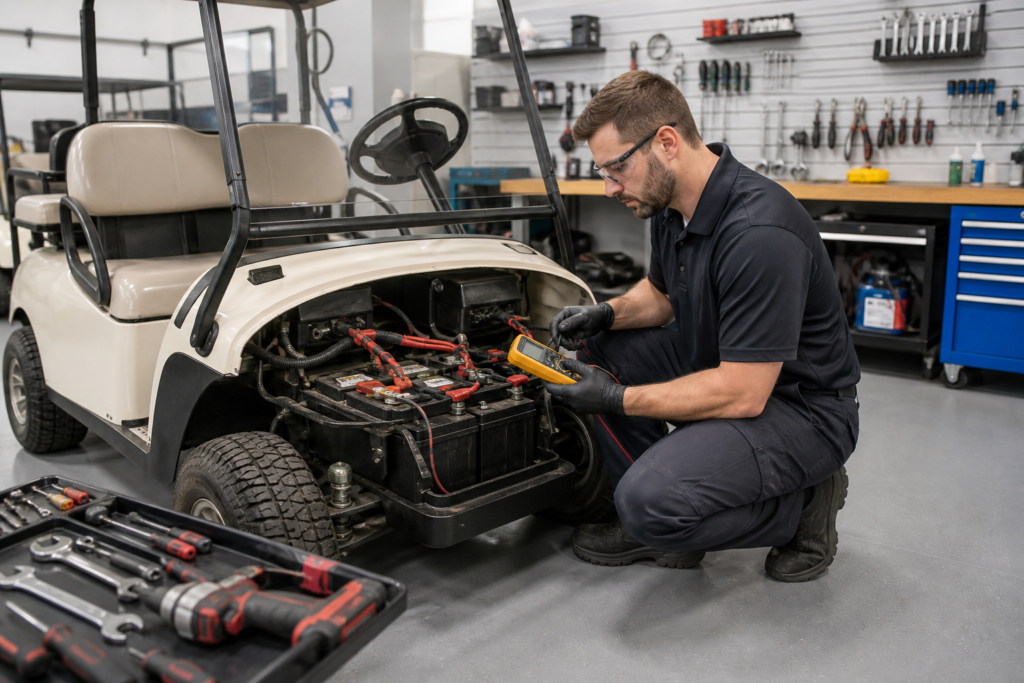
Golf Cart Repair Issues are a common concern for many owners, but often, the solutions are simpler than you might think. Instead of immediately calling a professional, many problems can be diagnosed and fixed with a little know-how and the right tools. This guide empowers you to tackle 8 powerful golf cart repair issues yourself, saving you time and money while keeping your cart running smoothly on and off the course. We’ll delve into everything from battery woes to steering glitches, providing actionable steps for each.
Understanding the basics of your golf cart’s mechanics is the first step toward effective troubleshooting. Whether you own an electric or gas model, common Golf Cart Repair Issues often manifest in predictable ways. By learning to identify these signs early, you can prevent minor annoyances from escalating into costly repairs. This article will equip you with the knowledge to confidently address the most frequent Golf Cart Repair Issues, ensuring your vehicle remains a reliable companion for your leisure activities.
Key Takeaways for Golf Cart Repair Issues
- Discover 8 common Golf Cart Repair Issues that you can confidently fix yourself, enhancing your troubleshooting skills.
- Learn essential diagnostic steps for battery, motor, steering, and brake problems to quickly identify the root cause of Golf Cart Repair Issues.
- Understand the difference between electric and gas golf cart repair issues, with tailored solutions for each type.
- Gain practical tips for regular maintenance that can prevent many Golf Cart Repair Issues from occurring in the first place.
Golf Cart Repair Issues: 8 Powerful Fixes You Can Master Today
Understanding Common Golf Cart Repair Issues
Golf carts, whether electric or gas-powered, are complex machines that can develop various problems over time. Recognizing the most common Golf Cart Repair Issues is the first step toward effective troubleshooting and repair. Many issues stem from regular wear and tear, lack of maintenance, or environmental factors. Knowing what to look for can save you significant time and expense.
The most frequent Golf Cart Repair Issues include battery problems, motor or engine malfunctions, tire damage, and steering or brake system failures. For electric carts, controller issues and wiring problems are also common. Gas carts frequently experience fuel system clogs, spark plug failures, or air filter obstructions. Addressing these concerns promptly is crucial for your cart’s longevity.
Identifying Electric Golf Cart Repair Issues
Electric golf carts often face specific Golf Cart Repair Issues related to their power source. Battery health is paramount, as depleted or damaged batteries can lead to a complete loss of power or slow performance. Other common electric Golf Cart Repair Issues involve the controller, solenoid, and various electrical connections. A systematic approach to diagnosis is essential for these types of problems.
Tackling Gas Golf Cart Repair Issues
Gas golf carts have their own set of unique Golf Cart Repair Issues, primarily centered around the engine and fuel system. Carburetor problems, clogged fuel filters, and spark plug misfires are frequent culprits when a gas cart runs rough or fails to start. Regular checks of the oil, air filter, and fuel lines can prevent many of these common Golf Cart Repair Issues. Understanding these differences helps in targeted troubleshooting.
1. Battery & Charging Golf Cart Repair Issues: Powering Your Ride
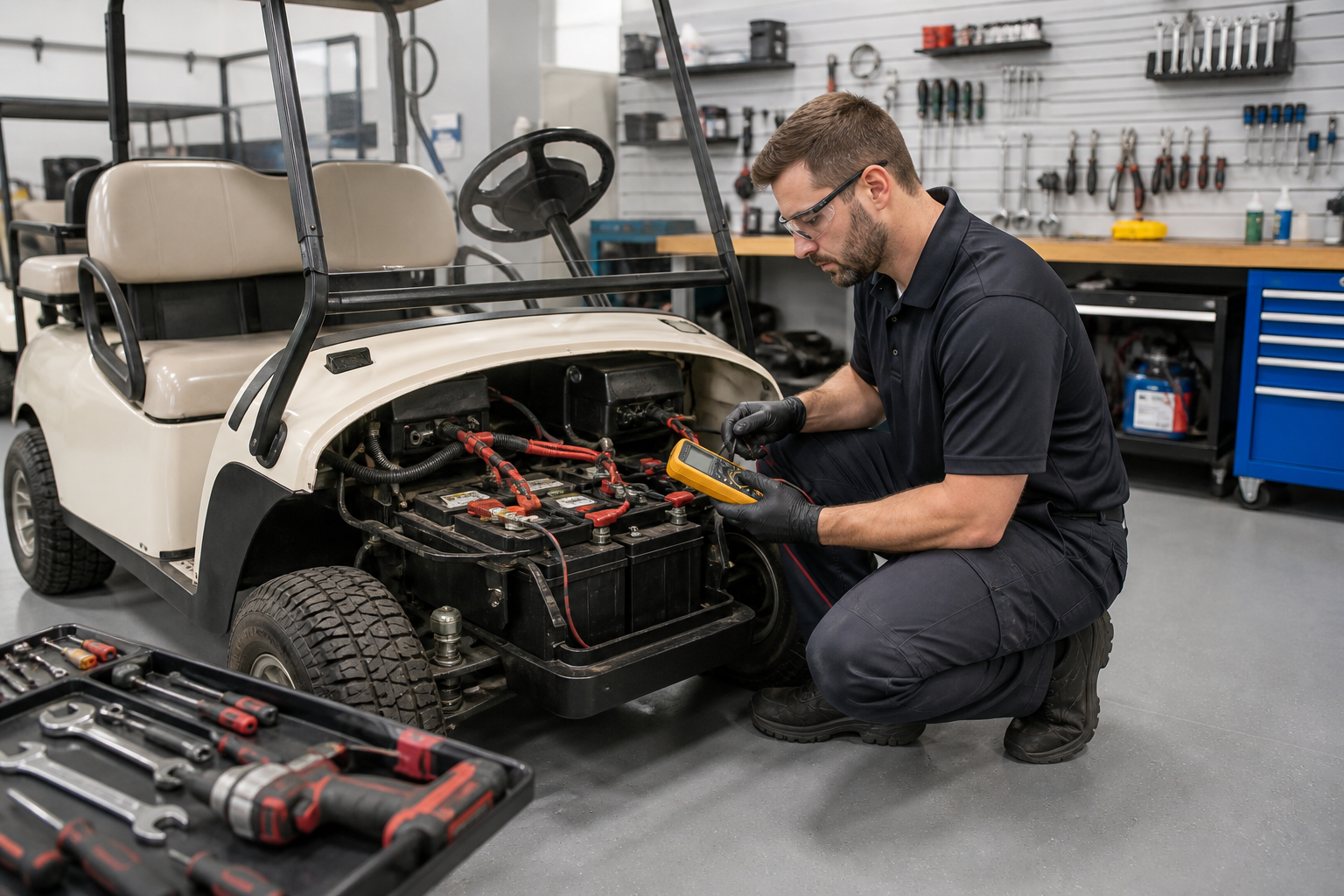
Battery-related Golf Cart Repair Issues are perhaps the most common for electric models. A golf cart that won’t start or loses power quickly often points directly to the battery system. Proper battery maintenance is key to avoiding these frustrations and ensuring reliable operation. Always wear protective gear when working with batteries.
Why is my electric golf cart losing power?
An electric golf cart losing power typically indicates underlying Golf Cart Repair Issues with the batteries. This could be due to old batteries that have lost their capacity, low water levels in lead-acid batteries, or damaged cells. A faulty controller or worn-out motor brushes can also contribute to power loss, creating significant Golf Cart Repair Issues. It is important to check each battery individually.
What causes golf cart batteries to drain quickly?
Golf cart batteries can drain quickly due to several Golf Cart Repair Issues. Overcharging or undercharging can damage battery life, as can sulfation, which is a build-up of lead sulfate crystals. Old age is another factor, as battery capacity naturally diminishes over time. Parasitic draws from accessories left on, loose connections, or a faulty charger can also accelerate battery discharge, leading to frustrating Golf Cart Repair Issues. Ensure all connections are tight and clean.
Troubleshooting Golf Cart Repair Issues When It Won’t Start (Electric)
If your electric golf cart won’t start, begin by checking the battery pack. Ensure all batteries are fully charged and that terminals are clean and tight. Verify the tow/run switch is in the ‘run’ position. Listen for a click from the solenoid when you press the pedal; no click might indicate a solenoid issue, a common source of Golf Cart Repair Issues. Test the voltage across the battery terminals with a multimeter.
2. Motor & Engine Golf Cart Repair Issues: Getting Back on Track
Motor and engine problems can be among the more daunting Golf Cart Repair Issues, but many can be diagnosed and even fixed at home. Understanding the symptoms is crucial for both electric and gas carts. Addressing these issues early can prevent more extensive damage and keep your cart performing optimally.
What are signs that my golf cart motor needs repair?
Signs of motor-related Golf Cart Repair Issues include a noticeable loss of power, unusual noises (grinding, squealing), or the motor overheating. For electric carts, a burning smell or excessive heat from the motor casing suggests a problem. For gas carts, persistent knocking sounds or excessive smoke from the exhaust are clear indicators of engine Golf Cart Repair Issues. Do not ignore these warning signs.
Why is my gas golf cart running rough?
A gas golf cart running rough often points to Golf Cart Repair Issues within the fuel or ignition system. This could be due to a dirty carburetor, a clogged fuel filter, or an old or fouled spark plug. A weak ignition coil or improper valve clearance can also cause rough running. Checking the air filter for cleanliness and ensuring fresh fuel are good starting points for diagnosing these Golf Cart Repair Issues.
DIY Fixes for Common Motor Golf Cart Repair Issues
For electric motors, check for loose wiring connections or worn-out motor brushes. Replacing brushes can often restore power. For gas engines, simple fixes include cleaning or replacing the spark plug, checking the fuel filter, and ensuring the air filter is clean. These basic steps can resolve many minor motor Golf Cart Repair Issues without professional intervention. Always consult your owner’s manual for specific procedures.
Addressing Gas Engine Golf Cart Repair Issues
Beyond spark plugs and filters, gas engine Golf Cart Repair Issues might involve the carburetor. A clogged carburetor can cause stalling or rough idling. You can often clean a carburetor yourself with specialized cleaner, but for more complex issues, professional help might be needed. Regular oil changes and checks of the drive belt are also vital for preventing major Golf Cart Repair Issues. For more advanced troubleshooting, resources like Golf Carting Magazine offer valuable insights.
3. Steering & Suspension Golf Cart Repair Issues: Smooth Handling
Smooth and responsive steering is essential for safe and enjoyable golf cart operation. When you notice looseness, difficulty turning, or excessive bouncing, it’s time to investigate potential Golf Cart Repair Issues in the steering and suspension systems. These components are critical for control and comfort.
How to fix a steering problem on a golf cart?
Steering problems in a golf cart can stem from various Golf Cart Repair Issues, such as loose tie rod ends, worn ball joints, or damage to the steering rack components. Begin by inspecting all visible steering linkages for excessive play or damage. Tightening loose bolts or replacing worn-out components like tie rod ends can often resolve the issue. If the steering feels stiff, check for lubrication points. Addressing these Golf Cart Repair Issues improves safety and handling.
Diagnosing Steering Golf Cart Repair Issues
To diagnose steering Golf Cart Repair Issues, lift the front of the cart safely. Wiggle each wheel side-to-side and top-to-bottom. Any significant play indicates worn ball joints, tie rod ends, or wheel bearings. Inspect the steering column for looseness where it connects to the steering box. These visual checks are crucial for pinpointing the source of steering Golf Cart Repair Issues. A professional alignment might be needed after replacing components.
Simple Suspension Golf Cart Repair Issues
Suspension Golf Cart Repair Issues often manifest as a bumpy ride or uneven stance. Check the leaf springs for cracks or sagging. Shock absorbers can also wear out, leading to excessive bouncing. Replacing worn shocks or leaf springs is a relatively straightforward DIY task that can significantly improve ride quality. Ensure all bolts are tightened to the manufacturer’s specifications to prevent further Golf Cart Repair Issues.
4. Brake Golf Cart Repair Issues: Ensuring Safety
Functional brakes are non-negotiable for golf cart safety. Any sign of reduced braking power, grinding noises, or a spongy pedal demands immediate attention. Ignoring brake-related Golf Cart Repair Issues puts you and others at risk. Fortunately, many common brake problems can be addressed with basic tools and some mechanical aptitude.
What should I do if my golf cart brakes are not working?
If your golf cart brakes are not working effectively, first check the brake fluid level (if applicable for hydraulic systems) and inspect for any leaks around the lines or calipers. Examine the brake cables for proper tension, fraying, or seizing. Worn brake shoes or pads are also common Golf Cart Repair Issues. Adjusting cable tension or replacing worn components can often restore braking power.
It is unsafe to operate a cart with faulty brakes, so prioritize these Golf Cart Repair Issues.
Common Brake Golf Cart Repair Issues and Fixes
Common brake Golf Cart Repair Issues include worn brake pads/shoes, stretched or seized brake cables, and contaminated brake drums. For mechanical brakes, adjusting the cable tension at the pedal or at the wheel hubs can often improve performance. Replacing brake shoes is a common DIY task. For hydraulic systems, bleeding the brakes to remove air can restore pedal feel. Always ensure all components are clean and free of debris to prevent future Golf Cart Repair Issues.
5. Tire & Wheel Golf Cart Repair Issues: Keeping You Rolling
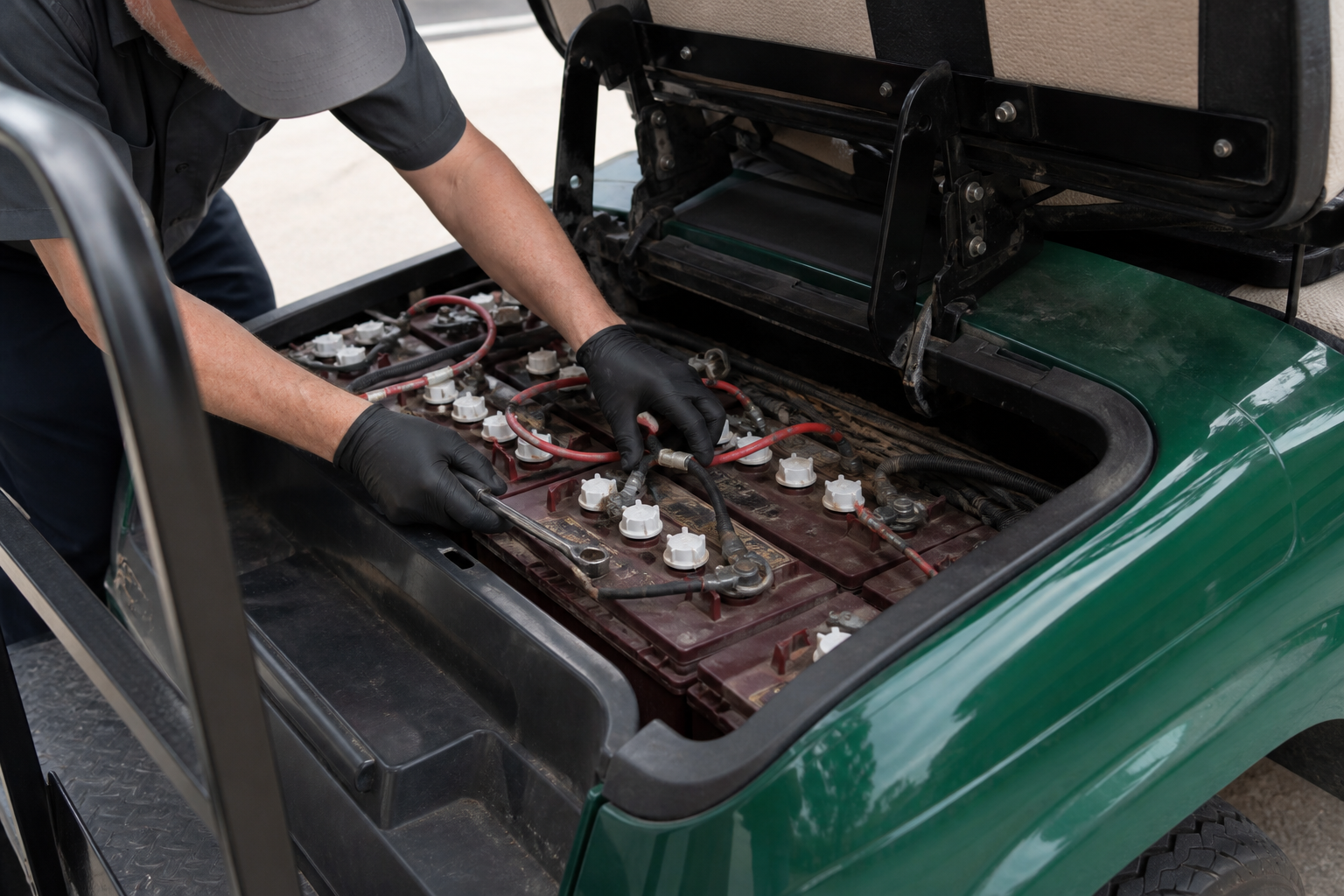
Tires are your golf cart’s only contact with the ground, making their condition vital for performance and safety. Flat tires, uneven wear, or damaged wheels are common Golf Cart Repair Issues that can impact your ride. Addressing these promptly ensures smooth travel and prevents further damage to your cart.
Can I repair golf cart tires myself, or do I need a professional?
Minor golf cart tire punctures, especially in the tread area, can often be repaired with a simple plug kit. This is a common DIY fix for many Golf Cart Repair Issues. However, for sidewall damage, large punctures, or if the tire frequently loses air after a plug, professional assessment or replacement is advisable. Ensuring proper inflation and tire pressure is always important for preventing premature wear and other Golf Cart Repair Issues.
DIY Tire Golf Cart Repair Issues
For small punctures, a tire plug kit is your best friend. Locate the puncture, remove the offending object, ream the hole, apply rubber cement to the plug, and insert it firmly. Always re-inflate the tire to the recommended pressure and check for leaks with soapy water. For uneven tire wear, check your tire pressure and inspect for steering or suspension Golf Cart Repair Issues that might be causing misalignment. Rotating tires can also help extend their life.
6. Electrical Golf Cart Repair Issues (Beyond Battery): Lights & Wiring
Beyond the main battery, your golf cart has a network of wiring, switches, and accessories that can develop Golf Cart Repair Issues. Problems with lights, horns, or charging ports often point to minor electrical faults. These are usually straightforward to diagnose and fix with a multimeter.
Diagnosing Minor Electrical Golf Cart Repair Issues
When dealing with electrical Golf Cart Repair Issues, start by checking fuses. A blown fuse is a common culprit for non-functioning accessories. Use a multimeter to test for continuity in wires and switches. Look for frayed wires, loose connections, or corrosion at terminals. Many electrical Golf Cart Repair Issues are resolved by simply cleaning connections or replacing a faulty switch. Always disconnect the battery before working on electrical components.
7. Fuel System Golf Cart Repair Issues (Gas Carts): Smooth Operation
For gas golf carts, a healthy fuel system is critical for consistent performance. Clogged fuel filters, dirty carbureturs, or old fuel can lead to significant Golf Cart Repair Issues, causing the cart to run poorly or not at all. Regular maintenance of these components is vital.
Common Fuel System Golf Cart Repair Issues
Common fuel system Golf Cart Repair Issues include a clogged fuel filter, which restricts fuel flow to the engine. Replacing this filter is a simple DIY task. Another frequent issue is a dirty or gummed-up carburetor, especially if the cart has sat for extended periods with old fuel. You can often clean a carburetor with a specialized spray, or in some cases, a full rebuild kit might be necessary.
Inspect fuel lines for cracks or leaks, which can also cause Golf Cart Repair Issues.
8. Starter & Solenoid Golf Cart Repair Issues: The Ignition Spark
When your golf cart refuses to start, and you’ve ruled out battery issues, the starter or solenoid is often the next place to look. These components are crucial for initiating the engine or motor. Understanding how to troubleshoot them can quickly resolve frustrating Golf Cart Repair Issues.
How do I troubleshoot a golf cart that won’t start?
If your golf cart won’t start, and the battery is charged, focus on the starter/solenoid. For electric carts, ensure the tow/run switch is in ‘run’. Press the pedal and listen for a click from the solenoid. If you hear a click but no start, the solenoid might be working, but the starter motor could be faulty. If no click, test the solenoid for continuity. For gas carts, check the starter motor and its connections.
These are common Golf Cart Repair Issues that prevent ignition.
Fixing Starter Golf Cart Repair Issues
For starter Golf Cart Repair Issues, first check all connections to the starter motor and solenoid for corrosion or looseness. For electric carts, if the solenoid clicks but the motor doesn’t turn, the starter motor itself might need replacement or repair. For gas carts, a faulty starter motor might just make a clicking sound without turning the engine over.
Sometimes, a simple tap on the starter motor with a hammer can temporarily free a stuck solenoid or brush, allowing you to move the cart for further repair. However, this is a temporary fix for these Golf Cart Repair Issues.
Facing Golf Cart Repair Issues in Pompano Beach?
Phoenix Golf Car provides expert golf cart repair and maintenance services for all major brands, ensuring your vehicle performs flawlessly.
When to Seek Professional Golf Cart Repair Issues Assistance
While many Golf Cart Repair Issues can be tackled by a diligent DIY enthusiast, there are times when professional expertise is invaluable. Complex electrical diagnostics, major engine overhauls, or intricate steering system repairs often require specialized tools and knowledge. Knowing when to call in the experts ensures your safety and the longevity of your investment.
Where can I find reliable golf cart repair services near me?
Finding reliable golf cart repair services involves looking for experienced technicians who specialize in your cart’s make and model. Search for local repair shops with strong customer reviews and certifications. For those in the Pompano Beach area, Phoenix Golf Car offers comprehensive services for all your Golf Cart Repair Issues, ensuring quality and dependable solutions. Always ask about their experience with specific Golf Cart Repair Issues.
How to schedule a golf cart repair appointment?
Scheduling a golf cart repair appointment is usually a straightforward process. Most reputable service centers, like Phoenix Golf Car, allow you to book online or over the phone. Be prepared to describe your Golf Cart Repair Issues in detail, including symptoms, when they started, and any troubleshooting you’ve already attempted. This information helps technicians prepare for your service, making the process more efficient for addressing your Golf Cart Repair Issues.
What warranty comes with golf cart repair services?
Reputable golf cart repair services typically offer a warranty on both parts and labor. The duration can vary, but a common standard is 30 to 90 days. Always inquire about the warranty policy before authorizing any repairs. Understanding the warranty provides peace of mind, knowing that if the same Golf Cart Repair Issues recur shortly after service, you’re covered. This is an important aspect of professional Golf Cart Repair Issues resolution.
Where can I buy replacement parts for golf cart repairs?
Replacement parts for Golf Cart Repair Issues can be purchased from various sources. Local golf cart dealerships, specialized online retailers, and even general automotive parts stores often carry common components. When buying parts, ensure they are compatible with your specific golf cart make and model. Using genuine or high-quality aftermarket parts is crucial for effective and lasting Golf Cart Repair Issues fixes. Always verify part numbers.
Who offers mobile golf cart repair for on-site issues?
Many golf cart service providers, including some in the Pompano Beach area, offer mobile repair services for on-site Golf Cart Repair Issues. This is particularly convenient for issues that render your cart immobile. When seeking mobile repair, confirm their service area and whether they can handle your specific Golf Cart Repair Issues on location. Mobile services can be a lifesaver when you’re stranded with unexpected Golf Cart Repair Issues.
Conclusion: Mastering Golf Cart Repair Issues
Empowering yourself to tackle common Golf Cart Repair Issues is a valuable skill for any golf cart owner. From diagnosing battery drains to fixing steering wobbles, the 8 powerful fixes discussed in this guide provide a solid foundation for maintaining your vehicle. Regular inspection and proactive maintenance can significantly reduce the frequency and severity of Golf Cart Repair Issues, ensuring your cart remains a reliable and enjoyable mode of transport.
While DIY solutions are incredibly rewarding, remember that some Golf Cart Repair Issues warrant professional attention. Don’t hesitate to consult with experienced technicians for complex problems or when safety is a concern. By combining your newfound troubleshooting skills with expert support when needed, you can ensure your golf cart stays in top condition for years to come, minimizing downtime and maximizing your enjoyment on the green. Keep this guide handy for future Golf Cart Repair Issues.
Frequently Asked Questions About Golf Cart Repair Issues
What are the most common golf cart repair issues?
Common Golf Cart Repair Issues include battery problems (low charge, corrosion), motor issues (wear, overheating), tire damage (flats, uneven wear), steering and suspension malfunctions, and brake failures. For gas carts, fuel system clogs or spark plug issues are frequent. Regular maintenance can prevent many of these problems.
How do I troubleshoot a golf cart that won’t start?
If your golf cart won’t start, begin by checking the battery for charge and clean terminals. For electric carts, ensure the tow/run switch is in the ‘run’ position and inspect the solenoid. For gas carts, verify fuel levels, check the spark plug, and ensure the air filter isn’t clogged. Listening for a click from the solenoid can indicate its functionality.
Why is my electric golf cart losing power?
An electric golf cart losing power often points to battery issues, such as old batteries, low water levels in lead-acid batteries, or damaged cells. Other Golf Cart Repair Issues causing power loss include a faulty controller, worn-out motor brushes, or wiring problems that create resistance and reduce voltage to the motor.
What causes golf cart batteries to drain quickly?
Golf cart batteries can drain quickly due to several Golf Cart Repair Issues, including overcharging, undercharging, sulfation, or simply old age and diminished capacity. Parasitic draws from accessories left on, loose connections, or a faulty charger can also accelerate battery discharge. Proper maintenance and charging habits are crucial.
What should I do if my golf cart brakes are not working?
If your golf cart brakes are not working effectively, first check the brake fluid level (if applicable) and inspect for leaks. Examine the brake cables for proper tension and ensure they are not frayed or seized. Worn brake shoes or pads are also common Golf Cart Repair Issues. It’s unsafe to operate a cart with faulty brakes, so professional inspection is recommended.
How to fix a steering problem on a golf cart?
Steering problems in a golf cart can stem from various Golf Cart Repair Issues like loose tie rod ends, worn ball joints, damaged steering rack components, or improper alignment. Inspect these parts for excessive play or damage. Tightening loose components or replacing worn ones can often resolve the issue, but professional alignment may be needed.
Why is my gas golf cart running rough?
A gas golf cart running rough often indicates Golf Cart Repair Issues within the fuel or ignition system. This could be due to a dirty carburetor, clogged fuel filter, old or fouled spark plug, or a weak ignition coil. Checking fuel quality and air filter cleanliness are also good starting points for diagnosis.
Can I repair golf cart tires myself, or do I need a professional?
Minor golf cart tire punctures, especially in the tread area, can often be repaired with a simple plug kit. However, for sidewall damage, large punctures, or if the tire frequently loses air after a plug, professional Golf Cart Repair Issues assessment or replacement is advisable. Ensuring proper inflation and tire pressure is always important.