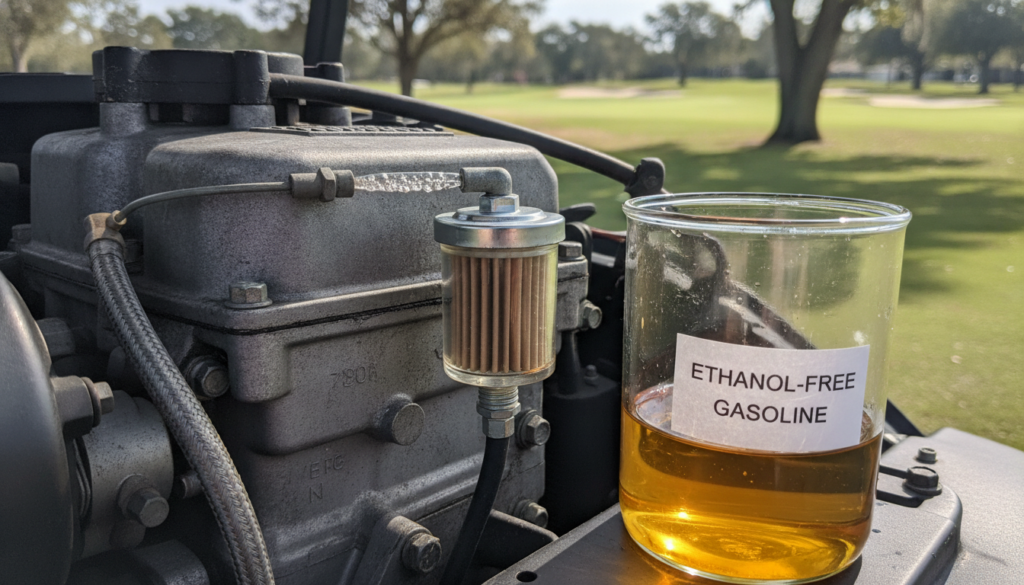
The search for optimal performance and longevity in your vehicle often begins with a fundamental decision: its fuel. For golf cart owners, this is no different. Golf Cart Fuel Choice is a critical consideration that directly impacts everything from engine health and operational costs to environmental footprint and overall driving experience.
In this comprehensive guide, we will explore the seven ultimate factors that should inform your decision. We’ll demystify fuel types, address common misconceptions, and provide actionable insights to help you select the perfect fuel, ensuring your golf cart runs efficiently, reliably, and delivers a superior ride for years to come.
Key Takeaways
- Understand the critical difference between various fuel types and their impact on your golf cart’s engine health.
- Learn why ethanol-free gasoline is often the superior Golf Cart Fuel Choice for preventing long-term damage.
- Discover how fuel additives can protect your engine and enhance performance, especially during storage.
- Evaluate the economic and environmental implications of different fuel options to make a sustainable and cost-effective decision.
- Gain practical tips for proper fuel storage and maintenance to extend your golf cart’s lifespan.
Understanding Your Golf Cart Fuel Choice
Making an informed Golf Cart Fuel Choice is paramount for ensuring the longevity and optimal performance of your vehicle. The type of fuel you use directly affects the engine’s internal components, fuel lines, and overall efficiency. Understanding the nuances of different fuel options is the first step toward a trouble-free ownership experience.
Many golf cart owners overlook the importance of fuel specifications, often assuming that any gasoline will suffice. However, small engines, like those found in golf carts, have specific requirements that differ significantly from automotive engines. Adhering to these requirements can prevent costly repairs and extend the life of your cart.
This section will delve into the fundamental aspects of fuel selection, addressing common questions and providing clarity on what truly constitutes the best fuel for your gas-powered golf cart. Your decision here sets the foundation for your cart’s operational health.
What Type of Fuel is Best for Gas Golf Carts? A Key Golf Cart Fuel Choice
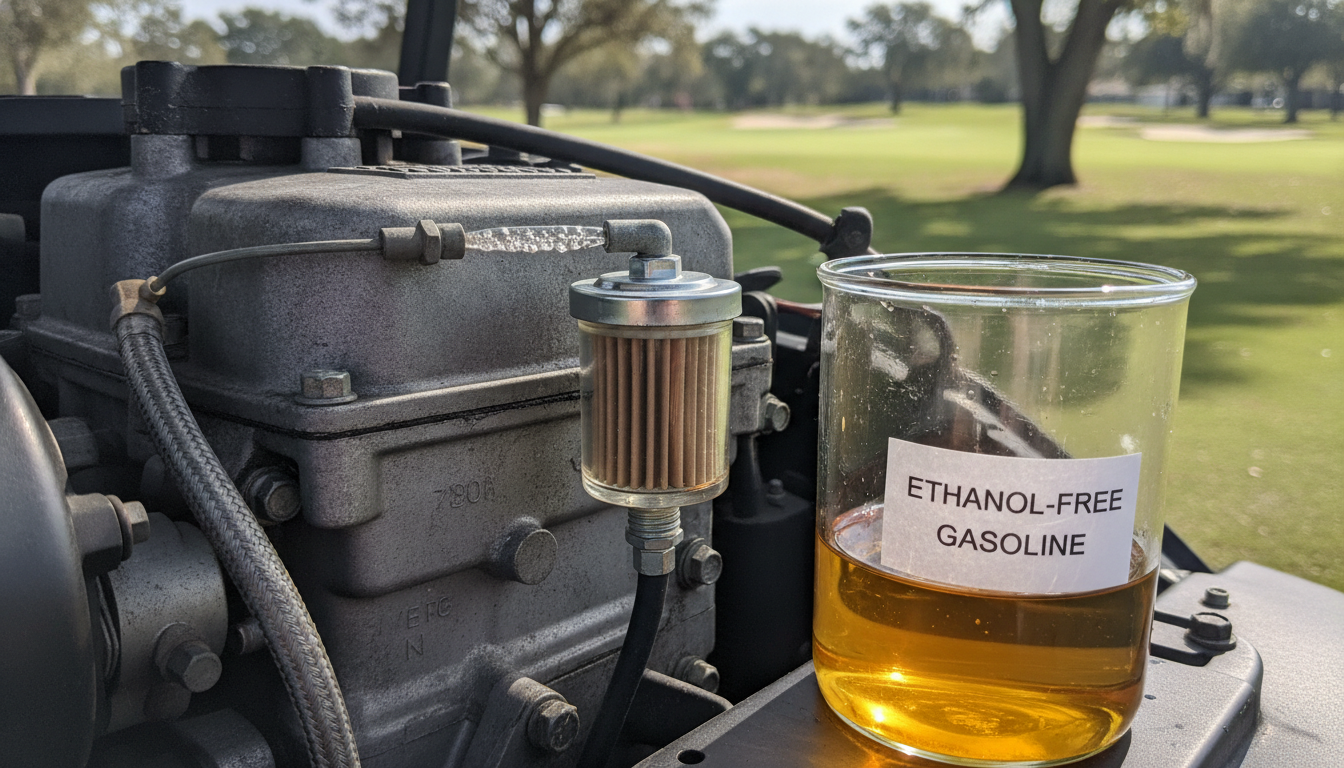
For most gas golf carts, the best Golf Cart Fuel Choice is ethanol-free unleaded gasoline with a minimum octane rating of 87. Ethanol-free fuel is crucial because ethanol can cause significant damage to the fuel systems of small engines over time.
Ethanol attracts water, leading to corrosion and degradation of rubber and plastic fuel lines, carburetors, and other vital components. Always consult your golf cart’s owner’s manual for specific recommendations, but ethanol-free 87 octane is a widely accepted standard.
Can Regular Unleaded Gasoline Harm a Golf Cart Engine? Impact on Your Golf Cart Fuel Choice
Yes, regular unleaded gasoline containing ethanol can indeed harm a golf cart engine. Ethanol’s hygroscopic nature means it absorbs water, which can lead to phase separation in the fuel tank. This results in water and ethanol settling at the bottom, causing rust and corrosion.
Furthermore, ethanol acts as a solvent, breaking down rubber and plastic components in the fuel system that were not designed to withstand it. This can lead to fuel leaks, clogs, and costly repairs. Opting for ethanol-free fuel is a wise preventative measure for your Golf Cart Fuel Choice.

Optimizing Performance and Longevity with Your Golf Cart Fuel Choice
Beyond simply powering your golf cart, your Golf Cart Fuel Choice plays a pivotal role in its overall performance, efficiency, and long-term durability. The right fuel can ensure smooth operation, reduce wear and tear, and even impact the lifespan of your engine. It’s about more than just getting from point A to point B; it’s about preserving your investment.
Understanding how different fuel characteristics affect your engine allows you to make strategic decisions that benefit your cart in the long run. This includes considering octane levels, the role of fuel additives, and the direct link between fuel quality and engine health. Every fill-up is an opportunity to optimize.
Is Premium Fuel Beneficial for Golf Cart Performance? Re-evaluating Your Golf Cart Fuel Choice
For most standard gas golf cart engines, premium fuel (which has a higher octane rating) offers no significant performance benefits. Golf cart engines are typically low-compression engines designed to run efficiently on regular 87 octane fuel.
Using higher octane fuel than recommended by the manufacturer is often an unnecessary expense. It will not make your golf cart faster or more powerful. Always refer to your owner’s manual for the recommended octane level to make the best Golf Cart Fuel Choice.
How Does Fuel Choice Affect the Lifespan of a Golf Cart Engine? A Critical Golf Cart Fuel Choice
The right Golf Cart Fuel Choice significantly extends an engine’s lifespan by preventing corrosion, premature wear, and fuel system degradation. Using ethanol-free, properly stabilized fuel reduces maintenance and repair needs over time. Conversely, using fuel with ethanol can lead to internal damage.
Ethanol can cause components like carburetors, fuel pumps, and fuel lines to fail prematurely. This leads to costly repairs and a shortened engine life. A careful fuel selection protects your engine’s delicate parts from chemical damage and buildup.
Why is Ethanol-Free Gas Often Recommended for Golf Carts?
Ethanol-free gasoline is highly recommended for golf carts because ethanol can cause significant damage to the fuel systems of small engines. It is a corrosive agent that can break down rubber and plastic components, leading to leaks and fuel system failures.
Moreover, ethanol attracts and absorbs water, which can lead to rust in metal components and phase separation in the fuel tank. This creates a highly corrosive mixture that can severely damage your engine. Avoiding ethanol is a simple yet effective way to protect your investment.
Economic and Environmental Factors in Golf Cart Fuel Choice
When considering your Golf Cart Fuel Choice, it’s essential to look beyond immediate performance and delve into the broader implications of cost and environmental impact. These factors play a significant role in the overall ownership experience and can influence your decision between gas and electric models, or even specific fuel types for gas carts.
Understanding the long-term financial outlay and the ecological footprint of your chosen fuel helps you make a responsible and sustainable decision. This holistic view ensures that your golf cart not only meets your recreational needs but also aligns with your budget and values.
How Do Gas and Electric Golf Cart Operating Costs Compare? Informing Your Golf Cart Fuel Choice
Generally, electric golf carts have lower operating costs due to cheaper electricity compared to gasoline. They also have fewer moving parts, which often translates to less frequent and less expensive maintenance. However, electric carts have higher upfront battery replacement costs every few years, which can be a significant expense.
Gas golf carts require regular fuel purchases and more frequent engine maintenance, including oil changes and filter replacements. The overall Golf Cart Fuel Choice between gas and electric depends on usage patterns, local fuel/electricity prices, and willingness to manage battery replacements versus engine upkeep.
What Are the Environmental Impacts of Different Golf Cart Fuel Types?
Gasoline golf carts emit greenhouse gases and pollutants like carbon monoxide and hydrocarbons, contributing to air quality issues and climate change. These emissions are a direct result of burning fossil fuels.
Electric golf carts have zero tailpipe emissions, making them a cleaner option for local air quality. However, their overall environmental impact depends on the electricity source (e.g., coal-fired vs. renewable energy) and the manufacturing and disposal processes of their batteries. This makes the environmental aspect of Golf Cart Fuel Choice complex.
Practical Considerations for Your Golf Cart Fuel Choice
Beyond the technical specifications and environmental concerns, several practical considerations should guide your Golf Cart Fuel Choice. These factors relate to the day-to-day management of your golf cart, including where to source necessary supplies, how to handle emergencies, and how to prepare your cart for periods of inactivity.
Addressing these practical aspects ensures that your golf cart remains reliable and ready for use, minimizing unexpected issues and maximizing your enjoyment. Proper care and planning are essential for any golf cart owner.
Where Can I Buy Fuel Additives Specifically for Golf Carts?
Fuel additives specifically designed for small engines or marine use can be found at various retail locations. Auto parts stores, hardware stores, and specialized golf cart dealerships are excellent places to look. These additives often stabilize fuel and counteract the harmful effects of ethanol.
When selecting an additive, look for products that offer fuel stabilization, corrosion protection, and ethanol treatment. Brands like STA-BIL, Sea Foam, and Lucas Oil offer popular options that can help preserve your fuel system and engine components.
What Are the Risks of Putting Diesel Fuel in a Golf Cart?
Putting diesel fuel in a gasoline golf cart is extremely risky and can cause severe engine damage. Diesel engines operate on a compression-ignition principle, while gasoline engines use spark ignition. Diesel fuel will not ignite properly in a gasoline engine, leading to misfires and poor combustion.
This can result in significant damage to spark plugs, fuel injectors, and the catalytic converter, if present. If you accidentally put diesel in a gas golf cart, do not start the engine. The fuel tank and lines will need to be drained and flushed by a professional to prevent extensive damage.
How Do I Properly Store Fuel for a Golf Cart During Off-Season?
Proper fuel storage is a critical aspect of Golf Cart Fuel Choice, especially during off-season periods. To prevent fuel degradation and engine issues, use a high-quality fuel stabilizer designed for small engines. Add the stabilizer to the fuel tank, then run the engine for a few minutes to ensure the treated fuel circulates throughout the system.
Fill the tank to minimize air space, which reduces condensation. Store the golf cart and any extra fuel in a cool, dry place away from direct sunlight and extreme temperature fluctuations. This prevents fuel from breaking down and causing gumming or varnish in the fuel system.
Optimize Your Golf Cart Fuel Choice with Phoenix Golf Car
Ensure your golf cart runs efficiently and reliably with expert advice and service from Phoenix Golf Car, your trusted South Florida golf car solution provider.
Debunking Myths and Making an Informed Golf Cart Fuel Choice
The world of golf cart maintenance, particularly concerning fuel, is often clouded by misinformation and common myths. Separating fact from fiction is essential for making an informed Golf Cart Fuel Choice that truly benefits your vehicle. Misguided beliefs can lead to unnecessary expenses, reduced performance, or even engine damage.
This section aims to clarify prevalent misconceptions and provide clear, evidence-based advice. By understanding the truth behind these myths, you can confidently navigate your fuel decisions and ensure your golf cart receives the best possible care.
What Are Common Myths About Golf Cart Fuel?
Common myths about golf cart fuel include believing premium fuel always boosts performance (it usually doesn’t for standard carts), that any gas is fine for short-term use (ethanol can cause damage even quickly), or that fuel stabilizers aren’t necessary for seasonal storage (they are vital for preventing degradation).
Another myth is that electric golf carts are always maintenance-free; while they have fewer engine parts, batteries require specific care. Always refer to manufacturer guidelines and reputable sources for accurate information regarding your Golf Cart Fuel Choice.
Should I Consider Fuel Tank Capacity When Choosing a Golf Cart Model?
Yes, fuel tank capacity is an important consideration when selecting a golf cart model, especially if you plan for frequent or extended use. A larger tank provides a longer range between fill-ups, which offers significant convenience and reduces the need for frequent refueling stops.
For those who use their golf cart for long rounds of golf, extensive property management, or daily commuting within a community, a greater fuel capacity means less interruption and more uninterrupted operation. This factor directly impacts the practicality of your Golf Cart Fuel Choice.
Which Brand of Golf Cart is Known for Fuel Efficiency?
Brands like E-Z-GO and Club Car are often recognized for offering models known for their fuel efficiency. These manufacturers frequently incorporate advanced engine designs, such as electronic fuel injection (EFI) systems, to optimize fuel consumption and reduce emissions.
EFI systems deliver fuel more precisely than traditional carburetors, leading to better mileage and smoother performance. When researching a new golf cart, looking for models with these modern fuel delivery systems can help ensure you make an efficient Golf Cart Fuel Choice.
Where Can I Find Reviews Comparing Gas and Electric Golf Cart Fuel Systems?
You can find comprehensive reviews comparing gas and electric golf cart fuel systems on specialized golf cart forums, recreational vehicle (RV) review sites, and independent industry publications. Manufacturer websites also provide detailed specifications and comparisons for their models.
Websites like Golf Cart Resource or Golf Carting Magazine often feature articles and user reviews that delve into the pros and cons of each system, helping you make an informed decision. For an in-depth look at engine technology, consider resources like the EPA’s fuel economy data, which provides insights into engine efficiency, though not specifically for golf carts.
Ultimately, your Golf Cart Fuel Choice is a decision that impacts performance, longevity, and your wallet. By understanding the factors discussed, you can confidently select the best option for your needs.
Your Invitation to Lasting Performance
Making the right Golf Cart Fuel Choice is not just about filling the tank; it’s about making an informed decision that safeguards your investment and enhances your driving experience. From understanding the critical role of ethanol-free gasoline to weighing the economic and environmental impacts, every factor contributes to the overall health and performance of your golf cart.
By adhering to manufacturer recommendations, utilizing appropriate fuel additives, and practicing proper storage techniques, you can significantly extend the lifespan of your engine and ensure reliable operation. Your golf cart deserves the best care, and that starts with an educated fuel choice. For further assistance or to explore advanced golf cart solutions, visit Phoenix Golf Car.
Frequently Asked Questions About Golf Cart Fuel Choice
What type of fuel is best for gas golf carts?
Ethanol-free unleaded gasoline with a minimum octane rating of 87 is generally recommended for most gas golf carts. This choice prevents ethanol-related damage to fuel system components.
Can regular unleaded gasoline harm a golf cart engine?
Yes, regular unleaded gasoline containing ethanol can harm a golf cart engine over time. Ethanol attracts water, leading to corrosion and degradation of rubber and plastic fuel lines, carburetors, and other components.
Is premium fuel beneficial for golf cart performance?
For most standard golf cart engines, premium fuel (higher octane) offers no significant performance benefits and is often an unnecessary expense. Consult your owner’s manual for specific octane recommendations.
What is the average fuel consumption of a gas golf cart?
The average fuel consumption of a gas golf cart varies, but typically ranges from 25-40 miles per gallon (MPG). Factors like engine size, terrain, load, and driving style greatly influence this figure.
Why is ethanol-free gas often recommended for golf carts?
Ethanol-free gasoline is highly recommended because ethanol can cause significant damage to the fuel systems of small engines, including golf carts. It can corrode metal, break down rubber components, and lead to fuel system clogs.
How do gas and electric golf cart operating costs compare?
Generally, electric golf carts have lower operating costs due to cheaper electricity compared to gasoline and fewer moving parts requiring maintenance. However, electric carts have higher upfront battery replacement costs every few years.
Where can I buy fuel additives specifically for golf carts?
Fuel additives specifically designed for small engines or marine use can be found at auto parts stores, hardware stores, or golf cart dealerships. Look for products that stabilize fuel and counteract ethanol effects.
What are the risks of putting diesel fuel in a golf cart?
Putting diesel fuel in a gasoline golf cart is extremely risky and can cause severe engine damage. Diesel engines operate differently, and diesel fuel will not ignite properly in a gasoline engine, potentially causing misfires, damage to injectors, and carbon buildup.
How does fuel choice affect the lifespan of a golf cart engine?
The right fuel choice significantly extends an engine’s lifespan by preventing corrosion, premature wear, and fuel system degradation. Using ethanol-free, properly stabilized fuel reduces maintenance and repair needs over time.
What are common myths about golf cart fuel?
Common myths include believing premium fuel always boosts performance, that any gas is fine for short-term use, or that fuel stabilizers aren’t necessary for seasonal storage. Always refer to manufacturer guidelines.
Should I consider fuel tank capacity when choosing a golf cart model?
Yes, fuel tank capacity is an important consideration. A larger tank provides a longer range between fill-ups, which is convenient for frequent or extended use without needing to refuel as often.
What are the environmental impacts of different golf cart fuel types?
Gasoline golf carts emit greenhouse gases and pollutants, contributing to air quality issues. Electric golf carts have zero tailpipe emissions but their overall environmental impact depends on the electricity source and battery disposal.
How do I properly store fuel for a golf cart during off-season?
For off-season storage, use a high-quality fuel stabilizer, fill the tank to minimize condensation, and store the fuel in a cool, dry place away from direct sunlight. Consider running the engine briefly to circulate the stabilized fuel.
Which brand of golf cart is known for fuel efficiency?
Brands like E-Z-GO and Club Car offer models known for their fuel efficiency, often incorporating advanced engine designs or electronic fuel injection (EFI) systems to optimize consumption.
Where can I find reviews comparing gas and electric golf cart fuel systems?
You can find reviews comparing gas and electric golf cart fuel systems on specialized golf cart forums, recreational vehicle (RV) review sites, manufacturer websites, and independent industry publications.