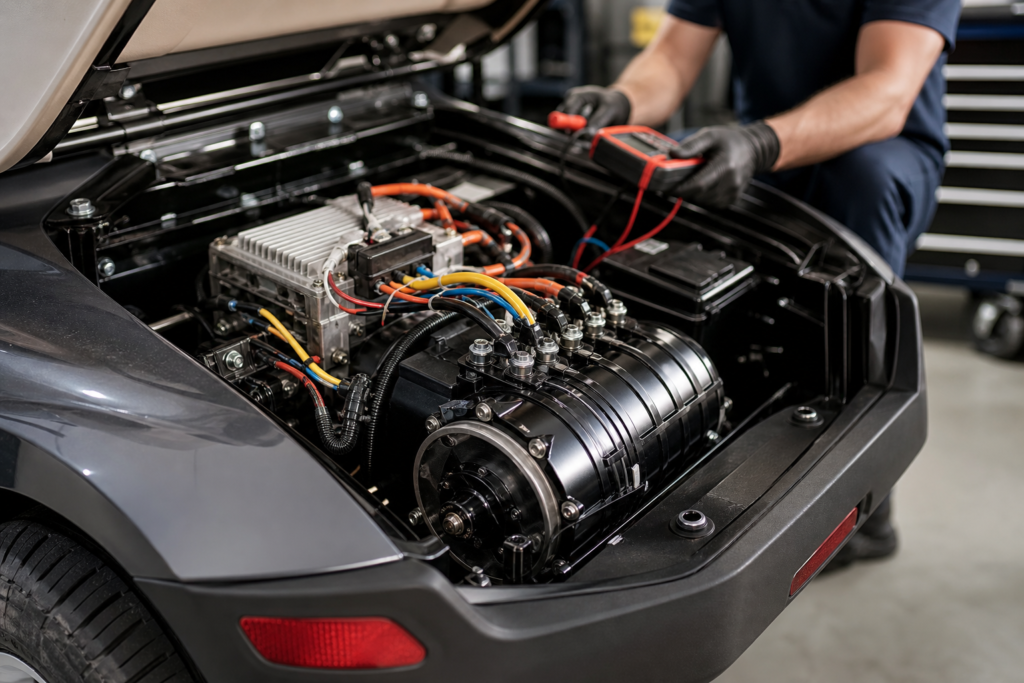
Your golf car is more than just a vehicle; it’s a key to enjoying leisurely rides, navigating the course, or efficiently moving around your property. When its motor starts to falter, it can quickly turn convenience into frustration. Recognizing the early warning signs for Golf Car Motor Repair is essential to address issues promptly, prevent further damage, and avoid costly breakdowns. This authoritative guide will walk you through the five most critical indicators that your golf car motor needs expert attention, ensuring you can keep your ride running smoothly and reliably.
Understanding these signs empowers you to make informed decisions about maintenance and repair. We’ll delve into common motor problems, discuss the benefits of professional intervention, and provide insights into what to expect when seeking specialized golf car motor repair services. By being proactive, you can extend the life of your golf car and maintain its optimal performance for years to come.
Key Takeaways
- Identify the five critical signs that signal an urgent need for professional Golf Car Motor Repair, from performance drops to unusual noises.
- Understand the common causes behind golf car motor issues, whether electric or gas, to better communicate with repair specialists.
- Learn when DIY troubleshooting is appropriate and when it’s crucial to seek certified technicians for complex Golf Car Motor Repair.
- Gain insight into the typical costs and timelines associated with professional motor repair services, helping you budget effectively.
- Discover best practices for golf car motor maintenance to prevent future problems and ensure long-term reliability.
Understanding the Critical Signs for Golf Car Motor Repair
Recognizing the early indicators of motor trouble can save you significant time and money in the long run. Many golf car owners overlook subtle changes, assuming they are minor quirks. However, these seemingly small issues can quickly escalate into major problems requiring extensive Golf Car Motor Repair if not addressed promptly. Being attuned to your golf car’s performance and sounds is the first step in proactive maintenance.
Whether you own an electric or gas-powered golf car, the motor is its heart. Any deviation from its normal operation warrants investigation. Ignoring these signs can lead to complete motor failure, leaving you stranded and facing a much more expensive repair bill. Let’s explore the five critical signs that demand your attention and signal a need for expert golf car motor repair.
1. Reduced Performance and Power: A Key Sign for Golf Car Motor Repair
One of the most noticeable signs that your golf car motor is struggling is a significant drop in performance. This can manifest as reduced speed, difficulty climbing inclines, or a general lack of power during acceleration. If your golf car feels sluggish or struggles to maintain its usual pace, it’s a clear indication that the motor isn’t operating at its peak efficiency. This often points to internal wear or electrical issues.
For electric golf cars, reduced power might stem from a failing controller, worn motor brushes, or even battery issues impacting motor output. Gas golf cars might experience power loss due to fuel delivery problems, spark plug issues, or internal engine wear. In either case, a professional diagnostic is crucial to pinpoint the exact cause and recommend the appropriate Golf Car Motor Repair.
2. Unusual Noises: When Your Golf Car Motor Needs Repair
Your golf car motor should operate with a relatively consistent and predictable hum. Any new or unusual noises—such as grinding, whining, clicking, knocking, or excessive squealing—are red flags. These sounds often indicate mechanical friction, worn bearings, loose components, or internal damage within the motor or its associated drivetrain. Ignoring these noises can lead to catastrophic failure.
Grinding sounds, for instance, could suggest issues with gears or bearings, while a high-pitched whine might point to electrical problems or a struggling motor. A knocking sound in a gas engine is particularly concerning, often indicating serious internal engine wear. Prompt investigation by a specialist is vital for effective Golf Car Motor Repair to prevent further damage that could render the motor irreparable.
3. Overheating: A Serious Golf Car Motor Repair Warning
An overheating motor is a serious issue that requires immediate attention. You might notice a burning smell, visible smoke, or the motor casing feeling excessively hot to the touch. Overheating can occur in both electric and gas golf cars and can lead to permanent damage if not addressed quickly. For electric motors, common causes include prolonged heavy use, carrying excessive loads, or issues with the controller or wiring.
Gas engines can overheat due to low coolant levels, a faulty thermostat, a clogged radiator, or even insufficient oil. Regardless of the fuel type, an overheating motor is under immense stress and can seize up, necessitating a complete motor replacement rather than a simpler Golf Car Motor Repair. Always pull over immediately if you suspect your golf car motor is overheating and seek professional help.
4. Inconsistent Acceleration and Starting Problems
If your golf car experiences jerky acceleration, stalls frequently, or has difficulty starting, these are strong indicators of motor or related system problems. Inconsistent acceleration can be particularly frustrating and even dangerous, suggesting issues with the throttle, controller, or motor itself. For electric golf cars, this might point to a faulty solenoid, controller, or motor brushes that are not making consistent contact.
Gas golf cars might exhibit these symptoms due to carburetor issues, a failing fuel pump, or ignition system problems. If your golf car struggles to turn over or fails to start altogether, it could be a battery issue, but it could also be a more severe motor problem requiring specialized Golf Car Motor Repair. A comprehensive diagnostic is necessary to identify the root cause of these intermittent failures.
5. Visible Smoke or Burning Smell
Perhaps the most alarming sign of motor trouble is visible smoke or a distinct burning smell emanating from your golf car. This is an unequivocal sign of a serious problem and demands immediate shutdown and professional inspection. Smoke or a burning odor often indicates electrical shorts, overheating components, or friction between moving parts that are generating excessive heat.
In electric golf cars, this could be a sign of a failing controller, a shorted motor, or damaged wiring insulation. For gas models, it might indicate oil leaks burning on hot engine parts, or an internal engine issue. Continuing to operate a golf car with these symptoms can lead to fire hazards or irreparable damage. This is a critical situation where expert Golf Car Motor Repair is not just recommended, but absolutely necessary for safety and vehicle integrity.
Diagnosing Common Golf Car Motor Repair Issues
Effective Golf Car Motor Repair begins with an accurate diagnosis. Understanding the common problems associated with both electric and gas golf car motors can help you describe symptoms more clearly to a technician. While a professional will conduct a thorough inspection, having a basic grasp of potential issues is beneficial. This section addresses several common questions about diagnosing motor problems.
What are common signs of a failing golf car motor?
Common signs of a failing golf car motor include reduced speed or power, unusual noises like grinding or whining, frequent overheating, inconsistent acceleration, or the motor completely failing to start. These issues often indicate internal wear or electrical problems requiring professional Golf Car Motor Repair.
Why is my golf car motor making a strange noise?
Strange noises from your golf car motor, such as grinding, whining, clicking, or knocking, often indicate mechanical problems. This could be due to worn bearings, insufficient lubrication, loose components, or issues with the transmission or gears. Timely Golf Car Motor Repair is advised to prevent further damage.
How do you diagnose a golf car electric motor problem?
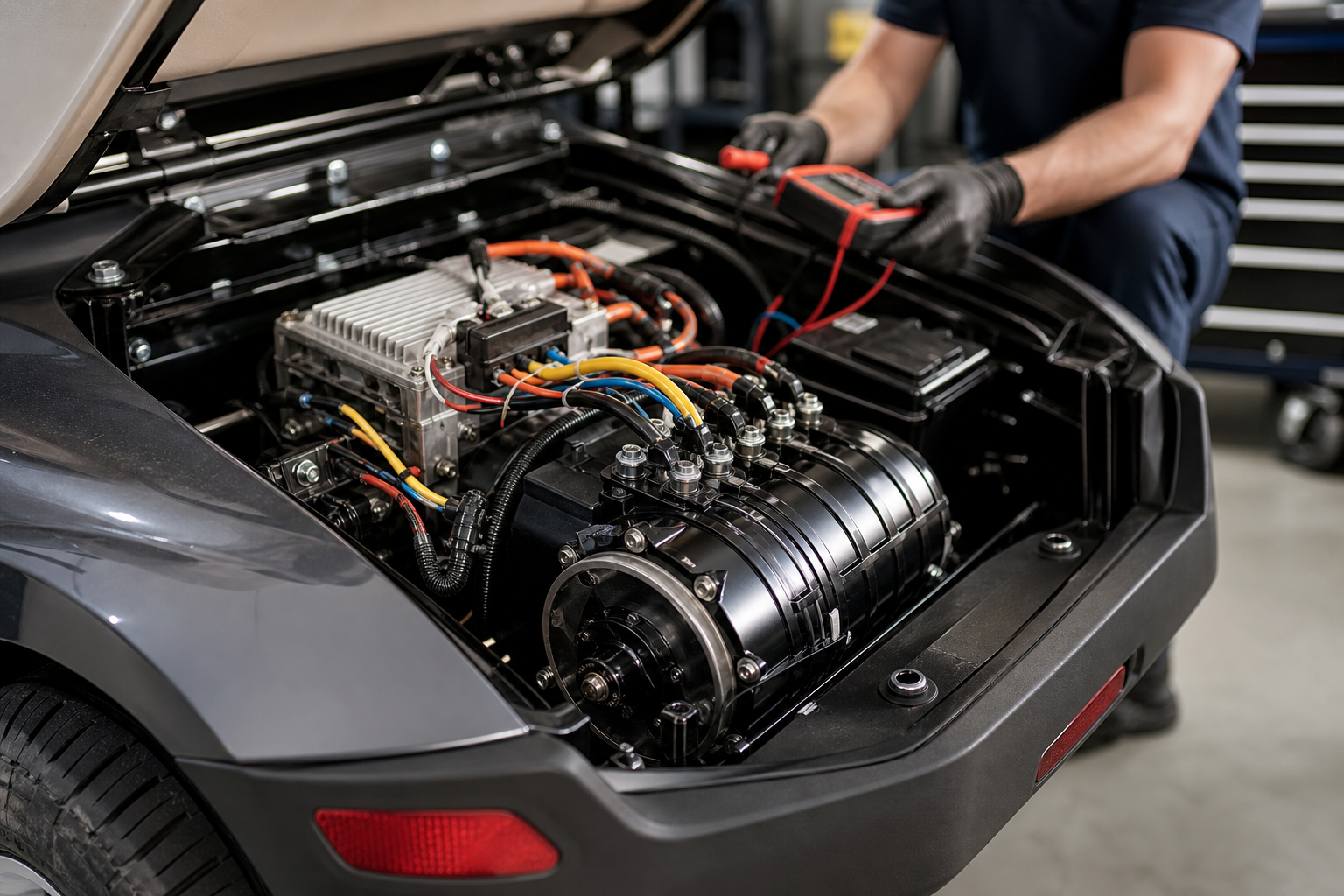
Diagnosing an electric golf car motor problem involves checking battery voltage, inspecting wiring for corrosion or loose connections, testing the controller and solenoid with a multimeter, and sometimes using specialized diagnostic tools to read fault codes. A thorough diagnosis is key to effective Golf Car Motor Repair. For more in-depth technical information on electric motor diagnostics, you can refer to resources like Machine Design’s guide on troubleshooting electric motors.
What causes golf car motors to overheat?
Golf car motors can overheat due to several reasons, including prolonged use, carrying heavy loads, climbing steep hills, low battery voltage (for electric), insufficient lubrication, or a faulty controller. Overheating requires immediate attention and professional Golf Car Motor Repair to prevent permanent damage.
Are there common issues with Club Car golf car motors?
Club Car golf car motors, like any brand, can experience common issues such as worn brushes, armature failure, solenoid problems, or controller malfunctions. Regular maintenance and prompt Golf Car Motor Repair address these issues to keep your Club Car running smoothly.
Professional Golf Car Motor Repair vs. DIY
When faced with a golf car motor issue, many owners wonder whether to attempt a DIY fix or call in the professionals. While some minor troubleshooting can be done at home, complex Golf Car Motor Repair often requires specialized tools, in-depth knowledge, and experience that only certified technicians possess. Making the wrong choice can lead to further damage and increased costs.
Can I repair a golf car motor myself, or should I hire a professional?
While some minor golf car motor troubleshooting can be done by experienced DIYers, complex Golf Car Motor Repair, especially for electrical systems or internal engine components, usually requires professional expertise and specialized tools. Hiring a professional ensures the repair is done correctly, safely, and prevents further damage to your golf car motor.
What tools are needed for basic golf car motor troubleshooting?
Basic golf car motor troubleshooting often requires a multimeter for electrical checks, a wrench set for connections, a battery load tester, and possibly a diagnostic scanner for electric models. Always consult your golf car’s manual and prioritize safety during any troubleshooting or Golf Car Motor Repair attempts. For more advanced diagnostics, specialized equipment like an oscilloscope might be needed, which is typically found in professional repair shops.
Who specializes in golf car motor repair?
Phoenix Golf Car specializes in comprehensive Golf Car Motor Repair services. Our experienced technicians are trained to diagnose and fix issues with both electric and gasoline golf car motors across various brands, ensuring reliable performance and extended vehicle life. We are dedicated to providing top-tier service for all your golf car needs.
Need Expert Golf Car Motor Repair? Trust Phoenix Golf Car!
Don’t let motor issues sideline your ride. Our certified technicians provide top-tier diagnostics and efficient repairs, ensuring your golf car performs reliably.
Investing in Golf Car Motor Repair: Costs and Longevity
Understanding the financial aspect and expected lifespan of your golf car motor is crucial when considering Golf Car Motor Repair. The cost can vary significantly based on the type of motor, the extent of the damage, and whether a repair or replacement is needed. Making an informed decision involves weighing the repair cost against the motor’s overall condition and expected remaining life.
How much does it cost to repair a golf car motor?
The cost of Golf Car Motor Repair varies widely depending on the motor type (electric vs. gas), the specific issue, and the extent of damage. Minor repairs might range from $100-$300, while a complete motor rebuild or replacement can cost upwards of $500-$1500 or more. Getting a diagnostic from a specialist is crucial for an accurate estimate.
What is the average lifespan of a golf car motor?
The average lifespan of a golf car motor varies greatly, but with proper maintenance, an electric motor can last 10-15 years, while a gas engine might last 8-12 years. Factors like usage, maintenance frequency, and operating conditions significantly impact the longevity of your Golf Car Motor Repair.
When should I replace my golf car motor instead of repairing it?
You should consider replacing your golf car motor instead of repairing it if the repair costs approach or exceed the cost of a new or rebuilt motor, if there’s extensive internal damage (e.g., a cracked casing), or if the motor is very old and continues to have recurring, expensive issues. A professional Golf Car Motor Repair technician can help you make this assessment.
How long does a typical golf car motor repair take?
The duration of a typical Golf Car Motor Repair depends on the complexity of the issue. Simple diagnostics and minor fixes might take a few hours, while more extensive repairs, like a motor rebuild or replacement, could take several days, especially if parts need to be ordered. Phoenix Golf Car strives for efficient service.
Do golf car repair shops offer motor rebuild services?
Yes, many specialized golf car repair shops, including Phoenix Golf Car, offer motor rebuild services. A motor rebuild can be a cost-effective alternative to full replacement, restoring the motor’s performance and extending its lifespan, especially for quality golf car motors. This option is often preferred when the core motor components are still sound.
Best Practices for Golf Car Motor Repair and Maintenance
Preventative maintenance is the best strategy to avoid unexpected breakdowns and costly Golf Car Motor Repair. Regular checks and adherence to manufacturer recommendations can significantly extend the life of your golf car’s motor and ensure consistent performance. A proactive approach not only saves money but also ensures your golf car is always ready when you are.
What are the best practices for maintaining a golf car motor?
Best practices for golf car motor maintenance include regularly checking battery terminals and water levels (for lead-acid), keeping the motor clean and free of debris, inspecting wiring for wear, ensuring proper lubrication (for gas motors), and adhering to the manufacturer’s service schedule. Proactive care reduces the need for extensive Golf Car Motor Repair. Regular inspections can catch minor issues before they become major problems.
Where can I find golf car motor repair services near me?
For Golf Car Motor Repair services in the Pompano Beach area, Phoenix Golf Car is a premier provider. We specialize in comprehensive diagnostics and repairs for all major golf car brands. You can find us at 1351 NW Steeda Way, Pompano Beach, FL, or visit our website to schedule service. Our team is ready to provide the expert care your golf car deserves.
What are common signs of a failing golf car motor?
Common signs of a failing golf car motor include reduced speed or power, unusual noises like grinding or whining, frequent overheating, inconsistent acceleration, or the motor completely failing to start. These issues often indicate internal wear or electrical problems requiring professional golf car motor repair.
How much does it cost to repair a golf car motor?
The cost of golf car motor repair varies widely depending on the motor type (electric vs. gas), the specific issue, and the extent of damage. Minor repairs might range from $100-$300, while a complete motor rebuild or replacement can cost upwards of $500-$1500 or more. Getting a diagnostic from a specialist is crucial for an accurate estimate.
Where can I find golf car motor repair services near me?
For golf car motor repair services in the Pompano Beach area, Phoenix Golf Car is a premier provider. We specialize in comprehensive diagnostics and repairs for all major golf car brands. You can find us at 1351 NW Steeda Way, Pompano Beach, FL, or visit our website to schedule service.
Can I repair a golf car motor myself, or should I hire a professional?
While some minor golf car motor troubleshooting can be done by experienced DIYers, complex golf car motor repair, especially for electrical systems or internal engine components, usually requires professional expertise and specialized tools. Hiring a professional ensures the repair is done correctly, safely, and prevents further damage to your golf car motor.
What tools are needed for basic golf car motor troubleshooting?
Basic golf car motor troubleshooting often requires a multimeter for electrical checks, a wrench set for connections, a battery load tester, and possibly a diagnostic scanner for electric models. Always consult your golf car’s manual and prioritize safety during any troubleshooting or golf car motor repair attempts.
Why is my golf car motor making a strange noise?
Strange noises from your golf car motor, such as grinding, whining, clicking, or knocking, often indicate mechanical problems. This could be due to worn bearings, insufficient lubrication, loose components, or issues with the transmission or gears. Timely golf car motor repair is advised to prevent further damage.
How do you diagnose a golf car electric motor problem?
Diagnosing an electric golf car motor problem involves checking battery voltage, inspecting wiring for corrosion or loose connections, testing the controller and solenoid with a multimeter, and sometimes using specialized diagnostic tools to read fault codes. A thorough diagnosis is key to effective golf car motor repair.
What is the average lifespan of a golf car motor?
The average lifespan of a golf car motor varies greatly, but with proper maintenance, an electric motor can last 10-15 years, while a gas engine might last 8-12 years. Factors like usage, maintenance frequency, and operating conditions significantly impact the longevity of your golf car motor.
When should I replace my golf car motor instead of repairing it?
You should consider replacing your golf car motor instead of repairing it if the repair costs approach or exceed the cost of a new or rebuilt motor, if there’s extensive internal damage (e.g., a cracked casing), or if the motor is very old and continues to have recurring, expensive issues. A professional golf car motor repair technician can help you make this assessment.
Who specializes in golf car motor repair?
Phoenix Golf Car specializes in comprehensive golf car motor repair services. Our experienced technicians are trained to diagnose and fix issues with both electric and gasoline golf car motors across various brands, ensuring reliable performance and extended vehicle life.
Are there common issues with Club Car golf car motors?
Club Car golf car motors, like any brand, can experience common issues such as worn brushes, armature failure, solenoid problems, or controller malfunctions. Regular maintenance and prompt golf car motor repair address these issues to keep your Club Car running smoothly.
What causes golf car motors to overheat?
Golf car motors can overheat due to several reasons, including prolonged use, carrying heavy loads, climbing steep hills, low battery voltage (for electric), insufficient lubrication, or a faulty controller. Overheating requires immediate attention and professional golf car motor repair to prevent permanent damage.
How long does a typical golf car motor repair take?
The duration of a typical golf car motor repair depends on the complexity of the issue. Simple diagnostics and minor fixes might take a few hours, while more extensive repairs, like a motor rebuild or replacement, could take several days, especially if parts need to be ordered. Phoenix Golf Car strives for efficient service.
Do golf car repair shops offer motor rebuild services?
Yes, many specialized golf car repair shops, including Phoenix Golf Car, offer motor rebuild services. A motor rebuild can be a cost-effective alternative to full replacement, restoring the motor’s performance and extending its lifespan, especially for quality golf car motors.
What are the best practices for maintaining a golf car motor?
Best practices for golf car motor maintenance include regularly checking battery terminals and water levels (for lead-acid), keeping the motor clean and free of debris, inspecting wiring for wear, ensuring proper lubrication (for gas motors), and adhering to the manufacturer’s service schedule. Proactive care reduces the need for extensive golf car motor repair.
Your golf car is a valuable asset that deserves proper care. Recognizing the critical signs that indicate a need for Golf Car Motor Repair is the first step in maintaining its longevity and performance. From reduced power to unusual noises, these indicators should never be ignored. By understanding common issues, knowing when to seek professional help, and investing in regular maintenance, you can ensure your golf car remains a reliable and enjoyable mode of transport. Don’t wait for a complete breakdown; address motor issues proactively to keep your golf car running smoothly for years to come.