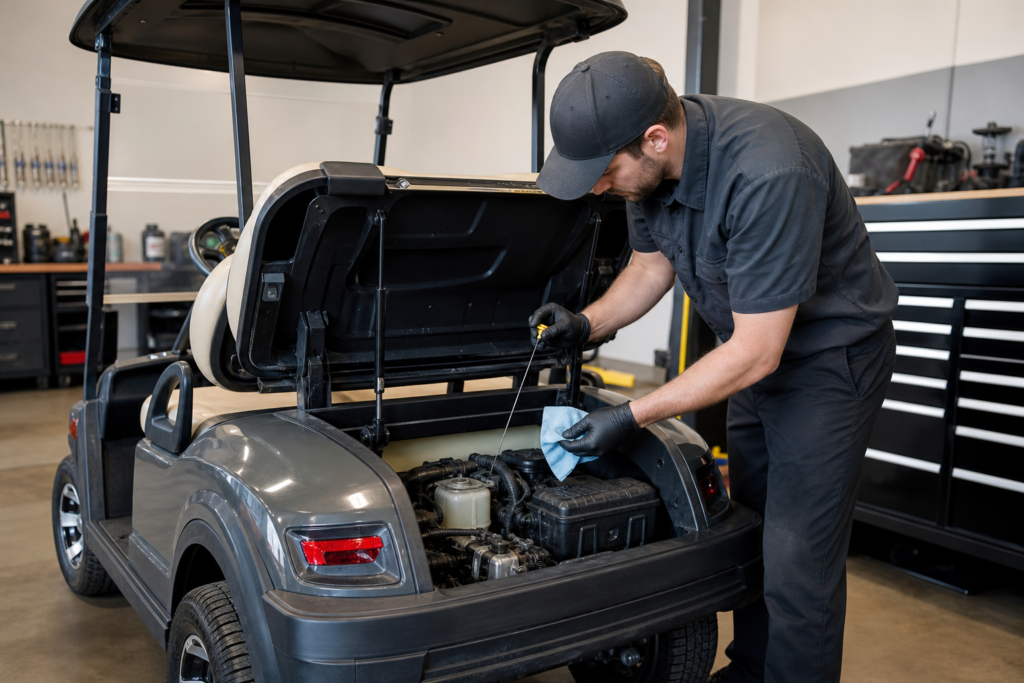
Gas Golf Cart Maintenance: 9 Essential, Brilliant Steps for Peak Performance
Gas golf cart maintenance is paramount for ensuring your vehicle operates at its best, delivering reliable performance for every round or leisurely cruise. Neglecting routine care can lead to costly repairs and unexpected breakdowns, diminishing your enjoyment and the lifespan of your investment. This comprehensive guide outlines the 9 essential, brilliant steps to keep your gas golf cart in peak condition, covering everything from engine care to tire health.
Understanding what routine gas golf cart maintenance involves is the first step toward proactive ownership. It’s about more than just fixing problems; it’s about preventing them. By following these expert recommendations, you can significantly extend the life of your golf cart, enhance its efficiency, and ensure a smooth, powerful ride every time you turn the key.
Key Takeaways
- Discover the 9 critical steps for effective gas golf cart maintenance to ensure optimal performance and longevity.
- Learn how often your gas golf cart should be serviced and the common issues preventative care can avoid.
- Understand the importance of engine oil, spark plugs, and filter replacements for a smooth-running vehicle.
- Identify essential tools for DIY maintenance and when to seek professional services for complex repairs.
What is Gas Golf Cart Maintenance? A Comprehensive Overview
Gas golf cart maintenance encompasses a series of routine checks, adjustments, and replacements designed to preserve the functionality, safety, and efficiency of your vehicle. It involves systematic attention to various components, from the engine and fuel system to the tires and electrical parts. This proactive approach helps identify and address minor wear and tear before it escalates into major, costly problems.
Routine gas golf cart maintenance typically involves checking and changing the engine oil and filter, inspecting and replacing spark plugs, cleaning or replacing air and fuel filters, checking tire pressure, lubricating moving parts, and inspecting belts and hoses. It also includes ensuring proper brake function and inspecting the fuel system. Consistent servicing is key to preventing major issues and extending the lifespan of your vehicle.
The key indicators that a gas golf cart needs maintenance can range from noticeable performance drops, such as difficulty starting or rough idling, to unusual noises or vibrations. Reduced fuel efficiency, sluggish acceleration, or inconsistent braking are also clear signs. Addressing these indicators promptly through diligent gas golf cart maintenance can prevent further damage and ensure your cart remains reliable.
Keep Your Gas Golf Cart in Peak Condition with Phoenix Golf Car
Our expert technicians provide comprehensive gas golf cart maintenance services, ensuring optimal performance and longevity for your vehicle.
The 9 Essential Gas Golf Cart Maintenance Steps
To keep your golf cart running smoothly, a structured approach to gas golf cart maintenance is indispensable. These nine steps cover the most critical areas, ensuring every component contributes to your cart’s overall health and performance. Following this guide will help you avoid common pitfalls and enjoy a trouble-free experience.
How often should a gas golf cart be serviced? Ideally, a gas golf cart should be serviced at least once a year or every 125-200 hours of operation, whichever comes first. For heavily used golf carts, such as those in commercial fleets, more frequent checks every 3-6 months may be necessary. Consistent servicing prevents major issues and extends the lifespan of your vehicle.
For basic DIY gas golf cart maintenance, essential tools include a socket set, wrenches, an oil filter wrench, a spark plug wrench, a tire pressure gauge, a funnel, an oil drain pan, and safety glasses. Having a multimeter can also be useful for electrical diagnostics. Always refer to your owner’s manual for specific torque settings and procedures.
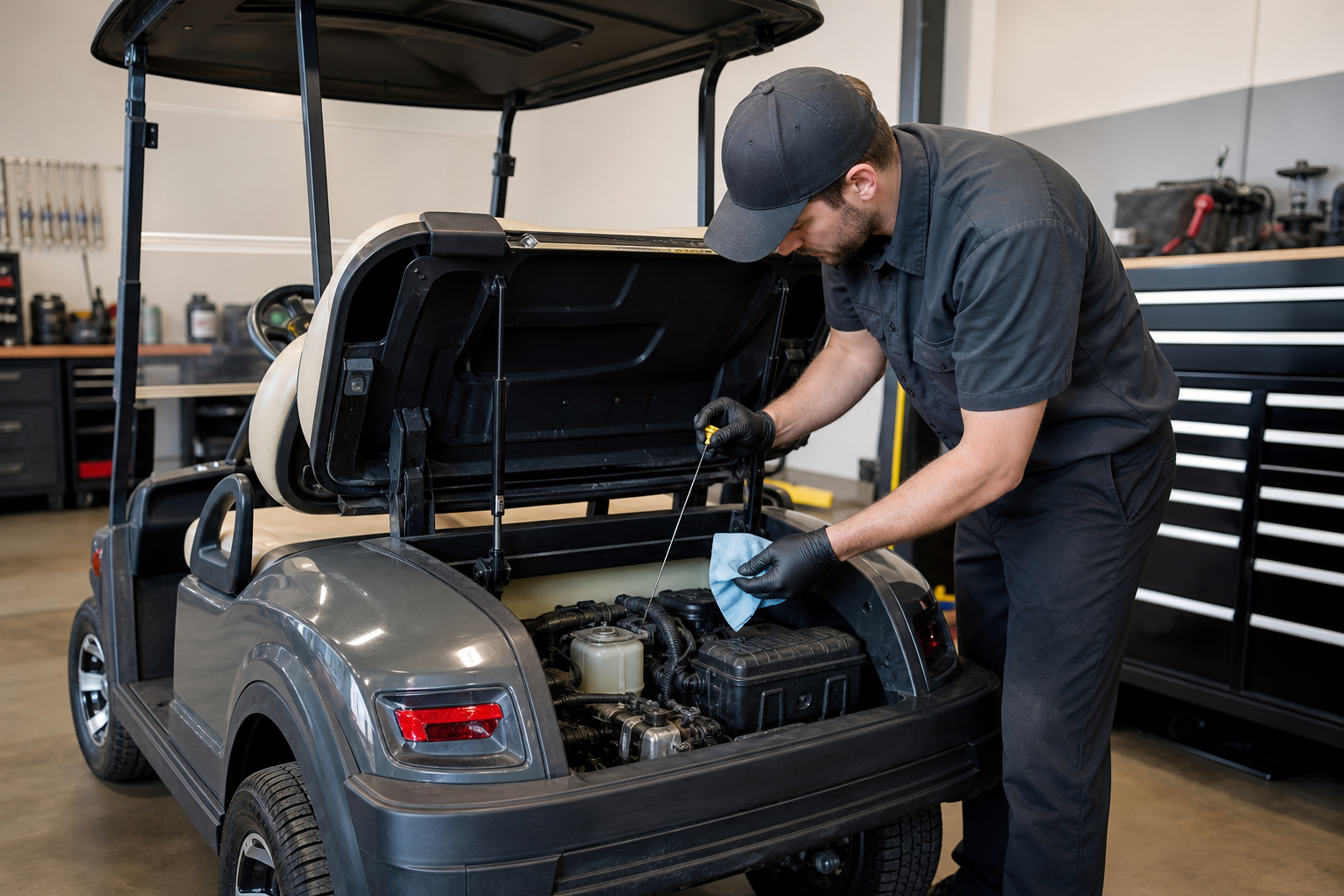
Step 1: Engine Oil and Filter (Gas Golf Cart Maintenance)
The engine oil is the lifeblood of your gas golf cart’s engine, lubricating moving parts and preventing excessive wear. Regular oil changes are fundamental to effective gas golf cart maintenance. Most gas golf cart engines typically recommend a 10W-30 or 10W-40 weight oil, but always consult your owner’s manual for the precise type and capacity.
To change the oil and filter on a gas golf cart, first run the engine briefly to warm the oil, then park on a level surface. Locate and remove the drain plug to drain the old oil into a suitable container. Once drained, replace the drain plug. Remove the old oil filter and install a new one, ensuring the gasket is lightly oiled.
Finally, refill the engine with the recommended amount and type of new oil, checking the dipstick to ensure proper level.
Step 2: Spark Plugs (Gas Golf Cart Maintenance)
Spark plugs are crucial for efficient combustion in your gas golf cart engine. Worn or fouled spark plugs can lead to misfires, reduced power, and poor fuel economy. When should spark plugs be replaced in a gas golf cart? They should generally be inspected annually and replaced every 100-200 hours of operation or if signs of wear or performance issues are present. This simple step is vital for proper gas golf cart maintenance.
Replacing spark plugs is a straightforward task. Disconnect the spark plug wire, use a spark plug wrench to remove the old plug, and install a new one, ensuring it’s gapped correctly according to your manual. This ensures your engine receives a strong, consistent spark for optimal performance.
Step 3: Air and Fuel Filters (Gas Golf Cart Maintenance)
Clean filters are essential for your gas golf cart’s engine to breathe properly and receive clean fuel. A clogged air filter restricts airflow, leading to a rich fuel mixture, reduced power, and increased fuel consumption. Similarly, a dirty fuel filter can starve the engine of fuel, causing sputtering or stalling. Inspect and replace these filters regularly as part of your gas golf cart maintenance schedule.
Checking these filters is simple. The air filter is usually housed in a plastic box near the engine, while the fuel filter is an inline component on the fuel line. Replace them if they appear dirty or clogged. This will significantly improve engine efficiency and prevent common performance issues.
Step 4: Battery Care (Gas Golf Cart Maintenance)
Even gas golf carts have a battery, primarily for starting the engine and powering accessories. While not as critical as in electric carts, proper battery care is still an important aspect of gas golf cart maintenance. Ensure the terminals are clean, tight, and free of corrosion. Check the electrolyte levels in serviceable batteries and top up with distilled water if necessary.
Corroded terminals can impede electrical flow, leading to starting problems. Cleaning them with a wire brush and a baking soda solution can resolve this. Regularly inspecting your battery helps ensure reliable starting power and prevents unexpected electrical issues.
Step 5: Tire Pressure and Condition (Gas Golf Cart Maintenance)
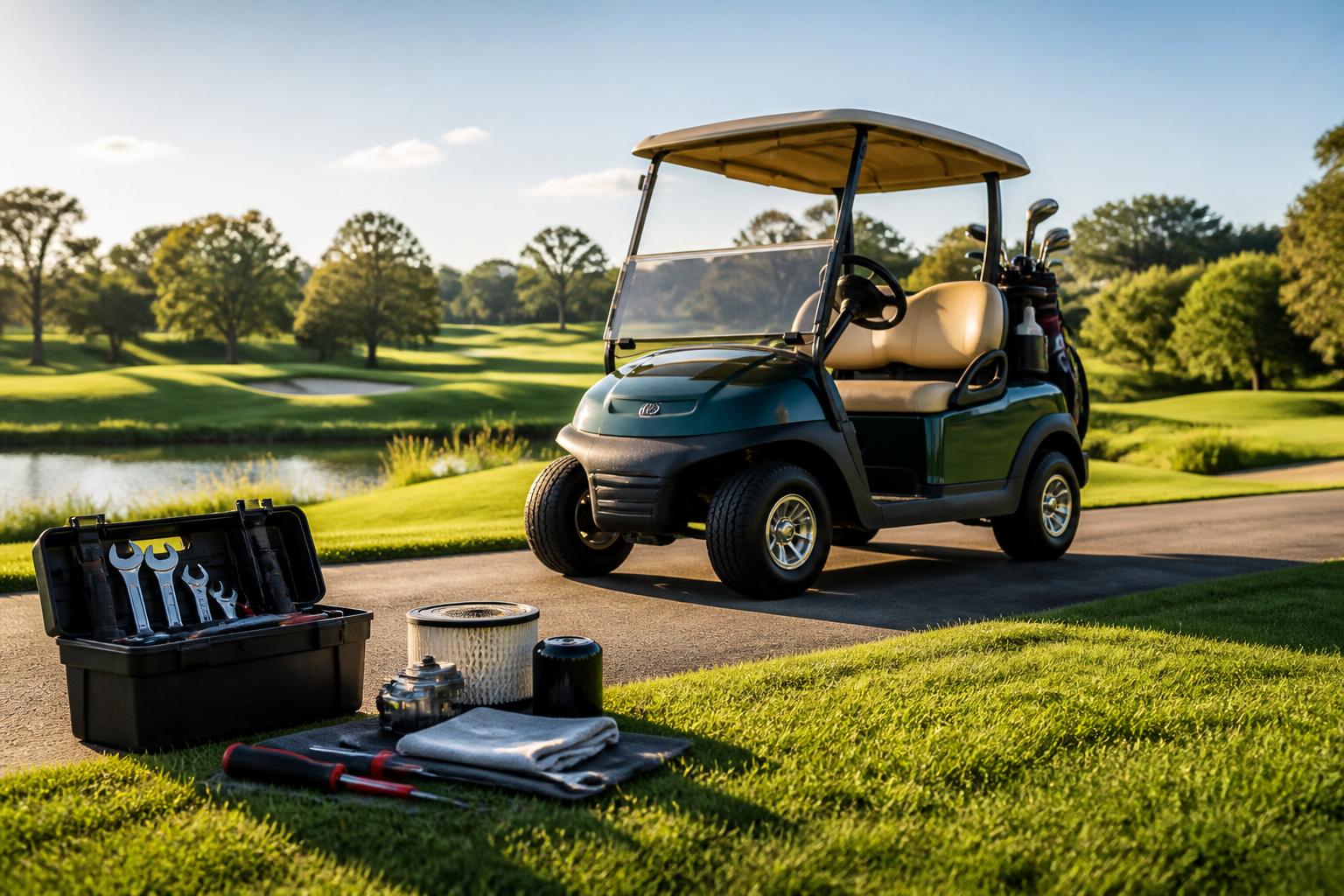
Proper tire pressure is crucial for safety, handling, and fuel efficiency. Under-inflated tires can cause excessive wear, reduce stability, and increase fuel consumption. Over-inflated tires can lead to a harsh ride and uneven wear. Check your tire pressure regularly with a reliable gauge, adjusting to the manufacturer’s recommended PSI, typically found on the tire sidewall or in the owner’s manual.
Beyond pressure, inspect your tires for signs of wear, cracks, or punctures. Uneven tire wear can indicate alignment issues or worn suspension components, which should be addressed during your gas golf cart maintenance. Replacing worn tires ensures optimal traction and safety.
Step 6: Belts, Hoses, and Cables (Gas Golf Cart Maintenance)
The belts, hoses, and cables in your gas golf cart play vital roles in its operation. Drive belts transmit power from the engine, while hoses carry fuel and coolant. Cables connect various electrical components. Inspect all belts for cracks, fraying, or excessive looseness. Check hoses for leaks, bulges, or hardening. Ensure all cables are securely connected and free of corrosion or damage.
A worn drive belt can cause slippage and power loss, while a leaking fuel hose poses a fire risk. Addressing these issues promptly is a critical part of comprehensive gas golf cart maintenance. Replacing damaged components proactively prevents unexpected breakdowns and ensures safe operation.
Step 7: Brake System Inspection (Gas Golf Cart Maintenance)
A functional brake system is non-negotiable for safety. Regularly inspect your gas golf cart’s brakes, including the brake pads, drums, cables, and fluid levels (if applicable). Look for signs of wear on the pads, ensure the brake pedal has proper tension, and check for any leaks in the hydraulic system. If your golf cart uses mechanical brakes, ensure the cables are adjusted correctly.
Common maintenance issues with gas golf carts often include brake problems, such as spongy pedals or reduced stopping power. Addressing these immediately through proper gas golf cart maintenance ensures you can stop safely and effectively. If you notice any issues, have them inspected by a qualified technician.
Step 8: Fuel System Integrity (Gas Golf Cart Maintenance)
The fuel system, including the fuel tank, lines, pump, and carburetor, is central to your gas golf cart’s operation. Inspect fuel lines for cracks or leaks, which can be a fire hazard and lead to poor performance. Ensure the fuel cap seals properly to prevent contamination and evaporation. For carburetor-equipped models, issues like poor starting or rough idling often point to carburetor problems.
Regularly cleaning the carburetor or having it serviced can prevent many common fuel system issues. Using a fuel stabilizer, especially during periods of storage, can also help maintain the integrity of the fuel and prevent clogs. This attention to detail is a key aspect of effective gas golf cart maintenance.
Step 9: Steering and Suspension (Gas Golf Cart Maintenance)
A smooth ride and responsive steering depend on a well-maintained steering and suspension system. Inspect tie rods, ball joints, and bushings for wear or looseness. Lubricate steering components as recommended in your owner’s manual. Check shock absorbers for leaks or damage, as worn shocks can lead to a bumpy ride and reduced control.
Loose steering can be a safety hazard and make the cart difficult to control. Addressing any play in the steering wheel or unusual noises from the suspension during your routine gas golf cart maintenance will ensure a comfortable and safe driving experience. These components are vital for both comfort and control.
Why Preventative Gas Golf Cart Maintenance is Crucial
Preventative gas golf cart maintenance is crucial because it significantly extends the vehicle’s lifespan, ensures consistent peak performance, improves fuel efficiency, and enhances safety. Addressing minor wear and tear before it escalates into major problems saves money on costly repairs and minimizes unexpected breakdowns. It’s an investment in your golf cart’s reliability and resale value.
By proactively maintaining your gas golf cart, you reduce the likelihood of being stranded or facing expensive, unforeseen repairs. Regular inspections allow you to catch issues like worn belts, low fluid levels, or corroded terminals early. This foresight not only saves money but also ensures your golf cart is always ready for your next adventure, providing peace of mind.
Moreover, a well-maintained gas golf cart operates more efficiently, consuming less fuel and producing fewer emissions. This benefits both your wallet and the environment. Preventative maintenance also preserves the cart’s overall value, making it a more attractive asset should you decide to sell or trade it in the future. It’s a testament to responsible ownership.
Professional Gas Golf Cart Maintenance Services
While many aspects of gas golf cart maintenance can be handled by owners, certain tasks require specialized tools, expertise, or diagnostic equipment. For professional gas golf cart maintenance services, seeking out a reputable service center is essential. They can perform comprehensive tune-ups, complex engine repairs, and detailed diagnostics that ensure every component is functioning optimally.
Who provides reliable engine repair for gas golf carts? Expert technicians at specialized golf cart service centers are equipped to handle everything from carburetor overhauls to complete engine rebuilds. They have the knowledge and experience to troubleshoot starting problems in a gas golf cart and address any underlying mechanical issues efficiently and effectively.
The typical cost for a gas golf cart service can vary widely based on the extent of the maintenance, the parts required, and the service provider’s rates. A basic tune-up might range from $150 to $300, while more comprehensive services addressing specific repairs could be higher. It’s always best to get a detailed quote from a reputable service center for your specific needs.
Are there comprehensive maintenance kits available for gas golf carts? Yes, many manufacturers and aftermarket suppliers offer kits that include common replacement parts like filters and spark plugs, which can be useful for DIY enthusiasts.
Where can I find professional gas golf cart maintenance services near me? For professional gas golf cart maintenance services in the South Florida area, Phoenix Golf Car is your trusted expert. We offer comprehensive service and repair for all major golf cart brands, ensuring your vehicle receives the highest quality care. We also provide genuine parts for gas golf cart maintenance, ensuring compatibility and longevity for your repairs. Visit our website or call us directly to schedule your service appointment.
Choosing a professional service ensures that your golf cart receives expert attention, adhering to manufacturer specifications and best practices. This not only guarantees the quality of the work but also helps maintain your cart’s warranty and overall performance. It’s an investment in the long-term health of your vehicle.
For more detailed information on golf cart parts and accessories, you can refer to authoritative resources like the Golf Carting Magazine, which often features articles on maintenance and upgrades. This can help you make informed decisions about your golf cart’s upkeep.
Conclusion: Mastering Gas Golf Cart Maintenance
Mastering gas golf cart maintenance is not just about keeping your vehicle running; it’s about optimizing its performance, extending its lifespan, and ensuring every ride is safe and enjoyable. By diligently following these 9 essential steps—from regular oil changes and spark plug replacements to inspecting tires and brakes—you are investing in the longevity and reliability of your golf cart. Preventative care is always more cost-effective than reactive repairs, saving you time, money, and frustration in the long run.
Whether you choose to perform routine checks yourself or rely on professional services, consistent attention to your gas golf cart’s needs is paramount. A well-maintained cart delivers peak performance, better fuel efficiency, and a smoother, more confident driving experience. Embrace these brilliant maintenance practices, and your golf cart will continue to serve you faithfully for years to come.
<
What does routine gas golf cart maintenance involve?
Routine gas golf cart maintenance typically involves checking and changing the engine oil and filter, inspecting and replacing spark plugs, cleaning or replacing air and fuel filters, checking tire pressure, lubricating moving parts, inspecting belts and hoses, and ensuring proper brake function. Regular inspection of the fuel system, battery terminals (even on gas models, for starting), and steering components are also crucial for optimal performance and safety.
How often should a gas golf cart be serviced?
A gas golf cart should ideally be serviced at least once a year or every 125-200 hours of operation, whichever comes first. For heavily used golf carts, such as those in commercial fleets, more frequent checks every 3-6 months may be necessary. Consistent servicing prevents major issues and extends the lifespan of your vehicle.
What are common maintenance issues with gas golf carts?
Common maintenance issues with gas golf carts include carburetor problems leading to poor starting or rough idling, worn spark plugs causing misfires, clogged fuel or air filters reducing engine efficiency, loose or corroded battery terminals affecting electrical systems, and issues with the drive belt or clutch. Regular gas golf cart maintenance can identify and resolve these problems early.
Why is preventative maintenance crucial for gas golf carts?
Preventative gas golf cart maintenance is crucial because it significantly extends the vehicle’s lifespan, ensures consistent peak performance, improves fuel efficiency, and enhances safety. Addressing minor wear and tear before it escalates into major problems saves money on costly repairs and minimizes unexpected breakdowns. It’s an investment in your golf cart’s reliability and resale value.
Where can I find professional gas golf cart maintenance services near me?
For professional gas golf cart maintenance services in the South Florida area, Phoenix Golf Car is your trusted expert. We offer comprehensive service and repair for all major golf cart brands, ensuring your vehicle receives the highest quality care. Visit our website or call us directly to schedule your service appointment.
What type of oil is recommended for gas golf cart engines?
Most gas golf cart engines, depending on the manufacturer and model, typically recommend a 10W-30 or 10W-40 weight oil. Always consult your golf cart’s owner’s manual for the precise oil type and capacity specified by the manufacturer. Using the correct oil is vital for engine lubrication, protection, and overall gas golf cart maintenance.
How do you change the oil and filter on a gas golf cart?
To change the oil and filter on a gas golf cart, first run the engine briefly to warm the oil, then park on a level surface. Locate and remove the drain plug to drain the old oil into a suitable container. Once drained, replace the drain plug. Remove the old oil filter and install a new one, ensuring the gasket is lightly oiled.
Finally, refill the engine with the recommended amount and type of new oil, checking the dipstick to ensure proper level. This is a critical step in effective gas golf cart maintenance.
What is the typical cost for a gas golf cart service?
The typical cost for a gas golf cart service can vary widely based on the extent of the maintenance, the parts required, and the service provider’s rates. A basic tune-up might range from $150 to $300, while more comprehensive services addressing specific repairs could be higher. It’s always best to get a detailed quote from a reputable service center like Phoenix Golf Car for your specific gas golf cart maintenance needs.
When should spark plugs be replaced in a gas golf cart?
Spark plugs in a gas golf cart should generally be inspected annually and replaced every 100-200 hours of operation or if signs of wear, fouling, or performance issues (like misfires or rough idling) are present. Regular replacement is a simple yet effective part of gas golf cart maintenance that ensures efficient combustion and optimal engine performance.
What essential tools are needed for DIY gas golf cart maintenance?
For basic DIY gas golf cart maintenance, essential tools include a socket set, wrenches, an oil filter wrench, a spark plug wrench, a tire pressure gauge, a funnel, an oil drain pan, and safety glasses. Having a multimeter can also be useful for electrical diagnostics. Always refer to your owner’s manual for specific torque settings and procedures.
>