Golf Cart Electrical Issues: 5 Expert Critical Signs
Golf Cart Electrical Issues can quickly turn a leisurely ride into a frustrating standstill, impacting your enjoyment and productivity. Whether you rely on your cart for golfing, property management, or neighborhood commutes, unexpected electrical problems are a significant inconvenience. Understanding the common signs of these issues is crucial for timely intervention and preventing more extensive, costly repairs.
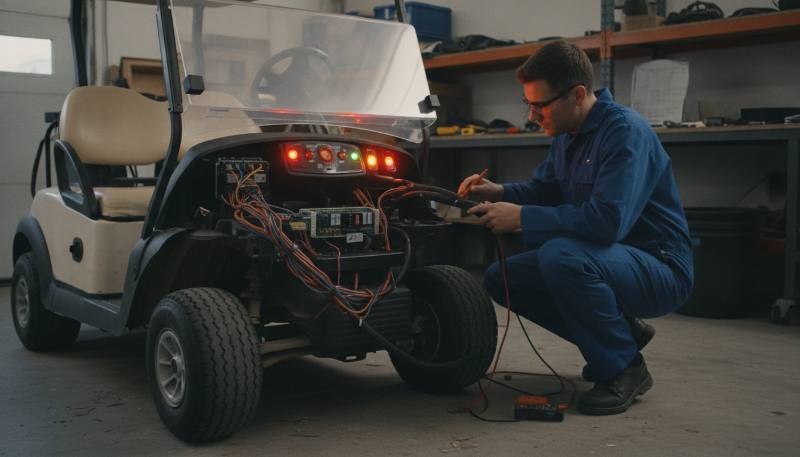
Many golf cart owners attempt DIY fixes, but certain symptoms strongly indicate that professional diagnostic help is essential. Ignoring these critical signs can lead to further damage, safety hazards, and ultimately, a complete breakdown of your vehicle. This guide will walk you through five key indicators that your golf cart’s electrical system requires expert attention from trusted professionals like Phoenix Golf Car.
Key Takeaways
- Recognize the five critical signs that point to underlying Golf Cart Electrical Issues requiring professional diagnosis.
- Understand why seemingly minor electrical glitches can escalate into major problems if not addressed by an expert.
- Learn the common causes behind golf cart battery drainage, starting failures, and intermittent power loss.
- Discover the importance of professional diagnostics and specialized tools for accurately identifying complex electrical faults.
- Gain insights into proactive maintenance strategies to help prevent future Golf Cart Electrical Issues and extend your cart’s lifespan.
Understanding Common Golf Cart Electrical Issues
Before diving into the critical signs, it’s helpful to understand the landscape of common Golf Cart Electrical Issues. These vehicles, whether electric or gas, rely on intricate electrical systems for everything from starting the engine to powering accessories. When any part of this system falters, the entire cart’s operation can be compromised.
The most frequent culprits behind golf cart electrical problems often involve the battery, solenoid, controller, and wiring. Each component plays a vital role, and a malfunction in one can cascade into broader issues. Recognizing the early indicators can save you from more extensive repairs down the line.
Many owners ask,
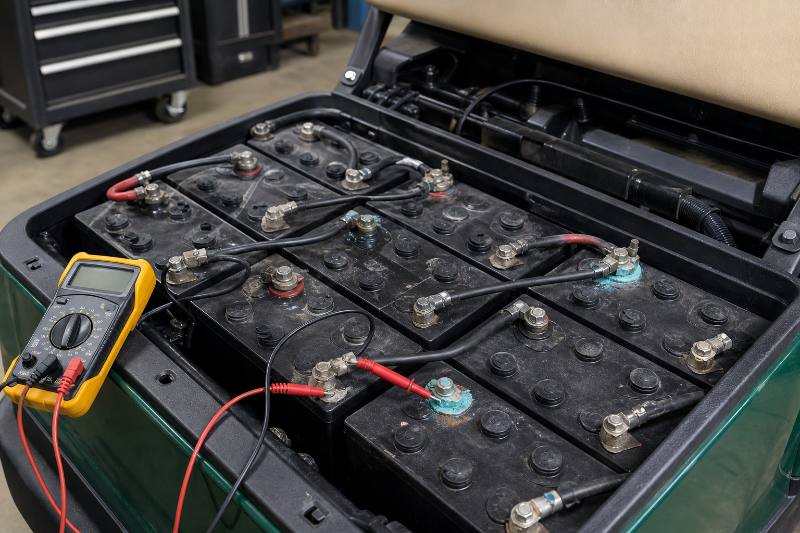
Experiencing Golf Cart Electrical Issues? Get Expert Help!
Don’t let electrical problems sideline your golf cart. Phoenix Golf Car offers comprehensive diagnostic and repair services to get you back on the course swiftly and safely.
Frequently Asked Questions About Golf Cart Electrical Issues
What are the most common electrical issues in golf carts?
Common golf cart electrical issues include battery discharge or failure, faulty solenoids, issues with the controller (especially in electric carts), wiring problems like corrosion or loose connections, and charger malfunctions.
How do I troubleshoot an electric golf cart that won’t start?
Begin by checking the battery voltage. If good, inspect the solenoid for a click when you press the pedal. Look for loose or corroded wiring, especially at the motor and controller. Test the main fuse and key switch for continuity.
Why is my golf cart battery draining so quickly?
Rapid battery draining can stem from several golf cart electrical issues, such as an aging battery nearing the end of its lifespan, parasitic draws from accessories, faulty charging systems, or even a damaged controller causing inefficient power usage.
What are the symptoms of a bad golf cart solenoid?
Symptoms of a bad solenoid often include a golf cart that won’t start or move, a clicking sound but no action, or no sound at all when the pedal is pressed. Sometimes, a solenoid can get stuck open or closed, preventing power flow.
What causes a golf cart controller to fail?
A golf cart controller can fail due to overheating from excessive load, water damage, power surges, or simply age and wear. Poor wiring connections, motor issues, or incorrect battery voltage can also contribute to controller failure.
Why won’t my golf cart charger turn on or charge?
Charger issues could be due to a tripped breaker, a blown fuse in the charger itself, a faulty charger port on the golf cart, or internal damage to the charger’s components. Low battery voltage can also prevent some smart chargers from activating.
How much does it cost to fix common golf cart electrical problems?
The cost to fix golf cart electrical issues varies widely based on the specific problem. Minor repairs like replacing a fuse or tightening a connection might be inexpensive, while major component replacements like a controller or battery pack can be significant investments.
Can water or moisture cause golf cart electrical short circuits?
Yes, water and moisture are significant causes of golf cart electrical short circuits. They can corrode connections, penetrate component housings, and create unintended pathways for electricity, leading to shorts, component failure, or complete system shutdown.
How to prevent future electrical issues in an aging golf cart?
Regular maintenance is key to preventing golf cart electrical issues. This includes routinely checking battery terminals for corrosion, inspecting all wiring for damage or loose connections, keeping the cart clean and dry, and ensuring components are properly protected from the elements.
Learn more from authoritative resources: Consumer Reports and HGTV.