Golf Cart Brake System: 7 Powerful Secrets to Optimal Safety & Performance
The reliability of your Golf Cart Brake System is paramount for both safety and enjoyable rides. Whether you’re navigating the golf course, cruising through your community, or using your cart for utility, a well-maintained braking system is non-negotiable. Understanding the intricacies of your golf cart’s stopping power can prevent accidents, extend the life of your vehicle, and ensure peak performance.
In this comprehensive guide, we will unlock 7 powerful secrets to maintaining, troubleshooting, and upgrading your golf cart’s brake system. From identifying common issues to exploring advanced solutions, we’ll cover everything you need to know to keep your golf cart safe and responsive. Prepare to gain the knowledge that will transform your approach to golf cart maintenance, ensuring every journey is secure.
Key Takeaways for Your Golf Cart Brake System
- Discover the fundamental differences between mechanical drum and hydraulic disc brake systems, and why one might be superior for your cart.
- Learn essential adjustment techniques to ensure balanced and effective stopping power from your Golf Cart Brake System.
- Identify common signs of brake wear and malfunction, empowering you to address issues before they become critical safety hazards.
- Explore powerful upgrade options, including disc brake conversions, to significantly enhance your golf cart’s braking performance and safety.
- Understand the importance of professional installation and regular maintenance for the longevity and reliability of your entire Golf Cart Brake System.
Understanding Your Golf Cart Brake System: Types and Mechanisms
Before diving into maintenance and upgrades, it’s crucial to understand the fundamental types of Golf Cart Brake System designs. Golf carts typically employ one of two primary braking mechanisms: mechanical drum brakes or hydraulic disc brakes. Each system has distinct characteristics, advantages, and maintenance requirements that impact overall safety and performance.
Knowing which type of Golf Cart Brake System your vehicle uses is the first step toward effective troubleshooting and ensuring optimal stopping power. This foundational knowledge will guide your decisions on adjustments, repairs, and potential upgrades, ensuring your cart remains a reliable and safe mode of transport.
Mechanical Drum Golf Cart Brake System
Mechanical drum brakes are the most common type found on many golf carts, especially older models or those designed for standard use. This system relies on a series of cables and linkages to actuate brake shoes inside a drum at each wheel. When you press the brake pedal, tension is applied to these cables, forcing the shoes outward against the rotating drum, creating friction that slows and stops the cart.
While straightforward in design, mechanical drum systems require regular adjustment to compensate for cable stretch and shoe wear. They are generally less powerful than hydraulic systems and can be more susceptible to fading under heavy use or in wet conditions. Proper lubrication and inspection of cables are vital for maintaining an effective mechanical Golf Cart Brake System.
Hydraulic Disc Golf Cart Brake System
Hydraulic disc brakes offer superior stopping power and are increasingly found on newer, lifted, or high-performance golf carts. This advanced Golf Cart Brake System operates on fluid pressure. When the brake pedal is pressed, it activates a master cylinder, which sends hydraulic fluid through lines to calipers at each wheel. The calipers then squeeze brake pads against a rotating disc (rotor), generating friction to stop the cart.
Disc brakes provide more consistent and powerful braking with less pedal effort. They are also less prone to fading and offer better performance in varied conditions. While more complex, their enhanced safety and reliability make them a popular choice for those seeking an upgrade to their existing Golf Cart Brake System.
Mastering Golf Cart Brake System Adjustments for Peak Performance
Proper adjustment is key to a responsive and safe Golf Cart Brake System. Over time, brake cables can stretch, and brake shoes or pads can wear down, leading to a spongy pedal, reduced stopping power, or uneven braking. Regular adjustments ensure that your brakes engage effectively and consistently across all wheels.
This section will guide you through the process of adjusting your golf cart brakes, a task that can significantly improve your driving experience and extend the life of your brake components. Always prioritize safety by working on a level surface and securing your cart before beginning any maintenance.
How to Adjust Golf Cart Brakes
Adjusting your golf cart brakes typically involves accessing the adjustment mechanisms at each wheel. For most mechanical drum brake systems, you’ll find adjustment nuts or star wheels at the brake drum assembly. Begin by safely jacking up your golf cart and supporting it with jack stands. Remove the wheels to gain clear access to the brake drums.
With the wheel off, locate the adjustment point. For star wheel adjusters, use a brake spoon or screwdriver to turn the star wheel until the wheel is snug, then back off slightly until the wheel spins freely with a slight drag. For adjustment nuts on cables, tighten them until the cable is taut but not overly tight, ensuring the wheel can still spin. It’s crucial to adjust both sides equally to prevent uneven braking, which can be dangerous.
After adjusting, test the pedal feel and stopping power in a safe, open area.
When to Bleed a Hydraulic Golf Cart Brake System
If your golf cart has a hydraulic Golf Cart Brake System and you notice a spongy brake pedal or reduced braking efficiency, it might be due to air in the brake lines. Bleeding the brakes removes this air, restoring firm pedal feel and effective stopping power. This process usually requires two people: one to pump the brake pedal and hold pressure, and another to open and close the bleeder valve at each wheel.
Start with the wheel furthest from the master cylinder. Pump the brake pedal several times, then hold it down. While the pedal is held, the second person opens the bleeder valve briefly to release air and fluid, then closes it before the pedal is released. Repeat this process until no air bubbles are visible in the fluid exiting the bleeder valve. Always top off the master cylinder fluid as needed with the correct type of brake fluid.
Troubleshooting Common Golf Cart Brake System Issues
Even with regular maintenance, your Golf Cart Brake System can develop issues. Recognizing the symptoms of common problems early can save you time, money, and potentially prevent a hazardous situation. This section addresses frequent complaints and offers guidance on diagnosing and resolving them effectively.
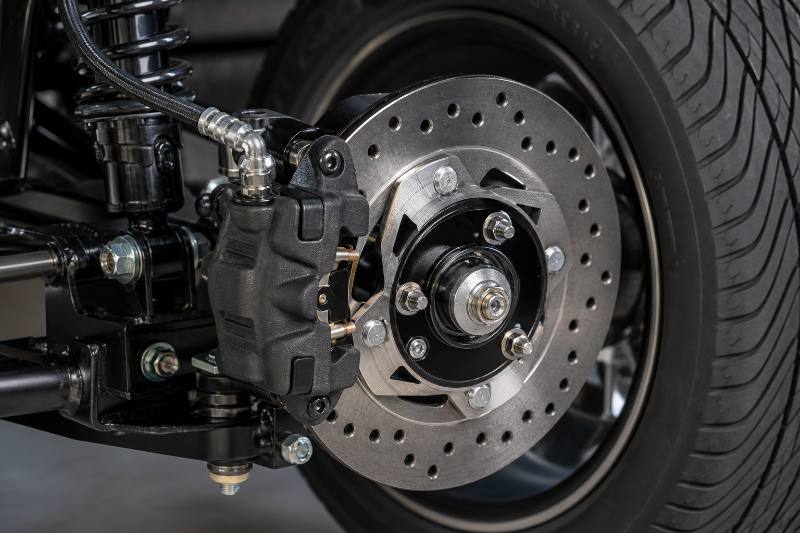
From squealing noises to a complete loss of braking power, understanding the root cause is the first step toward a solution. Always approach brake troubleshooting with caution and consult a professional if you are unsure about any repair.
Why Are My Golf Cart Brakes Not Working Effectively?
Ineffective golf cart brakes can be a serious concern. Several factors can contribute to this problem. Worn brake pads or shoes are a primary culprit, as reduced friction material directly impacts stopping power. For mechanical systems, stretched or frayed brake cables can prevent proper engagement. In hydraulic systems, low brake fluid, air in the lines, or a failing master cylinder can lead to a soft or unresponsive pedal.
Contaminated brake components, such as oil or grease on the shoes or pads, will also drastically reduce friction. Improperly adjusted brakes are another common cause, highlighting the importance of regular checks. A thorough inspection of all components of your Golf Cart Brake System is necessary to pinpoint the exact issue.
How to Troubleshoot a Squealing Golf Cart Brake
Squealing golf cart brakes are not just annoying; they often indicate a problem. The most common cause is worn brake pads or shoes, where the friction material has worn down, causing metal-on-metal contact. Contamination, such as dirt, dust, or moisture, can also lead to squealing. Rust buildup on the brake drums or rotors, especially after periods of inactivity, can also produce noise.
Begin by inspecting the brake components for wear and contamination. Clean the drums, shoes, or pads thoroughly with brake cleaner. If the pads or shoes are significantly worn, replacement is necessary. Ensuring proper adjustment can also help eliminate some squealing issues. If the problem persists after these steps, professional inspection of your Golf Cart Brake System is advisable.
Ensure Peak Safety & Performance with Your Golf Cart Brake System
Phoenix Golf Car offers expert service and premium parts for all golf cart brake systems, ensuring your vehicle performs safely and reliably on every journey.
Upgrading Your Golf Cart Brake System for Enhanced Safety
For many golf cart owners, especially those with lifted carts, modified engines, or who frequently carry heavy loads, the standard Golf Cart Brake System may not provide adequate stopping power. Upgrading your brakes can significantly enhance safety, control, and overall driving confidence. This section explores popular upgrade options that can transform your cart’s braking capabilities.
Investing in a brake system upgrade is a smart decision for anyone looking to maximize their golf cart’s performance and ensure it can handle more demanding situations. From heavy-duty components to full disc brake conversions, there are solutions available to suit various needs and budgets.
Are Golf Cart Disc Brake Conversions Worth It?
For many, converting from mechanical drum brakes to hydraulic disc brakes is one of the most impactful upgrades for a Golf Cart Brake System. Disc brake conversions offer dramatically improved stopping power, better heat dissipation, and more consistent performance, especially in wet conditions or during prolonged braking. This is particularly beneficial for lifted carts, those used for off-roading, or carts that regularly transport multiple passengers or heavy cargo.
While the initial cost and installation complexity are higher than simply replacing drum brake components, the enhanced safety and peace of mind often make disc brake conversions well worth the investment. Brands like Madjax, Red Hawk, and RHOX offer comprehensive kits that include all necessary components for a successful conversion, providing a robust and reliable Golf Cart Brake System.
Can I Upgrade My Golf Cart’s Braking Power for Off-Road Use?
Absolutely. Upgrading your golf cart’s braking power is highly recommended for off-road use, where varied terrain and unpredictable conditions demand superior control. Beyond a full disc brake conversion, other upgrades can improve your Golf Cart Brake System. Installing heavy-duty brake shoes or pads designed for more aggressive use can provide increased friction and heat resistance.
Ensuring your existing system is in peak condition and properly adjusted is also a crucial upgrade in itself. Consider checking and upgrading brake cables to heavy-duty versions if you have a mechanical system. For hydraulic systems, upgrading to braided stainless steel brake lines can offer a firmer pedal feel and more consistent pressure. These enhancements collectively contribute to a safer and more controlled off-road experience.
Essential Maintenance and Parts for Your Golf Cart Brake System
Regular maintenance is the cornerstone of a reliable Golf Cart Brake System. Just like any vehicle, golf carts require periodic inspection and replacement of wear-and-tear components to ensure optimal function. Neglecting these tasks can lead to diminished performance, increased repair costs, and compromised safety.

This section outlines key maintenance practices and provides guidance on where to find the necessary parts to keep your golf cart’s braking system in top condition.
When Should I Replace the Brake Pads on My Golf Cart?
Knowing when to replace brake pads or shoes is vital for maintaining an effective Golf Cart Brake System. Generally, you should replace them when the friction material is less than 1/8 inch thick. Other indicators include a noticeable decrease in braking efficiency, a grinding noise when braking (which suggests metal-on-metal contact), or if the pads/shoes are contaminated with oil or grease, which renders them ineffective.
Regular visual inspections are the best way to monitor wear. During these checks, also look for uneven wear, cracks, or any signs of damage to the brake components. Proactive replacement ensures consistent stopping power and prevents damage to other, more expensive parts of your Golf Cart Brake System, such as drums or rotors.
Where Can I Purchase New Golf Cart Brake Parts Online?
Purchasing new golf cart brake parts online offers convenience and a wide selection. Specialized golf cart parts retailers, such as Golf Cart King, are excellent sources for a comprehensive range of components, including pads, shoes, cables, drums, rotors, and calipers. General e-commerce platforms also carry a variety of parts, but it’s crucial to ensure compatibility with your specific golf cart make, model, and year.
Always double-check part numbers and descriptions before making a purchase. Reading customer reviews can also provide valuable insights into product quality and fitment. Having access to reliable parts ensures that any necessary repairs or upgrades to your Golf Cart Brake System can be completed efficiently.
What Tools Are Needed for Golf Cart Brake Maintenance?
Performing basic golf cart brake maintenance requires a few essential tools. You’ll need a reliable jack and jack stands to safely lift and support the cart, along with a lug wrench to remove the wheels. A socket set and various wrenches (open-end and box-end) will be necessary for loosening and tightening bolts and nuts.
For drum brakes, a brake spoon or a flat-head screwdriver is often used to adjust the star wheel. Brake cleaner is indispensable for cleaning components, and a brake bleeding kit is essential for hydraulic systems. Always wear safety glasses and gloves to protect yourself during maintenance tasks. Having these tools on hand makes maintaining your Golf Cart Brake System much more manageable.
Professional Service for Your Golf Cart Brake System Near You
While many golf cart owners can handle basic maintenance, certain repairs and upgrades to your Golf Cart Brake System are best left to professionals. Complex hydraulic system issues, disc brake conversions, or diagnosing persistent problems often require specialized tools, expertise, and a deep understanding of golf cart mechanics. Seeking professional service ensures that your brakes are installed, repaired, and adjusted correctly, providing maximum safety and performance.
For those in the Phoenix area, Phoenix Golf Car offers expert service and premium parts for all golf cart brake systems. Their experienced technicians have the knowledge and equipment to handle everything from routine adjustments to complete system overhauls, ensuring your vehicle performs safely and reliably on every journey. Trusting your brakes to certified professionals gives you peace of mind.
When considering who installs Golf Cart Brake System components near you, look for reputable dealerships and repair shops with a strong track record. A professional service center will not only perform the work but also provide valuable advice on maintenance schedules and potential upgrades tailored to your specific golf cart and usage patterns. This expertise is invaluable for the long-term health of your braking system.
Conclusion: Ensuring a Reliable Golf Cart Brake System
Maintaining a reliable Golf Cart Brake System is not merely about compliance; it’s about prioritizing safety, extending the life of your vehicle, and enhancing your overall driving experience. From understanding the nuances of mechanical versus hydraulic systems to mastering essential adjustments and recognizing signs of wear, the insights shared in this guide empower you to take proactive steps toward optimal brake performance.
Whether you’re performing routine checks, troubleshooting a squeal, or considering a powerful disc brake conversion, remember that a well-functioning Golf Cart Brake System is the foundation of every safe journey. By applying these 7 powerful secrets, you ensure your golf cart remains a dependable and enjoyable mode of transport for years to come.
Frequently Asked Questions About Your Golf Cart Brake System
What are the common types of golf cart brake systems?
Golf carts primarily utilize mechanical drum brake systems, common on older or entry-level models, and hydraulic disc brake systems, which offer superior stopping power and are found on newer or high-performance carts. Some modern electric golf carts also incorporate regenerative braking.
How do I adjust golf cart brakes?
Adjusting golf cart brakes typically involves locating the adjustment nuts or star wheels at each brake drum assembly. With the cart securely jacked up, turn the adjuster until the wheel is snug, then back off slightly until the wheel spins freely with a slight drag. Ensure both sides are adjusted equally for balanced braking.
Why are my golf cart brakes not working effectively?
Ineffective golf cart brakes can stem from several issues: worn brake pads or shoes, stretched brake cables (for mechanical systems), low hydraulic fluid or air in the lines (for hydraulic systems), contaminated brake components, or improperly adjusted brakes. A professional inspection is recommended.
Where can I purchase new golf cart brake parts online?
New golf cart brake parts, including pads, shoes, cables, drums, rotors, and calipers, can be purchased from specialized golf cart parts retailers online, as well as general e-commerce platforms. Ensure compatibility with your specific golf cart make and model.
How much does it cost to replace a golf cart brake system?
The cost to replace a golf cart brake system varies widely depending on the type of system (mechanical vs. hydraulic), the extent of damage, parts needed, and labor rates. Minor repairs like pad replacement might be a few hundred dollars, while a full system overhaul or conversion can range from $500 to over $1500.
What are the best golf cart brake system upgrade kits?
The best golf cart brake system upgrade kits often involve converting from mechanical drums to hydraulic disc brakes, especially for lifted or high-performance carts. Brands like Madjax, Red Hawk, and RHOX offer comprehensive kits that significantly improve stopping power and safety.
How to troubleshoot a squealing golf cart brake?
Squealing golf cart brakes often indicate worn brake pads/shoes, contamination (like dirt, grease, or moisture), or rust build-up. Inspect the brake components for wear, clean them thoroughly, and ensure proper adjustment. If wear is significant, replacement is necessary.
When should I replace the brake pads on my golf cart?
Brake pads or shoes on your golf cart should be replaced when they show signs of significant wear, typically when the friction material is less than 1/8 inch thick, or if they are contaminated with oil or grease. Listen for grinding noises or reduced braking efficiency as indicators.
Who installs golf cart brake systems near me?
Specialized golf cart dealerships and repair shops, like Phoenix Golf Car in Pompano Beach, FL, offer professional installation and service for all types of golf cart brake systems. They have the expertise and tools to ensure proper installation and optimal performance.
What is the difference between mechanical and hydraulic golf cart brakes?
Mechanical golf cart brakes use cables and linkages to physically actuate the brake shoes/pads. Hydraulic brakes, on the other hand, use fluid pressure to actuate calipers or wheel cylinders, providing more consistent and powerful stopping force with less pedal effort.
Are golf cart disc brake conversions worth it?
Golf cart disc brake conversions are highly worth it for carts that are frequently used for off-roading, have lifted suspensions, carry heavy loads, or simply for owners seeking superior safety and braking performance compared to standard drum brakes.
How to bleed a hydraulic golf cart brake system?
Bleeding a hydraulic golf cart brake system involves removing air from the brake lines. This process typically requires two people: one to pump the brake pedal and hold pressure, and another to open and close the bleeder valve at each wheel, starting with the wheel furthest from the master cylinder.
Where can I find a golf cart brake system diagram?
Golf cart brake system diagrams can usually be found in your golf cart’s owner’s manual, service manual, or online through parts retailers and manufacturer websites. These diagrams are crucial for identifying components and troubleshooting.
What tools are needed for golf cart brake maintenance?
Basic tools for golf cart brake maintenance include a jack and jack stands, lug wrench, socket set, wrenches, screwdrivers, brake spoon (for drum brakes), brake cleaner, and potentially a brake bleeding kit for hydraulic systems. Safety glasses and gloves are also essential.
Can I upgrade my golf cart’s braking power for off-road use?
Yes, upgrading your golf cart’s braking power is highly recommended for off-road use. This typically involves installing heavy-duty brake shoes, upgrading to hydraulic disc brakes, or ensuring your existing system is in peak condition and properly adjusted for the added stress of off-road terrain.