Custom Cart Design: 5 Transformative Steps to Your Dream Golf Car
Custom Cart Design is more than just a service; it’s an opportunity to transform a standard golf car into a personalized statement of style, utility, or brand identity. For many, a golf car is an essential part of daily life, whether navigating a golf course, a sprawling community, or a bustling corporate campus. Yet, the standard models often fall short of truly reflecting individual needs or aspirations, leaving room for a bespoke approach.
This comprehensive guide will walk you through the visionary process of bringing your dream golf car to life. We will explore the critical steps involved, from initial concept to final fabrication, ensuring every detail aligns with your unique vision. Discover how expert Custom Cart Design can elevate your experience and make every journey exceptional, reflecting your personal touch.
Key Takeaways
- Understand the transformative power of Custom Cart Design in creating a golf car that perfectly reflects your personal style or business needs.
- Learn the five essential steps, from envisioning features to understanding maintenance, for a successful custom build.
- Discover why collaborating with experienced designers and builders is crucial for achieving high-quality, functional, and aesthetically pleasing results.
- Explore the range of materials, features, and financial considerations involved in a bespoke golf car project.
What is Custom Cart Design? Unlocking Your Vision
Custom Cart Design goes far beyond simply choosing a paint color or adding a new set of wheels. It involves a meticulous process of tailoring every aspect of a golf car to meet specific aesthetic, functional, and performance requirements. This bespoke approach transforms a generic vehicle into a unique extension of its owner’s personality or a powerful asset for a business. It’s about creating something truly one-of-a-kind, designed from the ground up to fulfill a precise vision.
The purpose of custom cart design is multifaceted. For individuals, it’s about personal expression, enhancing comfort, or boosting performance on the course with specialized features. For businesses, it’s a strategic investment in branding, operational efficiency, and delivering exceptional customer experiences. A custom cart can serve as a mobile billboard, a specialized utility vehicle, or a luxurious transport for VIP guests, all while reflecting a professional image.
The Purpose of Custom Cart Design
At its heart, the purpose of Custom Cart Design is to move beyond the limitations of factory models, which often offer limited choices. It allows for the integration of specialized features, advanced technology, and unique styling elements that are simply not available off the shelf. This ensures the final product perfectly aligns with the user’s vision and practical needs, creating a vehicle that is both highly functional and visually striking.
Why Businesses Invest in Custom Cart Design
Businesses across various sectors increasingly recognize the value of investing in Custom Cart Design. A bespoke cart can significantly enhance brand visibility, creating a memorable impression on clients and guests. For resorts, corporate campuses, or event venues, a fleet of custom-designed carts provides a cohesive, professional image and specialized functionality. They can be equipped for specific tasks, from guest transport to maintenance, improving overall operational efficiency and offering a competitive edge in a crowded market.
Step 1: Envisioning Your Dream Custom Cart Design
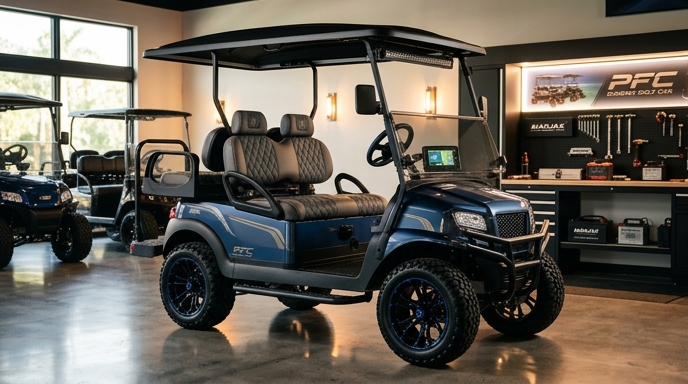
The first and arguably most crucial step in the journey of Custom Cart Design is to clearly define your vision. This involves a deep dive into what you want your golf car to look like, how it will perform, and what specific functions it needs to fulfill. Consider its primary use: will it be for leisurely rides, heavy-duty utility, or a blend of both? This initial conceptualization lays the groundwork for all subsequent decisions, guiding the entire build process.
Start by gathering inspiration from various sources. Look at existing custom carts, automotive designs, or even architectural styles that resonate with you. Think about colors, textures, overall themes, and the desired ambiance. This brainstorming phase is where your imagination can truly run wild, setting the stage for a truly unique and personal Custom Cart Design that stands apart.
Defining Essential Features for Your Custom Cart Design
Once you have a general aesthetic in mind, it’s time to pinpoint the essential features. These can range from practical necessities to luxury enhancements, tailored to your specific requirements. Consider the seating configuration – a compact two-seater, a family-friendly four-seater, or an expansive six-seater for larger groups? What kind of power source do you prefer: electric with specific battery types (like lithium-ion for extended range and faster charging) or gas for continuous power?
Storage solutions are also key, whether it’s a utility bed for hauling equipment, secure cargo boxes, or specialized compartments for personal items. Lighting is another critical element; think bright LED headlights, functional taillights, turn signals for safety, or even underglow for a distinctive look. Sound systems, advanced digital dashboards, GPS integration, and USB charging ports can significantly elevate the user experience.
Don’t forget wheel and tire choices, which impact both aesthetics and performance on different terrains, and the paint or wrap finishes that will define its visual appeal. Every choice contributes to the overall Custom Cart Design.
Exploring Ergonomics and Accessibility in Custom Cart Design
Beyond aesthetics and basic functionality, modern Custom Cart Design increasingly focuses on ergonomics and accessibility. A cart should not only look good but also be comfortable and easy for everyone to use, regardless of physical ability. This might involve features like adjustable seating, specialized controls for drivers with unique needs, or modified entryways for easier access.
For enhanced accessibility, features like integrated ramps or lifts for wheelchair users can be seamlessly integrated, ensuring inclusivity. Ergonomic considerations include optimized seat cushioning, thoughtful steering wheel design, and precise pedal placement to maximize driver and passenger comfort, especially during extended use. These thoughtful additions make a custom cart truly user-centric and enjoyable for all.
Step 2: Collaborating with Experts in Custom Cart Design
Bringing your vision to life requires the expertise of seasoned professionals. Collaborating with a specialized custom cart designer or builder is paramount to ensure your ideas are not only feasible but also executed with precision and quality. Their experience can guide you through complex choices and prevent costly mistakes, making the Custom Cart Design process seamless and rewarding.
An expert team understands the nuances of materials, structural integrity, and electrical systems. They can offer insights into the latest trends and technologies, ensuring your custom cart is both innovative and durable. This partnership transforms abstract ideas into tangible, high-performance vehicles, built to exact specifications.
The Process of Working with a Custom Cart Designer
The collaboration process typically begins with an initial consultation, where you articulate your vision, needs, and budget in detail. The designer will then translate these ideas into design proposals, often including digital mock-ups or 3D renderings to visualize the final product. This iterative process allows for feedback and adjustments until the design perfectly matches your expectations, ensuring complete satisfaction.
Material selection and component sourcing are also integral parts of this phase, ensuring every element contributes to the final Custom Cart Design. Regular communication and progress updates are standard, keeping you informed and involved at every stage of the build.
Finding the Best Companies for Custom Cart Design
Identifying the best companies specializing in Custom Cart Design involves thorough research and due diligence. Look for authorized dealers of major golf car brands that also offer extensive customization services, as they often have access to genuine parts and specialized training. Specialized custom shops with a strong portfolio of bespoke builds are also excellent choices, often showcasing unique and innovative projects.
Companies like Phoenix Golf Car, for instance, are renowned for their expertise, offering comprehensive services and a wide range of customization options for various models. Reviews, testimonials, and a gallery of past projects are great indicators of quality, capability, and customer satisfaction. Always prioritize experience and a proven track record.
Initial Consultations for Custom Cart Design
Most reputable Custom Cart Design services offer initial consultations before any financial commitment is required. These sessions are invaluable for discussing your vision, assessing feasibility, and receiving preliminary estimates. It’s an opportunity to ask questions, understand the scope of work, and ensure there’s a mutual understanding between you and the designer regarding the project’s goals and timeline.
This foundational step ensures transparency and alignment from the outset of your project, building trust and confidence in the custom build process. It allows both parties to establish clear expectations and a shared understanding of the desired outcome for your unique cart.
Step 3: Material Selection and Craftsmanship in Custom Cart Design
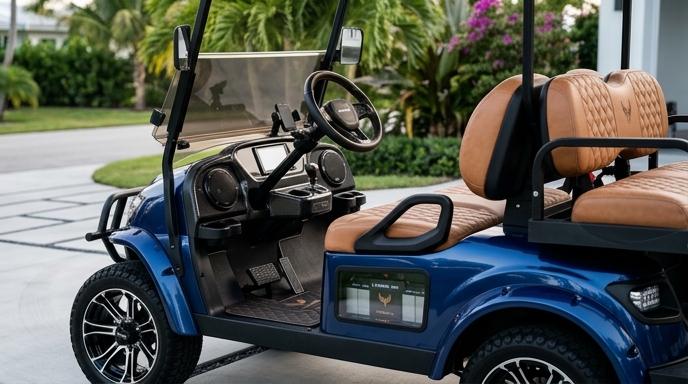
The choice of materials profoundly impacts the durability, performance, and aesthetic appeal of your custom golf car. High-quality craftsmanship ensures that your Custom Cart Design not only looks exceptional but also stands the test of time and rigorous use. This phase involves selecting components that meet both your functional requirements and sophisticated design preferences, ensuring longevity and reliability.
Expert builders understand how different materials interact with environmental factors and usage patterns. They guide clients toward choices that offer the best balance of aesthetics, durability, and cost-effectiveness. This meticulous attention to material selection is a hallmark of superior custom work.
Common Materials in Custom Cart Manufacturing
For frames, high-grade aluminum or steel are commonly used due to their inherent strength, lightweight properties, and excellent corrosion resistance, especially important in humid climates. Body panels often utilize durable fiberglass or ABS plastic, which can be molded into intricate shapes and finished with high-quality paints or wraps for a flawless look. Marine-grade vinyl is a popular choice for seating, offering resilience against weather, UV exposure, and wear, ensuring comfort and longevity.
Specialized composites can be incorporated for structural enhancements, weight reduction, or unique design elements, pushing the boundaries of what’s possible. The careful selection of these materials, combined with expert fabrication techniques, is integral to a superior Custom Cart Design that performs as beautifully as it looks.
Examples of Custom Designed Carts for Industries
The versatility of Custom Cart Design is evident across numerous industries, showcasing how tailored solutions can meet diverse operational needs. In hospitality, luxury resorts might feature carts with plush seating, integrated coolers, and custom branding for guest transport. Corporate campuses often use branded utility carts for maintenance, security patrols, or inter-office travel, enhancing efficiency and company image.
Event management companies deploy specialized carts for equipment transport, mobile concessions, or VIP shuttles, streamlining operations. Agriculture and warehousing benefit from heavy-duty carts with custom utility beds, towing capabilities, and rugged tires for demanding environments. These examples highlight how bespoke solutions address specific operational demands and enhance brand presence. For more in-depth insights into advanced customization materials and techniques, visit this comprehensive guide to golf cart customization.
Step 4: Understanding the Investment in Custom Cart Design
A custom golf car is a significant investment, and understanding the financial aspects is a critical step in the Custom Cart Design process. Costs can vary significantly based on the complexity of the design, the materials chosen, and the extent of modifications. Transparency in pricing and available financing options are key considerations for any client embarking on a custom build.
It’s important to view this as an investment in a specialized asset that offers long-term value, whether through enhanced personal enjoyment or improved business operations. A detailed quote ensures you understand where your investment is going, covering everything from labor to specialized parts and finishes.
Typical Costs for a Custom Cart Design Project
The cost of a Custom Cart Design project can range widely, reflecting the degree of personalization and engineering involved. Basic cosmetic upgrades, such as a new paint job, custom decals, or unique wheels, might start from a few hundred dollars. However, full, ground-up bespoke builds incorporating advanced technology, luxury finishes, and extensive structural modifications can easily range from $5,000 to well over $20,000, not including the base cart itself.
Factors like battery type (e.g., advanced lithium-ion), motor upgrades for increased power, sophisticated suspension modifications, and integrated electronics (like premium sound systems or GPS) all contribute significantly to the final price. A detailed breakdown from your designer will clarify these costs.
Financing Options for Custom Cart Design and Build
Many custom cart design and build providers, including reputable dealers and specialized shops, offer financing options to make bespoke projects more accessible. These can include various payment plans, flexible loans, or lease agreements tailored to individual or business needs. Exploring these options can help manage the investment and make your dream cart a reality without immediate full payment.
It’s always advisable to inquire directly with the provider about their available financing solutions and the pre-approval process. This ensures your dream Custom Cart Design is within reach and aligns with your financial planning, allowing for a smooth and stress-free acquisition.
Elevate your ride today! Explore more customization options and services at Phoenix Golf Car.
Step 5: Maintenance and Longevity of Your Custom Cart Design
Ensuring the longevity and optimal performance of your custom golf car requires thoughtful and consistent maintenance. While a bespoke build offers unique features and enhanced capabilities, it also means understanding specific care requirements to preserve your investment. Proper maintenance is crucial for any Custom Cart Design to retain its aesthetic appeal and functional integrity over time.
Regular checks and adherence to recommended service schedules will protect your custom components and ensure your cart operates reliably for years to come. This proactive approach prevents minor issues from becoming major repairs, safeguarding your unique vehicle.
Maintenance Considerations for Custom Designed Carts
Maintenance considerations for custom designed carts depend heavily on the added features and modifications. Standard golf car maintenance, such as regular checks of the powertrain, brakes, and tires, remains essential for safe operation. However, custom electrical systems (for advanced lighting or sound), specialized suspensions, or unique bodywork might require specific cleaning products, professional inspections, and periodic adjustments.
Following the manufacturer’s guidelines for any aftermarket parts is also vital to ensure the continued functionality and aesthetic appeal of your Custom Cart Design. Specialized care for custom paint, wraps, or upholstery will keep your cart looking pristine, reflecting the quality of its original build.
How Long Does the Custom Cart Design Process Take?
The timeline for a Custom Cart Design and fabrication process can vary significantly based on complexity and component availability. Simple modifications, such as a new body kit or upgraded wheels, might be completed in as little as 4-6 weeks. More extensive rebuilds or projects requiring unique component fabrication and complex integrations can take anywhere from 8 to 12 weeks, or even longer, due to the intricate nature of bespoke work.
Factors such as the availability of specialized parts, the complexity of the design, and the builder’s current workload all influence the overall duration. A clear timeline will be established during your initial consultation, providing a realistic expectation for when your custom cart will be ready.
Custom Cart Design offers an unparalleled opportunity to create a golf car that truly stands out and perfectly serves its purpose. From the initial spark of an idea to the final polished product, each of the five visionary steps plays a crucial role in transforming a standard vehicle into a personalized masterpiece. By carefully considering your vision, collaborating with experts, selecting the right materials, understanding the investment, and planning for maintenance, you ensure a successful and satisfying outcome.
Whether for personal enjoyment or business enhancement, a custom-designed golf car reflects attention to detail and a commitment to quality. The journey of Custom Cart Design is an exciting one, culminating in a vehicle that is not just a mode of transport but a powerful statement of individuality and purpose.
Frequently Asked Questions About Custom Cart Design
What is custom cart design and its purpose?
Custom cart design involves tailoring golf cars to specific aesthetic and functional preferences, moving beyond standard models. Its purpose is to create a unique vehicle that reflects the owner’s personality, supports a business’s brand, or meets specialized operational needs, such as enhanced utility or luxury features.
Why should a business invest in a custom cart design?
Businesses invest in custom cart design to enhance brand visibility, provide unique customer experiences, and improve operational efficiency. A bespoke cart can serve as a mobile advertisement, a distinctive transport solution for guests, or a specialized utility vehicle perfectly adapted to specific tasks, offering a competitive edge.
How much does a custom cart design project typically cost?
The cost of a custom cart design project varies widely depending on the extent of customization, materials chosen, and features added. Basic cosmetic upgrades might start from a few hundred dollars, while full, ground-up bespoke builds with advanced technology and luxury finishes can range from $5,000 to well over $20,000, not including the base cart.
Who are the best companies specializing in custom cart design?
Leading companies in custom cart design often include authorized dealers of major golf car brands, specialized custom shops, and those with a strong portfolio of bespoke builds. Phoenix Golf Car, for instance, excels in custom cart design, offering expert services and a wide range of customization options for various models.
Where can I find examples of custom designed carts for different industries?
Examples of custom designed carts can be found on specialist dealer websites, industry trade show galleries, and online portfolios of customizers. For various industries like hospitality, corporate campuses, or even personal luxury, you can often see unique adaptations ranging from food service carts to security patrol vehicles.
What materials are commonly used in custom cart manufacturing?
Common materials in custom cart manufacturing include high-grade aluminum or steel for frames, durable fiberglass or ABS plastic for body panels, marine-grade vinyl for seating, and specialized composites for structural enhancements. High-quality paints, wraps, and upholstery also play a significant role in the aesthetic finish.
How long does the custom cart design and fabrication process take?
The custom cart design and fabrication process typically takes anywhere from 4 to 12 weeks, depending on the complexity of the project and the availability of parts. Simple modifications might be quicker, while extensive rebuilds or unique component fabrication will require a longer timeline.
What are the essential features to consider for a custom cart design?
Essential features for custom cart design include seating configuration (2, 4, 6-seater), power source (electric or gas, and battery type), storage solutions (utility beds, cargo boxes), lighting (LED, underglow), sound systems, wheel and tire choices, paint or wrap finishes, and advanced technology integrations like GPS or charging ports.
Can custom carts be designed to be ergonomic or accessible?
Yes, custom carts can absolutely be designed for enhanced ergonomics and accessibility. This might involve features like adjustable seating, specialized controls for easier operation, ramps or lifts for wheelchair access, and modified entryways to accommodate diverse user needs, ensuring comfort and ease of use for all.
What is the process for collaborating with a custom cart designer?
The collaboration process with a custom cart designer typically begins with an initial consultation to discuss vision, needs, and budget. This is followed by design proposals, material selection, digital mock-ups, client approvals, and then the fabrication phase. Regular communication ensures the final product aligns with expectations.
Do custom cart design services offer consultations before commitment?
Most reputable custom cart design services, including Phoenix Golf Car, offer initial consultations before requiring a full commitment. These consultations are crucial for understanding the client’s vision, discussing feasibility, providing initial estimates, and ensuring a mutual understanding of the project scope.
What industries benefit most from bespoke cart solutions?
Industries that benefit most from bespoke cart solutions include hospitality (resorts, hotels), real estate (tours), corporate campuses, sports venues, event management, agriculture, and warehousing. Custom carts provide efficient, branded, and specialized transport or utility functions tailored to their unique operational demands.
How can I get a quote for a custom cart design based on my specifications?
To get a quote for a custom cart design, contact a specialist provider like Phoenix Golf Car directly via phone or their website. Be prepared to discuss your specific requirements, desired features, aesthetic preferences, and budget. Providing detailed specifications will help ensure an accurate and comprehensive quote.
Are there financing options available for custom cart design and build?
Many custom cart design and build providers, including Phoenix Golf Car, offer financing options to make bespoke projects more accessible. These can include various payment plans, loans, or lease agreements. It’s best to inquire directly with the provider about their available financing solutions and pre-approval processes.
What maintenance considerations are there for custom designed carts?
Maintenance considerations for custom designed carts depend on the added features. Generally, regular checks of the powertrain, brakes, and tires are standard. Custom electrical systems, specialized suspensions, or unique bodywork might require specific care, professional cleaning, and periodic inspections to preserve their condition and functionality.