Buying Golf Cart Tips: 8 Essential Steps for a Perfect Purchase
Buying Golf Cart Tips are crucial for navigating the market wisely and ensuring you make an informed decision. Whether you’re a seasoned golfer, a community resident, or a business owner, acquiring the right golf cart involves more than just picking a color. It requires careful consideration of your needs, budget, and the cart’s condition. This comprehensive guide will walk you through eight essential steps to ensure a perfect golf cart purchase, from initial research to final inspection.
The market for golf carts is diverse, offering everything from basic models to highly customized vehicles. Understanding the nuances between new and used, gas and electric, and various brands can save you time, money, and potential headaches. Our goal is to equip you with the knowledge to approach your purchase with confidence, ensuring your new golf cart perfectly matches your lifestyle and requirements.
Key Takeaways for Buying Golf Cart Tips
- Understand your specific needs and budget before exploring options, as these are fundamental Buying Golf Cart Tips.
- Differentiate between gas and electric models, considering maintenance, range, and environmental impact.
- Thoroughly inspect any used golf cart for mechanical issues, battery health, and structural integrity.
- Research reputable brands known for durability and strong resale value to ensure a smart investment.
- Be aware of common scams and ensure all necessary paperwork is in order, especially with private sellers.
Understanding Your Needs: Essential Buying Golf Cart Tips
Before diving into the vast selection of golf carts available, it’s paramount to clearly define your needs and set a realistic budget. This foundational step is among the most important Buying Golf Cart Tips you can follow. Consider how you intend to use the cart, the terrain it will traverse, and how many passengers it needs to accommodate. These factors will significantly influence whether a gas or electric model, and a new or used cart, is best for you.
Thinking about your primary use case will guide many of your subsequent decisions. Will it be for leisurely rides around a community, transporting equipment on a large property, or strictly for the golf course? Each scenario has different requirements for power, speed, seating, and cargo capacity. A clear understanding here will prevent overspending on unnecessary features or underbuying a cart that doesn’t meet your demands.
How Much Should I Budget for Buying Golf Cart Tips?
Setting a budget is a critical part of any purchase, and Buying Golf Cart Tips are no exception. The cost of a golf cart can vary dramatically, ranging from a few thousand dollars for a basic used model to over $20,000 for a new, fully customized luxury cart. Your budget should account for the initial purchase price, potential accessories, and ongoing maintenance costs.
New golf carts typically start around $8,000 for a standard 2-seater and can go much higher for multi-passenger or utility models. Used carts offer a more budget-friendly entry point, with prices generally between $3,000 and $10,000. Remember to factor in potential upgrades like custom wheels, lifted suspensions, or advanced infotainment systems if those are on your wish list. Always leave a little room in your budget for unexpected maintenance, especially with older models.
Gas vs. Electric: Key Differences in Buying Golf Cart Tips
One of the most fundamental decisions when considering Buying Golf Cart Tips is choosing between a gas-powered or electric-powered golf cart. Each type offers distinct advantages and disadvantages that cater to different user preferences and operational needs. Your choice will impact everything from performance and maintenance to environmental footprint and noise levels.
Gas golf carts typically offer a longer range and quicker refueling, making them ideal for extensive use without frequent stops. They often provide more power, which can be beneficial for hilly terrains or carrying heavier loads. However, they require more maintenance, produce emissions, and are considerably noisier than their electric counterparts. Electric golf carts, conversely, are quiet, environmentally friendly, and require less routine maintenance. Their main drawbacks include a limited range per charge and longer ‘refueling’ times, as batteries need several hours to fully recharge. Consider your typical usage and access to charging or fueling stations.
New vs. Used Golf Cart Tips: Making the Right Choice
Deciding between a new or used golf cart is another significant step in your Buying Golf Cart Tips journey. Both options present unique benefits and drawbacks. New carts offer the latest technology, full warranties, and the assurance of no prior wear and tear. They come with the peace of mind that all components are fresh from the factory, and you can often customize them to your exact specifications.
Used golf carts, while more affordable, require a more diligent inspection process. They can be an excellent value if you find a well-maintained model, but they also carry higher risks of hidden issues or components nearing the end of their lifespan, such as batteries. If considering a used cart, prioritize models from reputable dealers who offer certified pre-owned options and limited warranties. Private sales can offer the lowest prices but often come with the highest risk.
Top Golf Cart Brands for Durability and Resale Value (PAA 5, PAA 13)
When it comes to Buying Golf Cart Tips, brand reputation plays a crucial role in durability, reliability, and resale value. Investing in a well-regarded brand can ensure you have a dependable vehicle and a strong return on investment should you decide to sell in the future. Certain manufacturers have consistently proven their quality and customer satisfaction over many years.
Leading brands renowned for their robust construction and excellent performance include Club Car, EZ-GO, and Yamaha. These manufacturers are known for their quality components, widespread parts availability, and extensive dealer networks. Madjax also offers reputable options, particularly with their X-Series and E-Series models, which are known for their customization potential and solid performance. Researching these brands and their specific models will help you narrow down your choices to reliable options.
Ready to explore your options or need expert advice on Buying Golf Cart Tips?Visit Phoenix Golf Car’s financing options today to find the perfect cart for your needs!
Where to Buy and What to Look For: Critical Buying Golf Cart Tips
Once you have a clear idea of your needs and budget, the next phase of Buying Golf Cart Tips involves finding the right seller and thoroughly evaluating potential carts. The source of your purchase can significantly impact the quality of the cart and the level of support you receive. Equally important is a meticulous inspection process to uncover any hidden issues before you commit.
Whether you choose a dealership or a private seller, being prepared with a checklist and knowing what questions to ask will empower you. This section will guide you through the best places to buy, how to conduct a thorough inspection, and what to inquire about to ensure transparency and a sound investment. Vigilance at this stage is key to avoiding costly mistakes.
Best Places for Buying Golf Cart Tips: Online or Local?
The decision of where to purchase your golf cart is a significant one among effective Buying Golf Cart Tips. Each avenue—local dealerships, online marketplaces, and private sellers—comes with its own set of advantages and disadvantages. Your choice should align with your comfort level regarding risk, your need for support, and your desire for selection.
Local authorized dealerships, like Phoenix Golf Car, offer new and certified used models, often accompanied by warranties, financing options, and dedicated service support. They provide a hands-on experience, allowing you to test drive and inspect carts in person. Private sellers, found through classifieds or online platforms, typically offer lower prices for used carts but come with higher risks, as there are no guarantees or after-sale support. Online marketplaces provide a wider selection but require careful vetting, potentially long-distance inspections, and arranging transportation. For reliable service and selection, a local dealer is often preferred, especially for first-time buyers.
Inspecting a Golf Cart: Essential Buying Golf Cart Tips
A thorough inspection is non-negotiable when it comes to Buying Golf Cart Tips, especially for used models. This step can prevent you from purchasing a cart with significant underlying problems. Don’t rush this process; take your time to examine every aspect of the vehicle, both cosmetically and mechanically. If you’re not mechanically inclined, consider bringing a knowledgeable friend or hiring a professional inspector.
Begin with a visual check of the frame for rust, cracks, or signs of collision damage. Inspect the tires for wear, proper inflation, and any dry rot. Test the brakes for responsiveness and consistency. Examine the steering mechanism for excessive play. For electric carts, check battery terminals for corrosion, and inquire about the battery’s age and maintenance history. For gas carts, look for fluid leaks, listen to the engine for unusual noises, and check oil levels. Always test all lights, the horn, and ensure seating is free from tears or damage. A test drive is crucial to assess acceleration, braking, and overall handling.
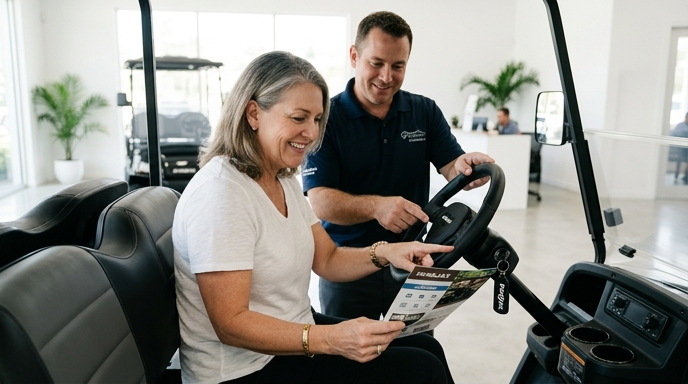
What Questions to Ask When Buying Golf Cart Tips (PAA 6)
Asking the right questions is a powerful tool in your arsenal of Buying Golf Cart Tips. Whether you’re dealing with a dealer or a private seller, probing for specific information can reveal a lot about the cart’s history, condition, and value. Don’t hesitate to ask for documentation or proof of claims.
For any golf cart, inquire about its age, mileage or hours of use, and a complete maintenance history. Ask about any known issues, past accidents, or modifications. If it’s an electric cart, specifically ask about the battery age, type, and charging habits. For gas carts, request engine service records. Always ask why the seller is parting with the cart. With private sellers, request proof of ownership and a clear title if applicable. A reputable seller will be transparent and willing to provide all necessary information.
Avoiding Scams: Smart Buying Golf Cart Tips (PAA 10)
Unfortunately, the golf cart market, like any other, can have its share of scams. Being aware of common pitfalls is a vital component of effective Buying Golf Cart Tips. Vigilance and common sense are your best defenses against fraudulent transactions or misrepresented vehicles. Always prioritize safety and security in your dealings.
Watch out for deals that seem too good to be true, as they often are. Be wary of sellers who demand payment before you’ve seen the cart, or who pressure you into a quick decision. Always meet in a public place if dealing with a private seller, and never go alone. Verify the seller’s identity and the cart’s VIN (Vehicle Identification Number) to ensure it matches the paperwork. Avoid sellers who refuse a test drive or a professional inspection. Using secure payment methods and avoiding cash transactions for large sums can also protect you from potential fraud. The Federal Trade Commission offers additional advice on avoiding scams.
Financing, Paperwork, and Long-Term Value: Advanced Buying Golf Cart Tips
The final stages of Buying Golf Cart Tips involve understanding the financial aspects, securing the necessary documentation, and considering the long-term value of your investment. These elements are crucial for a smooth transaction and ensuring you’re satisfied with your purchase for years to come. Don’t overlook these details, as they can have significant implications.
From exploring financing options to understanding warranties and potential accessories, a holistic approach ensures you’re prepared for every aspect of golf cart ownership. This section will cover how to finance your purchase, what paperwork is essential, why some carts are more expensive, and the importance of accessories and warranties for maximizing your cart’s value and lifespan.
Financing Your Purchase: Buying Golf Cart Tips and Rates (PAA 9)
Many individuals consider financing their golf cart purchase, and understanding the options is a key part of smart Buying Golf Cart Tips. Financing can make a higher-quality cart more accessible or allow you to preserve your cash flow. Both dealerships and financial institutions often provide loan options for new and used golf carts.
Rates can vary significantly based on your credit score, the loan term, and whether the cart is new or used. Dealerships like Phoenix Golf Car often provide flexible financing options and can assist with pre-approval, streamlining your purchase process. It’s always wise to compare offers from multiple lenders to secure the best possible interest rate and terms. Be sure to understand the total cost of the loan, including any fees, before committing.
Necessary Paperwork for Buying Golf Cart Tips (PAA 8)
Proper documentation is paramount when considering Buying Golf Cart Tips, especially when purchasing from a private seller. Failing to secure the correct paperwork can lead to legal complications, ownership disputes, or difficulty registering the vehicle if required in your area. Always ensure you receive and verify all essential documents.
Key paperwork typically includes a bill of sale, which should detail the buyer and seller’s information, the cart’s VIN, make, model, year, and the agreed-upon price. For newer carts or those registered for street use, a clear title or certificate of origin is essential. If a warranty is included, ensure you receive the documentation for that as well. Always keep copies of all transaction records for your personal files.
Understanding Golf Cart Pricing: Why Some are More Expensive (PAA 11)
When exploring Buying Golf Cart Tips, you might notice a significant price disparity between different models. This variation is not arbitrary; it’s influenced by several factors that contribute to a cart’s overall value, performance, and features. Understanding these elements can help you justify the cost and make a more informed decision.
Higher prices often reflect advanced features such as lifted suspensions, custom wheels, upgraded seating, advanced battery technology (for electric carts), or more powerful engines (for gas carts). Luxury models may include infotainment systems, premium paint jobs, or specialized utility configurations. Brand reputation, build quality, and the inclusion of a comprehensive warranty also play a role. New carts will naturally be more expensive than used ones, and specialized utility carts typically cost more than basic recreational models due to their enhanced capabilities and robust construction.
Accessories and Warranties: Enhancing Your Buying Golf Cart Tips (PAA 12, PAA 14, PAA 15)
Beyond the core purchase, considering accessories and warranties are crucial Buying Golf Cart Tips for optimizing your golf cart experience and protecting your investment. Accessories can enhance functionality, comfort, and aesthetics, while a warranty provides peace of mind against unexpected repairs.
Common accessories include custom enclosures for weather protection, upgraded headlights and taillights for safety, rear seats that convert to cargo beds, and advanced sound systems. For electric carts, a high-quality charger is essential. Regarding warranties, new carts typically come with a manufacturer’s warranty, covering major components for a set period. For used carts, inquire about any remaining manufacturer’s warranty or if the dealer offers a limited warranty. An extended warranty can be a worthwhile investment, especially for used carts, to cover potential repairs. The average lifespan of a golf cart battery, for example, is typically 3-5 years, and replacement can be costly, making warranty coverage valuable.
Frequently Asked Questions About Buying Golf Cart Tips
What are the essential tips for buying a used golf cart?
When buying a used golf cart, prioritize a thorough inspection of the battery or engine, tires, brakes, and steering. Check for rust, frame damage, and signs of improper maintenance. Always verify the cart’s history and mileage, and consider a test drive to assess its performance. Ensure all lights and accessories are functioning correctly.
How much should I budget for a reliable golf cart?
The budget for a reliable golf cart varies widely. A new, basic 2-seater might start around $8,000, while a luxury custom model can exceed $20,000. Used carts can range from $3,000 to $10,000 depending on age, condition, and features. Factor in potential maintenance costs, accessories, and insurance when setting your budget.
Where is the best place to buy golf carts online or locally?
Locally, authorized dealerships like Phoenix Golf Car offer new and certified used models, warranties, and service support. Private sellers are an option for used carts but come with higher risks. Online marketplaces provide a wider selection but require careful vetting and potentially long-distance inspections. For reliable service and selection, a local dealer is often preferred.
What are the key differences between buying a gas vs. electric golf cart?
Gas golf carts offer longer range, quick refueling, and more power for hills or heavy loads, but require more maintenance and are noisier. Electric golf carts are quieter, environmentally friendly, and require less maintenance, but have limited range per charge and longer ‘refueling’ times. Your choice depends on intended use, terrain, and preference for noise/emissions.
Which golf cart brands are known for durability and resale value?
Leading brands renowned for durability, reliability, and strong resale value include Club Car, EZ-GO, and Yamaha. These manufacturers have established reputations for quality components, robust frames, and widespread parts availability. Madjax also offers reputable options, particularly with their X-Series and E-Series models known for customization and performance.
What questions should I ask a seller when purchasing a golf cart?
Ask about the cart’s age, mileage/hours, maintenance history, and reasons for selling. Inquire about any known issues, battery age (for electric carts) or engine service records (for gas carts). Ask if it has been modified, stored indoors, and if any accidents have occurred. Request proof of ownership and a clear title if applicable.
How do I inspect a golf cart to ensure it’s in good condition before buying?
Visually check the frame for rust or damage. Inspect tires for wear and proper inflation, and test brakes for responsiveness. Examine the steering mechanism for play. For electric carts, check battery terminals for corrosion and battery age. For gas carts, look for fluid leaks and listen to the engine. Test all lights, horn, and seating for tears.
Can I finance a golf cart purchase, and what are the typical rates?
Yes, many dealerships and financial institutions offer financing for golf cart purchases, both new and used. Rates can vary significantly based on your credit score, the loan term, and whether the cart is new or used. Dealerships like Phoenix Golf Car often provide flexible financing options and can assist with pre-approval to streamline your purchase.
Final Considerations for Buying Golf Cart Tips
Navigating the golf cart market can seem daunting, but by following these essential Buying Golf Cart Tips, you can approach your purchase with confidence and clarity. From defining your needs and setting a budget to thoroughly inspecting the vehicle and understanding financing options, each step contributes to a successful acquisition. Remember that a well-chosen golf cart is an investment in convenience, recreation, and utility.
Prioritize reputable sellers, ask plenty of questions, and never skip a test drive or a detailed inspection. By taking a methodical approach, you’ll not only find a golf cart that meets your immediate needs but also one that provides lasting enjoyment and value. Happy carting!