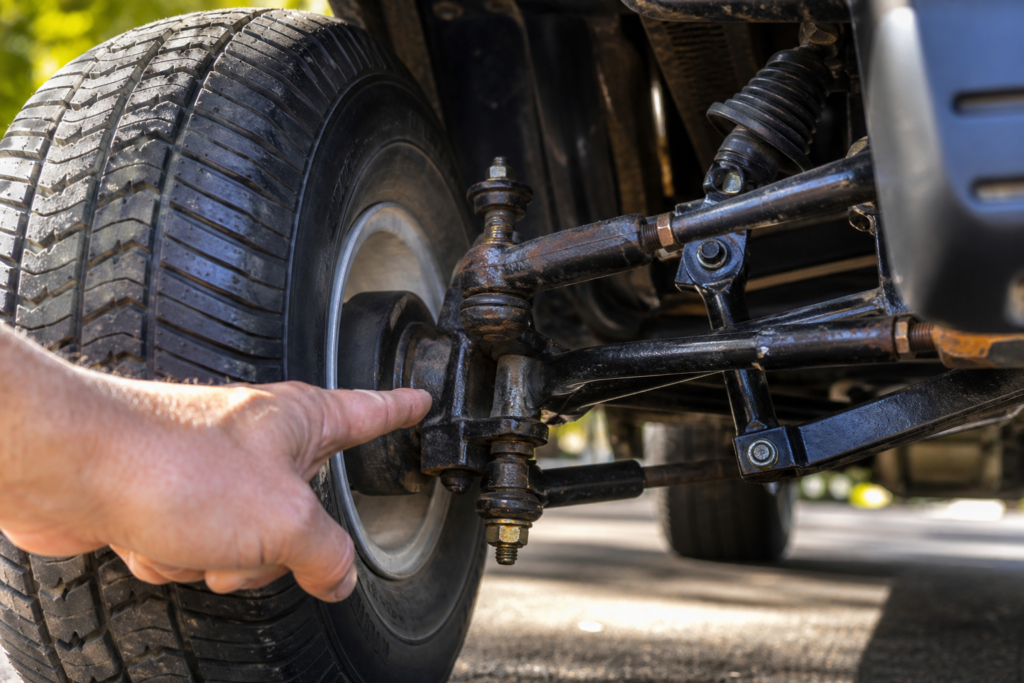
5 Critical Golf Cart Steering Problems can significantly impact your driving experience and safety. Understanding these common issues and knowing how to address them is essential for any golf cart owner. From loose handling to stiff turns, steering problems can quickly turn a leisurely ride into a frustrating, or even dangerous, situation. This comprehensive guide will delve into the most prevalent steering challenges, offering ultimate fixes and expert insights to help you diagnose, repair, and prevent these issues, ensuring your golf cart remains a reliable and enjoyable mode of transport.
Key Takeaways
- Identify the 5 Critical Golf Cart Steering Problems that commonly affect golf carts, ranging from loose steering to stiff handling.
- Learn practical diagnostic methods to pinpoint the exact cause of your golf cart’s steering issues.
- Discover effective, ultimate fixes for each of the 5 Critical Golf Cart Steering Problems, including DIY tips and when to seek professional help.
- Understand the importance of regular maintenance and proper component selection to prevent future steering complications.
Understanding 5 Critical Golf Cart Steering Problems: The Basics
Steering issues in a golf cart can manifest in various ways, each pointing to different underlying causes. Recognizing the early signs of 5 Critical Golf Cart Steering Problems is crucial for timely intervention and preventing more severe damage or safety hazards. A well-maintained steering system ensures a smooth, controlled, and enjoyable ride.
What Causes Loose Golf Cart Steering?
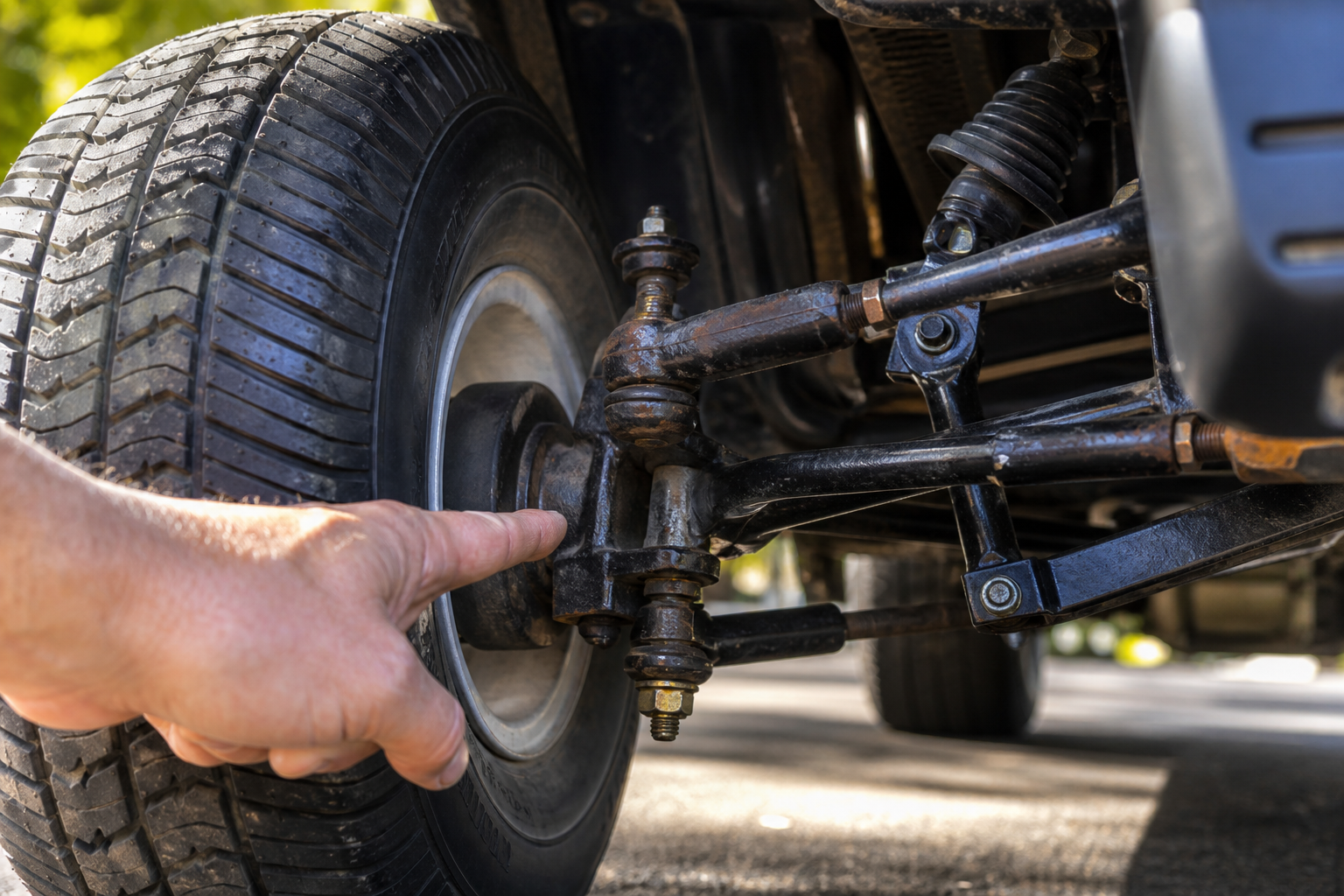
Loose steering is one of the most common of the 5 Critical Golf Cart Steering Problems. It often feels like there’s excessive play in the steering wheel before the wheels respond. This can be attributed to several worn components, including tie rod ends, ball joints, kingpins, or a damaged steering rack. Over time, these parts can develop play, leading to a less responsive and potentially dangerous steering experience.
Diagnosing 5 Critical Golf Cart Steering Problems
To effectively diagnose any of the 5 Critical Golf Cart Steering Problems, a systematic approach is necessary. Start by safely jacking up the front of your golf cart, ensuring it’s stable. Then, grasp each front wheel at the 3 and 9 o’clock positions and attempt to wiggle it side-to-side. Repeat this at the 12 and 6 o’clock positions. Any significant play indicates wear in tie rod ends, ball joints, or wheel bearings. Visually inspect all steering components for bends, cracks, or excessive rust.
Why Your Golf Cart Steering is Stiff
Stiff steering, another of the 5 Critical Golf Cart Steering Problems, makes turning difficult and requires more effort than usual. This issue often stems from a lack of lubrication in steering components, such as the steering shaft or kingpins. Corrosion, a seizing steering rack, or even overtightened components can also contribute to stiffness. Sometimes, incorrect tire pressure can also make the steering feel unusually heavy.
Common Signs of Worn Golf Cart Steering Components
Identifying the symptoms of worn steering components early can save you from bigger headaches. Look out for excessive play or looseness in the steering wheel, a noticeable clunking or popping noise when turning, and uneven tire wear. Difficulty maintaining a straight line, or the cart consistently pulling to one side, are also strong indicators of 5 Critical Golf Cart Steering Problems that need attention.
Deep Dive into 5 Critical Golf Cart Steering Problems and Their Ultimate Fixes
Addressing 5 Critical Golf Cart Steering Problems requires understanding the specific issue and applying the correct repair. Here, we break down each common problem and offer actionable solutions.
Problem 1: Loose or Wobbly Steering (The Ultimate Fix)
If your golf cart has loose or wobbly steering, the primary culprits are usually worn tie rod ends, ball joints, or kingpins. The ultimate fix involves inspecting and replacing these components. Jack up the front, check for play, and replace any parts with excessive movement. Ensure all new components are properly tightened to manufacturer specifications to eliminate the slack.
Problem 2: Stiff or Hard-to-Turn Steering (The Ultimate Fix)
For stiff steering, the ultimate fix often begins with lubrication. Apply a high-quality grease to all zerk fittings on the steering shaft, kingpins, and other pivot points. If lubrication doesn’t resolve it, inspect the steering rack for binding or corrosion. In severe cases, the steering rack or steering box may need to be replaced. Ensure tire pressure is correct, as underinflated tires can also cause stiffness.
Problem 3: Golf Cart Pulling to One Side (The Ultimate Fix)
A golf cart pulling to one side is a common symptom of 5 Critical Golf Cart Steering Problems. The ultimate fix involves checking tire pressure first, as uneven pressure is a frequent cause. If tires are fine, inspect for bent steering components, worn ball joints, or tie rod ends on one side. An alignment issue is also a strong possibility, which may require professional adjustment. Sometimes, a dragging brake on one wheel can also cause this.
Problem 4: Clunking or Popping Noises (The Ultimate Fix)
Clunking or popping noises during turns are clear indicators of worn or damaged steering components. The ultimate fix requires a thorough inspection of all pivot points, including ball joints, tie rod ends, and the steering box. These noises often signal metal-on-metal contact due to worn bushings or excessive play. Replace any components that show signs of wear or damage to restore quiet and smooth operation.
Problem 5: Uneven Tire Wear (The Ultimate Fix)
Uneven tire wear is a tell-tale sign of underlying 5 Critical Golf Cart Steering Problems or suspension issues. The ultimate fix involves identifying the wear pattern (e.g., inner, outer, cupping) to diagnose the cause. Inner or outer wear often points to alignment problems or worn tie rod ends, while cupping can indicate worn shocks or ball joints. Correcting the steering issue and performing an alignment will resolve the tire wear and extend tire life.
Experiencing 5 Critical Golf Cart Steering Problems? Trust Phoenix Golf Car!
At Phoenix Golf Car, we specialize in expert diagnostics and reliable repairs for all golf cart steering issues. Our certified technicians ensure your cart handles perfectly and safely, providing peace of mind on every ride.
Essential Components and Repairing 5 Critical Golf Cart Steering Problems
Understanding the individual components of your golf cart’s steering system is key to effectively addressing 5 Critical Golf Cart Steering Problems. Each part plays a vital role, and wear in one can impact the entire system.
Tie Rod Ends vs. Ball Joints in Golf Cart Steering
Both tie rod ends and ball joints are critical pivot points, but they serve different functions. Tie rod ends connect the steering rack to the steering knuckles, allowing the wheels to turn horizontally (left and right). Ball joints, on the other hand, connect the steering knuckles to the control arms, facilitating vertical movement and pivoting. Both are susceptible to wear and can cause 5 Critical Golf Cart Steering Problems if neglected. For a deeper understanding of steering mechanisms, you might find this SAE International paper on steering system design insightful.
Tools Needed for Golf Cart Steering Repair
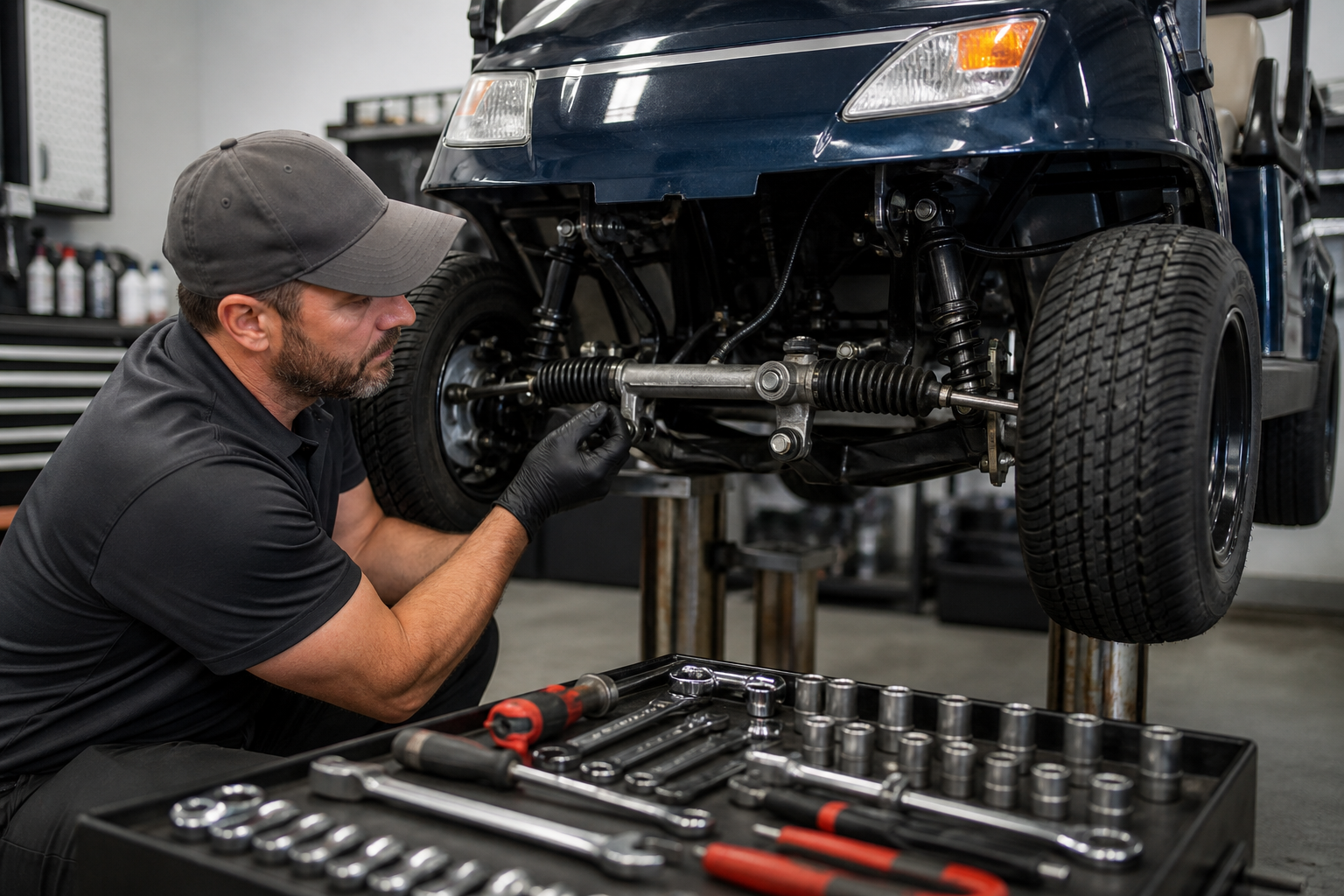
For most DIY golf cart steering repairs, you’ll need a basic set of tools. This includes a floor jack and jack stands for safety, a wrench set (metric and/or standard depending on your cart), a socket set, pliers, a hammer, and a torque wrench. For specific tasks like removing stubborn tie rod ends, a tie rod puller or pickle fork can be invaluable. Having the right tools makes tackling 5 Critical Golf Cart Steering Problems much easier.
Can You Replace Golf Cart Steering Parts Yourself?
Many golf cart owners with basic mechanical skills can replace common steering parts like tie rod ends and ball joints. These repairs often involve straightforward removal and installation steps. However, more complex issues, such as replacing a steering rack and pinion assembly, might require specialized tools and expertise to ensure proper alignment and safety. Incorrect repairs can worsen 5 Critical Golf Cart Steering Problems, so assess your comfort level and knowledge before attempting advanced fixes. For reliable parts and service, consider visiting a trusted local dealer like Phoenix Golf Car.
Maintaining Your Golf Cart to Prevent 5 Critical Golf Cart Steering Problems
Proactive maintenance is the best defense against developing 5 Critical Golf Cart Steering Problems. Regular inspections and timely replacements can extend the life of your steering system and ensure consistent performance.
How Often to Inspect Golf Cart Steering
Golf cart steering should be inspected at least once a year as part of routine maintenance. If your cart sees heavy use, off-road conditions, or if you notice any changes in handling, more frequent checks are advisable. Regular lubrication of moving parts is also crucial. This proactive approach helps catch potential 5 Critical Golf Cart Steering Problems before they escalate into major repairs.
Where to Buy Replacement Golf Cart Steering Parts
Replacement golf cart steering parts are readily available from various sources. You can find them at authorized golf cart dealerships, online retailers specializing in golf cart parts, and some automotive supply stores. When purchasing, always ensure the parts are compatible with your specific golf cart make and model. Opting for quality parts can prevent a recurrence of 5 Critical Golf Cart Steering Problems.
Best Brands for Golf Cart Steering Rack and Pinion Assemblies
When it comes to critical components like steering rack and pinion assemblies, investing in reputable brands is wise. Brands like OEM (Original Equipment Manufacturer) parts from Club Car, EZ-GO, or Yamaha are always a safe bet. Aftermarket brands such as Red Hawk, Jakes, or MadJax also offer quality steering components. Researching reviews and ensuring compatibility will help you choose the best option to avoid future 5 Critical Golf Cart Steering Problems.
Safety and Professional Help for 5 Critical Golf Cart Steering Problems
Prioritizing safety is paramount when dealing with 5 Critical Golf Cart Steering Problems. Knowing when to seek professional assistance can prevent accidents and ensure your golf cart is safely operational.
Is it Safe to Drive a Golf Cart with a Steering Issue?
No, it is generally not safe to drive a golf cart with a steering issue. Steering problems can severely compromise your ability to control the vehicle, significantly increasing the risk of accidents. Even minor issues can worsen rapidly, leading to a complete loss of steering. It is crucial to address any of the 5 Critical Golf Cart Steering Problems promptly and avoid driving the cart until repairs are complete.
How Much Does It Cost to Fix Golf Cart Steering?
The cost to fix golf cart steering varies widely depending on the specific problem and the parts required. Simple repairs like replacing a tie rod end might cost $50-$150 for parts and labor, while a full steering rack replacement could range from $300-$800 or more. Labor rates also vary by location and shop. Getting a diagnostic from a professional can provide an accurate estimate for addressing your 5 Critical Golf Cart Steering Problems.
Who Can Repair Golf Cart Steering in Your Area?
If you’re facing complex 5 Critical Golf Cart Steering Problems or prefer professional assistance, look for specialized golf cart repair shops, authorized dealerships for your cart’s brand, or reputable small engine repair services in your area. Many automotive repair shops also have technicians capable of working on golf cart steering systems. Always check reviews and ask for certifications to ensure you’re getting quality service.
Conclusion: Conquering 5 Critical Golf Cart Steering Problems for a Safer Ride
Addressing 5 Critical Golf Cart Steering Problems is not just about comfort; it’s fundamentally about safety. From loose steering to stiff handling, each issue presents a unique challenge that, if left unaddressed, can lead to dangerous situations. By understanding the common causes, learning effective diagnostic techniques, and knowing the ultimate fixes, you empower yourself to maintain your golf cart’s steering system effectively. Regular inspections, timely repairs, and recognizing when to call in the professionals are your best strategies for ensuring a smooth, safe, and enjoyable ride every time. Don’t let 5 Critical Golf Cart Steering Problems detract from your golf cart experience; take action and drive with confidence.
What causes a golf cart to have loose steering?
Loose steering in a golf cart is often caused by worn tie rod ends, ball joints, kingpins, or a damaged steering rack. Excess play in any of these components can lead to a less responsive feel and indicates one of the 5 Critical Golf Cart Steering Problems.
How do I diagnose a golf cart steering problem?
To diagnose a steering problem, jack up the front of the golf cart, then check for play by wiggling the wheels side-to-side and up-and-down. Visually inspect all steering components for rust, bends, or excessive wear, paying close attention to tie rod ends, ball joints, and the steering box. Identifying the source of 5 Critical Golf Cart Steering Problems early is key.
Why is my golf cart steering stiff?
Stiff golf cart steering typically results from lack of lubrication in steering components, corrosion in the steering shaft or kingpins, or a seizing steering rack. Sometimes, overtightened components or incorrect tire pressure can also contribute to these 5 Critical Golf Cart Steering Problems.
What are the common signs of worn golf cart steering components?
Common signs include excessive play or looseness in the steering wheel, a clunking or popping noise when turning, uneven tire wear, difficulty maintaining a straight line, and the cart pulling to one side. These are all indicators of 5 Critical Golf Cart Steering Problems.
Is it safe to drive a golf cart with a steering issue?
No, it is generally not safe to drive a golf cart with a steering issue. Steering problems can severely compromise control, increasing the risk of accidents. It’s crucial to address any of the 5 Critical Golf Cart Steering Problems promptly with professional repair.
What is the difference between tie rod ends and ball joints in golf cart steering?
Tie rod ends connect the steering rack to the steering knuckles, allowing the wheels to turn left and right. Ball joints connect the steering knuckles to the control arms, allowing for up-and-down movement and pivoting. Both are critical pivot points in the steering system that can cause 5 Critical Golf Cart Steering Problems if worn.
How often should golf cart steering be inspected?
Golf cart steering should be inspected at least once a year as part of routine maintenance, or more frequently if the cart is used heavily, off-road, or if any steering anomalies are noticed. Regular checks help prevent 5 Critical Golf Cart Steering Problems from escalating and ensure optimal safety.
Can I replace golf cart steering parts myself?
While some basic steering part replacements can be done by a DIY enthusiast with mechanical skills and the right tools, complex issues or rack and pinion replacements might be better handled by professional technicians to ensure proper alignment and safety. Incorrect repairs can worsen 5 Critical Golf Cart Steering Problems.
Why does my golf cart pull to one side when driving?
A golf cart pulling to one side often indicates an alignment issue, uneven tire pressure, worn suspension components, a bent steering component, or a brake problem. Checking tire pressure and inspecting tie rods and ball joints are good first steps to resolve this common symptom of 5 Critical Golf Cart Steering Problems.