12 Powerful Golf Cart Maintenance Tips to Guarantee Peak Performance in 2026
These 12 Powerful Golf Cart Maintenance Tips t are your ultimate roadmap to ensuring your golf cart—whether electric or gas—operates at peak performance throughout 2026. Neglecting simple upkeep can lead to costly repairs and unexpected downtime, but with this guide, you can proactively protect your investment and enjoy a flawless ride every time.
Mastering the 12 Powerful Golf Cart Maintenance Tips t for 2026
As golf cart technology advances in 2026, from advanced lithium batteries to smarter onboard diagnostics, the fundamentals of maintenance remain more critical than ever. This guide provides a comprehensive checklist covering every aspect of your vehicle. Following these steps will not only extend the life of your cart but also enhance its safety, reliability, and resale value. Let’s dive into the essential practices that define expert-level care.
Tip 1: Battery Health is Non-Negotiable
For electric carts, the battery bank is the heart of the machine. Proper care is the most crucial of our 12 Powerful Golf Cart Maintenance Tips t. For traditional lead-acid batteries, this means a strict monthly watering schedule. It is mandatory to use only distilled water, as tap water contains minerals that cause sulfation and permanently damage the battery plates. Never overfill; the water level should just cover the plates.
Keep terminals clean from corrosion using a wire brush and a mixture of baking soda and water. For long-term durability, brands like Trojan and U.S. Battery remain top-tier choices in 2026. If you’re considering an upgrade, value-for-money lithium battery options from brands like RELiON offer a maintenance-free, long-lasting, and powerful alternative.
Tip 2: Perfect Tire Pressure and Inspection
Often overlooked, your tires are your cart’s only connection to the ground. Proper inflation is key to performance, efficiency, and safety. Use a reliable tire pressure gauge to check the PSI monthly. Most golf cart tires require a pressure between 18 and 22 PSI, but always confirm the specific recommendation printed on the tire’s sidewall. Underinflated tires drain battery life faster and cause uneven wear, while overinflation leads to a harsh ride and reduced traction.
Tip 3: Brake System Integrity Checks
Your cart’s ability to stop is just as important as its ability to go. Regularly inspect your brake system. For carts with drum brakes, listen for any grinding noises that could indicate worn-out pads. Finding affordable Club Car or EZGO brake pads is easy online through various parts suppliers. Check the brake cables for proper tension and ensure there are no signs of fraying or rust. If you have hydraulic brakes, check the fluid reservoir and look for any leaks in the lines.
Need Professional Golf Cart Maintenance?
Don’t have the time or tools for DIY maintenance? Let the experts at Phoenix Golf Car in Pompano Beach handle it for you! Our technicians ensure your cart runs safely and reliably. Schedule your service today!
Book Your Maintenance Appointment NowAdvanced Drivetrain & Electrical: The Next Level of Care
Beyond the basics, a few advanced checks can prevent major headaches down the road. These steps ensure the core electrical and mechanical systems are functioning in harmony, providing the smooth and reliable power you expect. This is where many DIY owners can truly elevate their maintenance game.
Tip 4: Identify Solenoid Replacement Signs
The solenoid is a critical relay that sends power from the batteries to the motor. A common sign of failure is hearing a ‘click’ when you press the accelerator, but the cart doesn’t move. This indicates the solenoid is trying to engage but failing to complete the circuit. Other symptoms include intermittent power or a complete failure to start. Recognizing these signs early can prevent you from being stranded.
Tip 5: Keep the Motor and Controller Clean
The motor and controller generate significant heat. Keeping them free of dirt, grass clippings, and debris is vital for proper heat dissipation. A buildup of grime can act as an insulator, trapping heat and potentially causing these expensive components to fail prematurely. A quick monthly blast with an air compressor or a gentle wipe-down can make a huge difference.
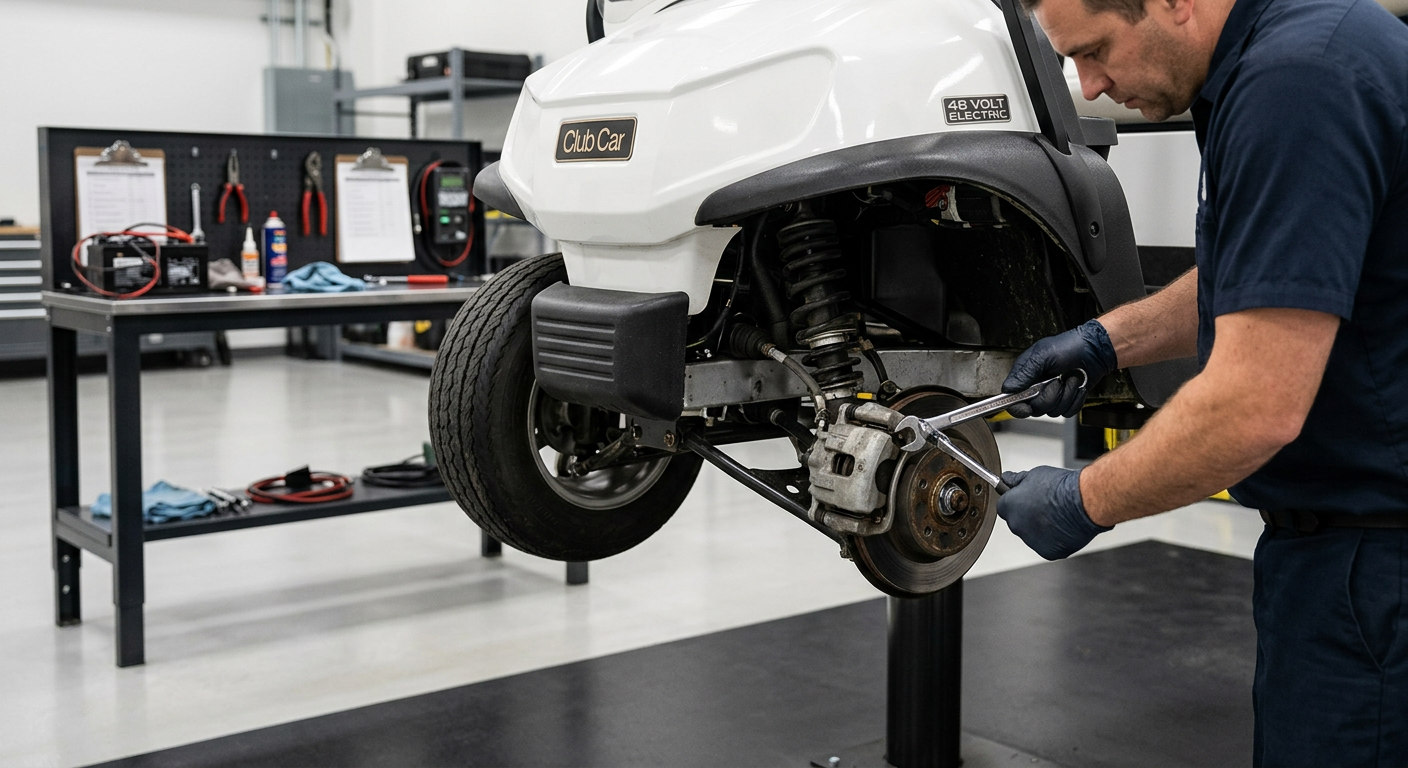
Figure 1: A well-organized toolkit is essential for effective DIY golf cart maintenance.
Tip 6: Steering and Suspension Lubrication
A smooth ride depends on a well-lubricated chassis. Your cart’s suspension and steering components have grease fittings (zerks) at key pivot points. Use a grease gun to apply automotive chassis grease to these fittings every six months. This simple task prevents premature wear on bushings and ensures responsive, quiet steering.
Gas Cart Specifics: Engine Tune-Up Essentials
While electric carts dominate many communities, gas-powered models are workhorses that require their own specific maintenance routine. These tips focus on keeping the internal combustion engine running cleanly and efficiently, ensuring reliable starts and consistent power. These are a key part of our 12 Powerful Golf Cart Maintenance Tips t for gas cart owners.
Tip 7: Regular Oil and Filter Changes
Just like a car, your gas golf cart needs regular oil changes. Follow the manufacturer’s recommended interval, which is typically annually or every 100-125 hours of use. Changing the oil and filter removes contaminants that can damage internal engine components, ensuring a longer life for your motor.
Tip 8: Winterizing and Fuel System Care
If you store your gas cart for the winter or any extended period, proper winterizing is crucial. Fill the fuel tank and add a quality fuel stabilizer to prevent the gasoline from degrading and gumming up the carburetor. Run the engine for a few minutes to circulate the stabilized fuel through the system. This simple step prevents frustrating starting issues in the spring.
Tip 9: Spark Plug and Air Filter Replacement
A clean air filter and a fresh spark plug are essential for efficient combustion. The air filter prevents dust and debris from entering the engine, while the spark plug provides the spark needed for ignition. These are inexpensive parts that can be easily replaced annually as part of a complete tune-up, which you can often buy in kits online from specialized retailers.
2026 Golf Cart Maintenance Schedule
| Frequency | Task (Electric Cart) | Task (Gas Cart) |
|---|---|---|
| Monthly | Check battery water (distilled only), inspect tire pressure, clean battery terminals. | Check oil level, inspect tire pressure, check air filter. |
| Quarterly | Inspect brake cables, check for loose wiring, test all lights. | Check spark plug, inspect drive and starter belts, test brakes. |
| Annually | Full battery load test, lubricate chassis, inspect suspension and steering. | Change oil and filter, replace spark plug and air/fuel filters, lubricate chassis. |
Troubleshooting and Upgrades for Peak 2026 Performance
Even with perfect maintenance, issues can arise. Knowing how to troubleshoot common problems and when to invest in strategic upgrades is the final piece of the puzzle. These last tips will help you diagnose issues and make smart decisions about your cart’s future.
Tip 10: Solving Uphill Power Loss
One of the most common complaints from electric cart owners is a loss of power when going uphill. This is almost always related to the battery system. It could be due to old batteries unable to deliver sufficient amperage, a loose or corroded cable connection preventing full power flow, or low water levels. Start by cleaning and tightening all battery connections. If the problem persists, a professional load test is needed to identify weak batteries in the pack.
Deep Dive: Official Manufacturer Guides
Explore the official maintenance resources from a leading brand for detailed specifications.
Tip 11: Finding Reliable Service and Annual Plans
While DIY maintenance is rewarding, sometimes you need a professional. Locating mobile repair services in your area can be a lifesaver. Furthermore, purchasing a discounted annual maintenance plan from a reputable dealer like Phoenix Golf Car in Pompano Beach can offer peace of mind and save you money in the long run. These plans ensure an expert inspects your cart thoroughly every year, catching potential issues before they become major problems.
Tip 12: The Smart Lithium Upgrade
For those with lead-acid batteries, the single best upgrade for 2026 is converting to lithium. While the upfront cost is higher, the long-term value is undeniable. Lithium batteries last 3-5 times longer, require zero maintenance (no watering!), weigh significantly less (improving performance), and charge much faster. This is more than a replacement; it’s a performance transformation for your cart and a core consideration for modernizing your vehicle.
Conclusion: Your Commitment to Excellence
By consistently applying these 12 Powerful Golf Cart Maintenance Tips t, you are not just performing upkeep; you are investing in the longevity, safety, and performance of your golf cart. A well-maintained cart is a reliable cart. Set reminders, build your toolkit, and don’t hesitate to seek professional help when needed. Here’s to a year of flawless performance in 2026!
Frequently Asked Maintenance Questions
How often should you perform routine maintenance on a golf cart?
For optimal performance and longevity, routine golf cart maintenance should be performed monthly, with a more thorough annual service. Monthly checks should include inspecting tire pressure, cleaning battery terminals, and checking water levels in lead-acid batteries. Annually, you should inspect brakes, steering, suspension, and electrical connections. At Phoenix Golf Car in Pompano Beach, we recommend our annual maintenance plan to ensure your vehicle runs perfectly all year long.
Why should I use distilled water instead of tap water in batteries?
You must use distilled water because tap water contains minerals and impurities that can coat the lead plates inside the battery. This process, called sulfation, permanently reduces the battery’s capacity to hold a charge and drastically shortens its lifespan. Distilled water is pure H2O, ensuring a clean chemical reaction and maximizing both the performance and durability of your electric golf cart batteries.
What are the signs that a golf cart solenoid needs replacement?
The most common sign of a failing solenoid is a ‘clicking’ sound when you press the accelerator, but the cart doesn’t move. Other symptoms include the cart running intermittently, not starting at all (with no click), or getting stuck in the ‘on’ position, where it won’t turn off. These issues indicate the solenoid is failing to properly complete the electrical circuit to the motor.
How do I check and adjust the tire pressure on my golf cart?
To check your golf cart’s tire pressure, use a standard tire pressure gauge. Unscrew the valve stem cap, press the gauge firmly onto the stem, and read the PSI. Most standard golf cart tires require a pressure between 18 and 22 PSI, but you should always check the recommendation printed on the tire’s sidewall. Adjust the pressure using an air compressor, adding or releasing air as needed to match the manufacturer’s specification.
Why is my electric golf cart losing power when going uphill?
Loss of power on an incline is typically related to the battery system. It could be due to old or failing batteries that can no longer deliver sufficient amperage under load, loose or corroded battery cables preventing full power flow, or an incorrect battery water level. In some cases, it could also be a problem with the motor or controller. We recommend a full diagnostic test to pinpoint the exact cause.